Cast Iron vs Carbon Steel: Which Is Better?
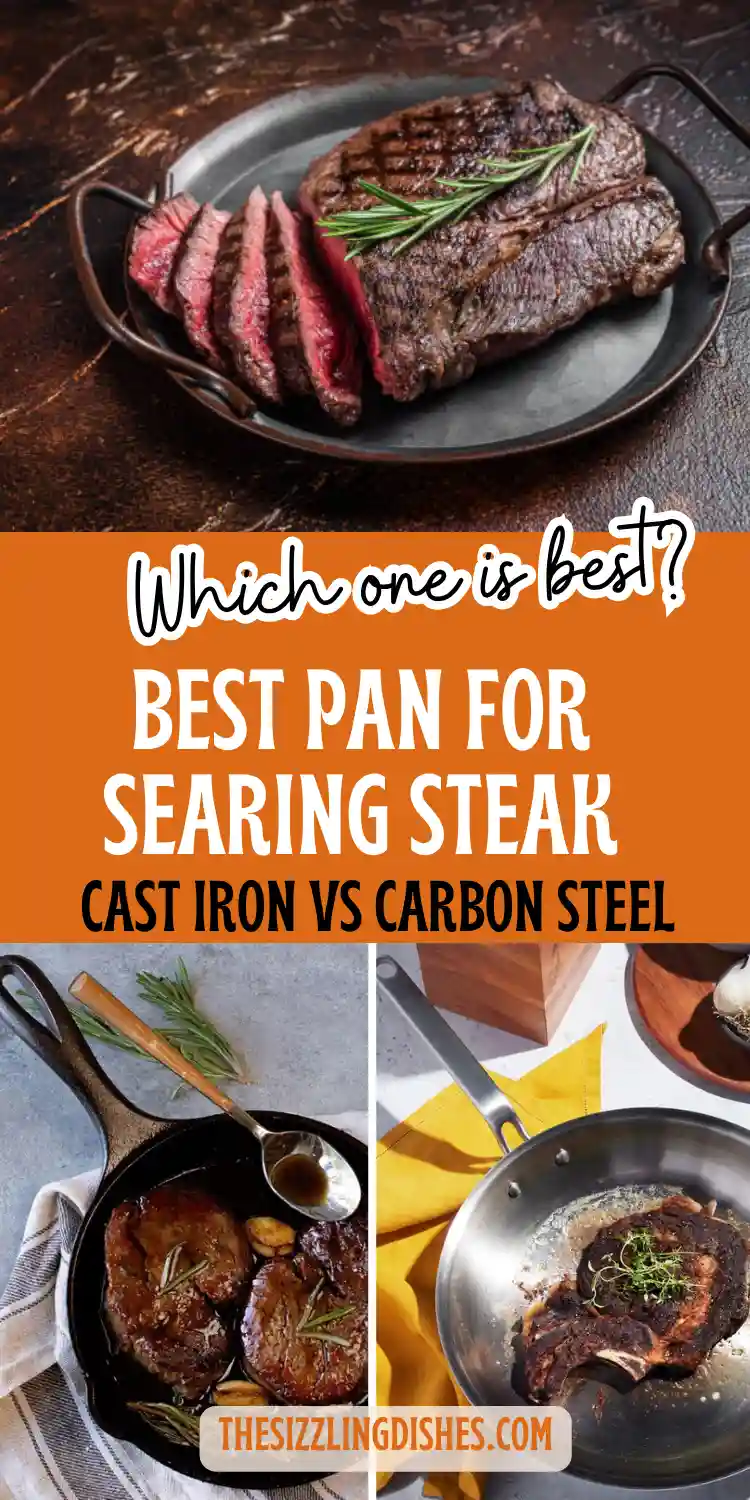
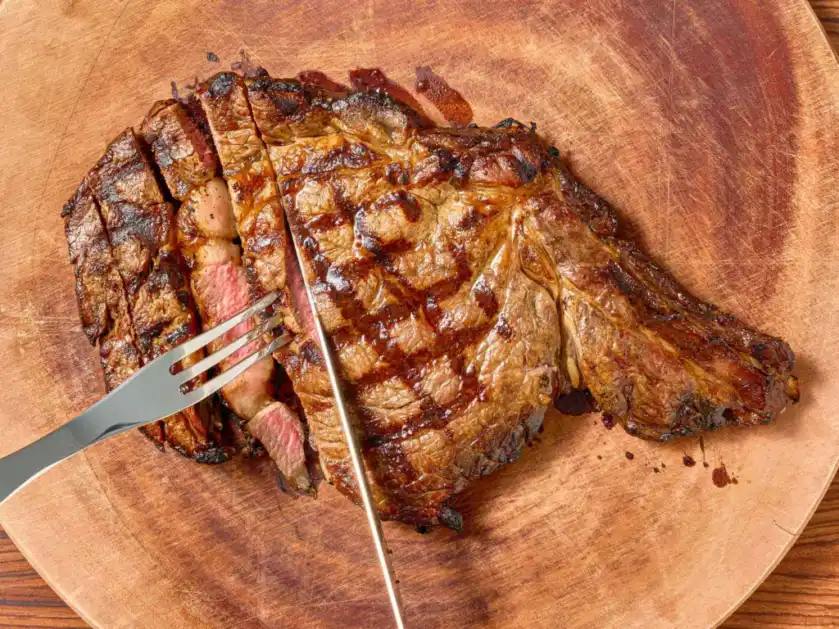
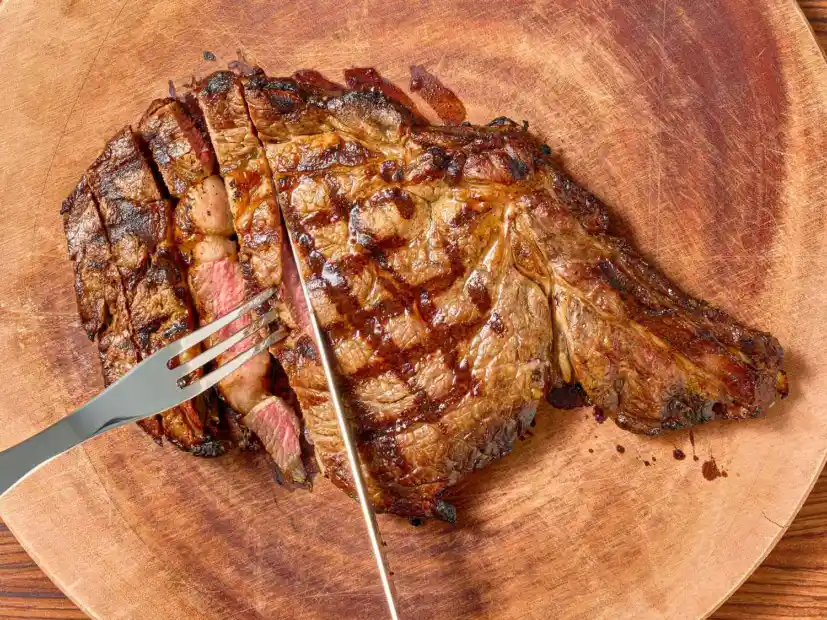
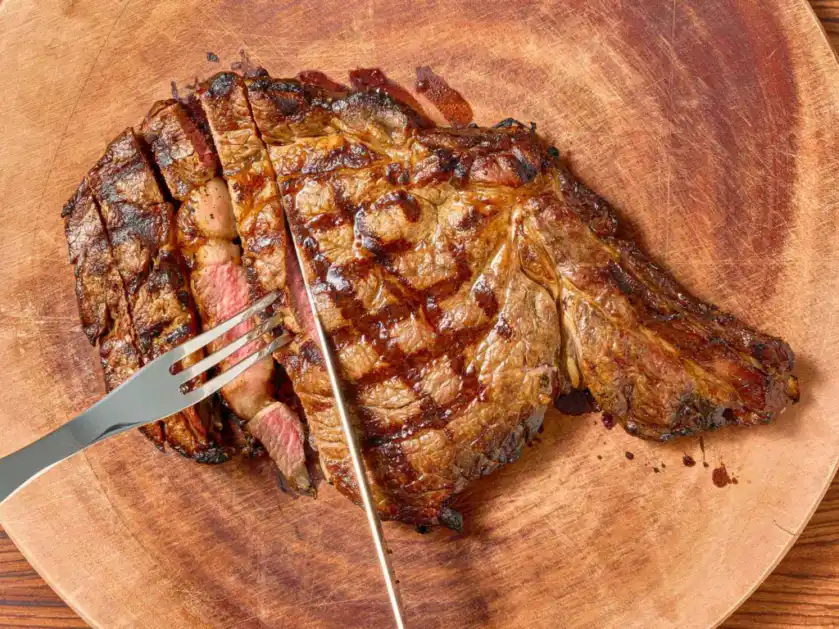
The sizzle is loud. The kitchen fills with the smell of browned butter, crisping fat, and seared beef. You press the steak down gently and hear that satisfying hiss. Later, you’ll slice into it and see the deep, mahogany crust you’ve been chasing for years.
But which pan did you reach for? The hefty, familiar cast iron skillet your grandmother used? Or the sleek, professional carbon steel pan you see in restaurant kitchens?
The debate of cast iron vs carbon steel is a common one in the kitchen. Both pans have passionate fans who swear their choice is the best pan for searing steak. Both are built from simple metal. Both can last a lifetime. So which one deserves a spot on your stove?
After years of testing both pans side by side in a home kitchen, comparing heat transfer, seasoning, and cleanup, I’ve broken down the real, practical differences. You’ll learn what each pan does best, where each one struggles, and which one fits your cooking style. By the end, you’ll know exactly which pan to buy.
Why You’ll Love This Guide
- Quick, clear comparison: No more endless scrolling. Get the facts you need in one place.
- Understand the “why,” not just the “what”: Learn the basic science of why these pans sear so well, so you can become a better cook.
- Make a confident investment: Know which pan is best for your specific needs, budget, and storage space.
- Troubleshooting and maintenance made easy: Demystify seasoning and cleaning for both pans.
The Contenders: A Quick Overview
What Is Cast Iron?
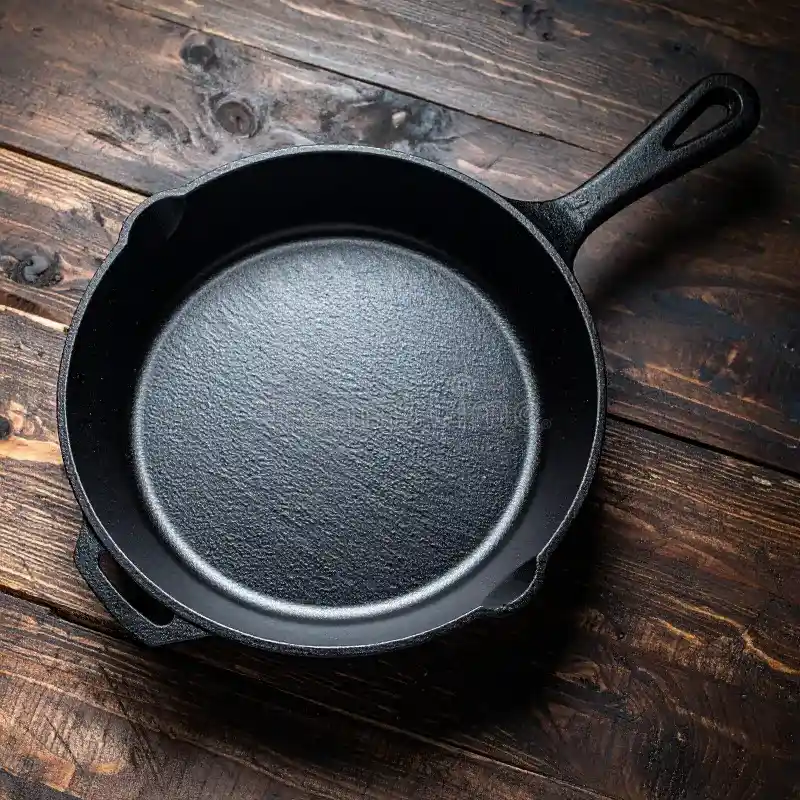
Cast iron is made by pouring molten iron into a sand mold. That’s why it has a slightly rough, pebbled texture. It’s heavy. Really heavy. A 10 inch skillet can weigh over 5 pounds. But that mass is its superpower. Cast iron holds heat like nothing else. It’s also affordable and nearly indestructible. You can find 100 year old cast iron pans at flea markets that still cook beautifully.
What Is Carbon Steel?
Carbon steel starts as a flat sheet of steel that gets stamped or spun into shape. The surface is smooth, more like stainless steel. It’s lighter than cast iron. A similar 10 inch pan weighs around 3 to 4 pounds. Carbon steel is what many professional chefs use in restaurant kitchens. It combines the heat retention of cast iron with the lighter weight and smoother surface of a traditional skillet.
Now, let’s see how those properties stack up head to head.
Head-to-Head: Key Factors Compared
Searing Performance and Heat Retention
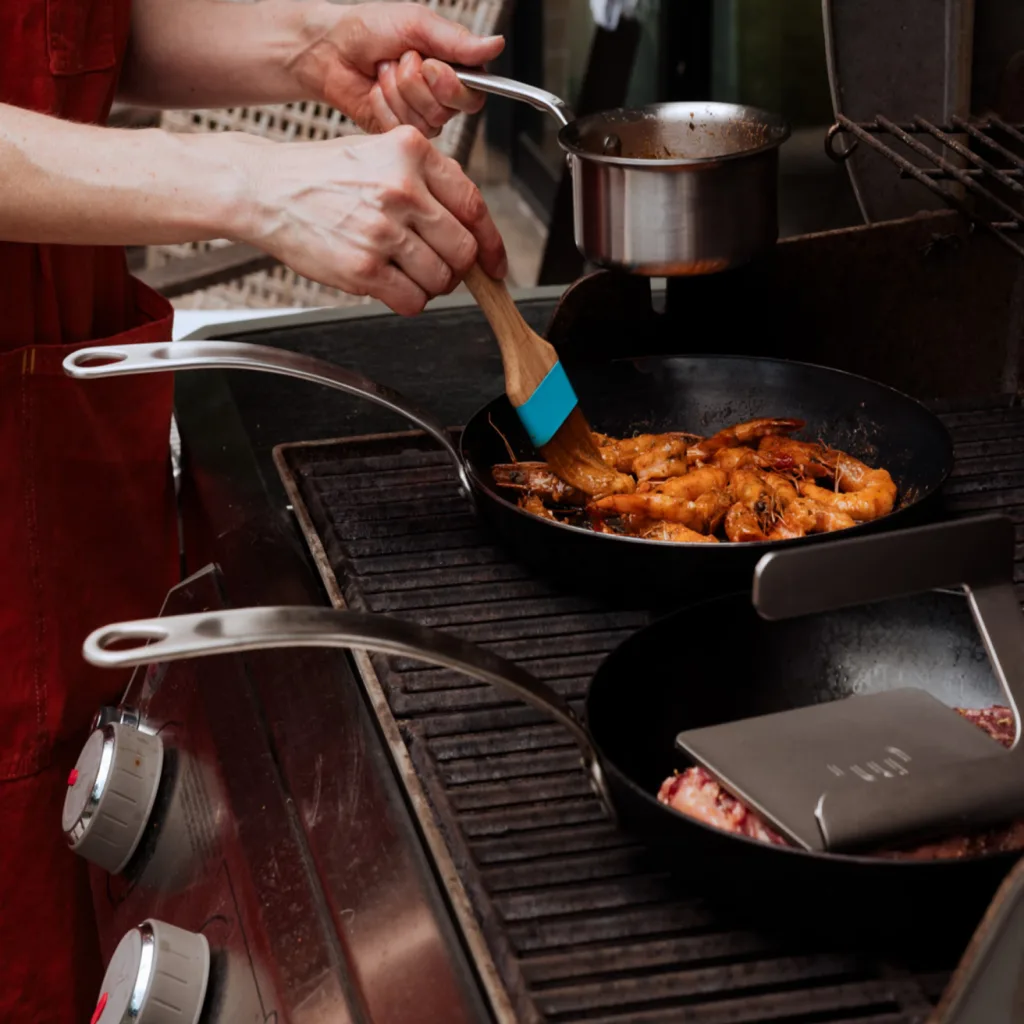
When it comes to heat, both pans are champions. They sear well because they have high thermal mass. That means they can absorb a lot of heat and hold onto it when you drop a cold steak in the pan. That heat is what creates a deep, even crust.
Cast iron has a slight edge in raw heat retention. Its extra thickness and weight mean it simply holds more energy. Once it’s hot, it stays hot. This makes cast iron forgiving for a long sear. If you’re cooking a thick bone-in ribeye, cast iron won’t flinch.
Carbon steel is a bit thinner and lighter. So it’s slightly more responsive. It heats up faster and cools down faster. This is helpful when you need to adjust heat quickly. If your garlic is about to burn, you can pull the pan off the heat and it actually responds.
Winner for searing: A tie. Cast iron wins for raw heat capacity. Carbon steel wins for control.
Weight and Handling
This is where carbon steel often wins outright. A 10 inch cast iron skillet can weigh 5 to 6 pounds. A similar carbon steel pan might weigh 3 to 4 pounds.
That difference matters in real life. Can you lift your pan with one hand? Can you toss vegetables without straining your wrist? Can you pour out excess fat without using both hands?
For many people, especially those with wrist or shoulder issues, cast iron is simply too heavy for daily use. Carbon steel gives you similar cooking performance in a much easier package.
Winner: Carbon steel.
Surface Texture and “Non-Stick” Potential
Here’s where the pans really differ. Cast iron typically has a rougher, pebbled surface. That’s just how it’s made. Carbon steel is smooth from the start.
Both pans need seasoning. Seasoning is a thin layer of polymerized oil that bonds to the metal. This is what creates a naturally non-stick surface. And the smooth surface of carbon steel allows for a more uniformly slick, glass-like seasoning layer.
A well-seasoned carbon steel pan is arguably slicker for things like eggs. The surface is just smoother underneath. Now, a well-used cast iron pan can get there too. Vintage cast iron that’s been used for decades often has a beautiful, smooth finish. But out of the box, carbon steel has the advantage.
Winner: Carbon steel, especially in the early months.
Maintenance and Seasoning
This is a critical decision factor. And it’s where a lot of the confusion lives.
Cast iron: The rough surface actually helps new seasoning grip. It’s very forgiving. Hard to ruin. You can scrub it, use a little soap, even accidentally leave it wet briefly and usually recover it. If the seasoning gets patchy, you just oil it and keep cooking. The carbon steel pan seasoning guide advice is similar, but the execution is slightly trickier.
Carbon steel: The smooth surface can make the initial seasoning a bit harder to get even. Oil wants to bead up instead of spreading thin. You have to use a very thin layer and wipe it off like you made a mistake. Once the seasoning is established, it’s durable. But that first week can be frustrating.
The big myth to bust: you absolutely can wash both with mild dish soap. Modern dish soap won’t strip a good seasoning. Just dry the pan thoroughly and rub on a tiny drop of oil before storing.
Winner: Cast iron for beginners. Carbon steel once you know what you’re doing.
Versatility and Use Cases
Both pans can do almost anything. But their shapes make them better at different jobs.
Cast iron: Deep skillets are great for shallow frying, like fried chicken. The high walls prevent splatter. They’re also oven proof and hold heat so well they’re perfect for baking cornbread or deep-dish pizza. You can even use them for slow cooking and braising.
Carbon steel: The lower, flared sides are perfect for sautéing and tossing vegetables. A whisk can reach every corner when you’re making a pan sauce. The shape is also ideal for French omelets, where you need to slide food out easily.
Winner: Tie. It depends what you cook most.
Cost and Longevity
Both are relatively inexpensive compared to high-end clad stainless steel or copper cookware.
Cast iron is usually cheaper. A basic Lodge skillet costs around $20 to $30. Carbon steel from a reputable brand like de Buyer or Matfer Bourgeat typically runs $50 to $80 for a similar size.
Both pans, with minimal care, will last a lifetime. You can pass either one down to your kids. That makes either choice a good investment.
Winner: Cast iron for price. Tie for longevity.
The Verdict: Which Pan Should You Choose?
Okay, so which one should you buy? Here’s the honest breakdown.
Choose Cast Iron If:
- You want the most affordable, bomb-proof pan possible.
- You plan on doing a lot of baking, frying, or slow-cooking in the pan.
- You don’t mind, or even enjoy, the heft of a traditional pan.
- You are new to seasoning and want a forgiving surface to learn on.
Choose Carbon Steel If:
- You prioritize searing and sautéing and want a lighter, more nimble pan.
- You want a smoother surface that becomes exceptionally slick.
- You’re willing to spend a bit more for professional-level performance.
- You have experience with seasoning or are willing to be patient with the initial process.
There is no wrong answer. Both are excellent. But if you cook a lot of steak, eggs, and sautéed vegetables and want one pan that does it all without breaking your wrist, carbon steel is probably your pick. If you want a versatile workhorse that can go from stovetop to oven to campfire and costs less than a pizza, cast iron is the move.
Expert Tips for the Perfect Sear
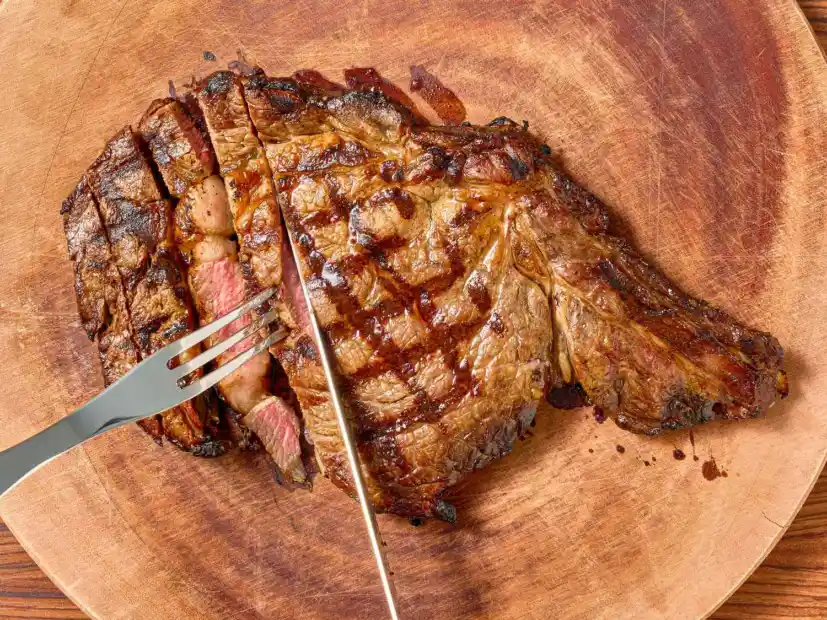
No matter which pan you choose, mastering these techniques will guarantee a flawless sear.
- Preheat low and slow. Start on low heat and gradually bring the pan up to temperature over 5 to 10 minutes. This ensures even heating and prevents warping, especially with carbon steel. The pan is ready when a drop of water dances like a bead on the surface.
- Dry your food completely. Moisture is the enemy of a sear. Use paper towels to pat your protein or vegetables completely dry before they hit the pan.
- Use the right oil. Choose an oil with a high smoke point, like avocado, canola, or grapeseed oil. Add a thin layer just before the food goes in.
- Don’t crowd the pan. Overcrowding drops the pan’s temperature, causing food to steam instead of sear. Work in batches if necessary.
- Let it release naturally. Food will stick at first. Don’t try to force it. Once a proper crust has formed, it will release from the pan on its own.
Storage and Care
Caring for these pans is simple, but a few habits help.
Storage: Make sure pans are 100% dry before storing. Place a paper towel or a pan liner between stacked pans to absorb any moisture and protect the seasoning.
Fixing minor issues: To fix a small rust spot or dull seasoning, scrub it with steel wool, dry it thoroughly, and apply a very thin layer of oil. Heat it on the stove until it smokes lightly. This re-polymerizes the oil and refreshes the surface.
What to Cook in Each Pan
This is a technique guide, so the real question is what you make with the pan.
For cast iron, try these:
- Skillet cornbread with crispy edges
- Deep-dish pizza
- Southern fried chicken
- Pan-seared pork chops with apples
For carbon steel, try these:
- Steak au poivre with a peppercorn pan sauce
- Sautéed garlic green beans
- A perfect French omelet
- Seared scallops with brown butter
The cast iron recipes lean on the pan’s heat retention and high walls. The carbon steel recipes use the pan’s responsiveness and flared sides.
The Ultimate Guide: Cast Iron vs Carbon Steel
Description: A detailed guide comparing cast iron and carbon steel pans to help you choose the best tool for searing, sautéing, and more.
Time to sear: 5 to 10 minutes
Yield: A decision on your next pan purchase
What You Need
- Cast iron pan or carbon steel pan
- High smoke-point oil, like avocado or grapeseed oil
- Steak, chops, or vegetables to sear
Instructions
- Preheat your pan on low heat for 5 to 10 minutes.
- Pat your food completely dry with paper towels.
- Add a thin layer of oil to the hot pan.
- Place food in the pan without crowding.
- Let the food cook undisturbed until it releases naturally.
- Flip and finish cooking to your desired doneness.
Choose cast iron if you want an affordable, heavy-duty pan for baking, frying, and slow cooking. Choose carbon steel if you want a lighter, more responsive pan for searing and sautéing. Both will last a lifetime with proper care.
The cast iron vs carbon steel debate doesn’t have a single winner. Both pans are exceptional tools that can create restaurant-quality sears at home. Cast iron offers unbeatable heat retention and versatility at a budget price. Carbon steel offers a lighter, more responsive cooking experience with a slicker surface.
The best pan is the one you’ll actually use. Pick the one that fits your cooking style, your budget, and your wrists. Then season it well and let it earn its place on your stove.
Now that you know the difference, which one will you choose? Tell me in the comments below. And if you found this guide helpful, save it to your Pinterest board for later.