Gochujang vs Sriracha: Which Spice Wins Dinner?
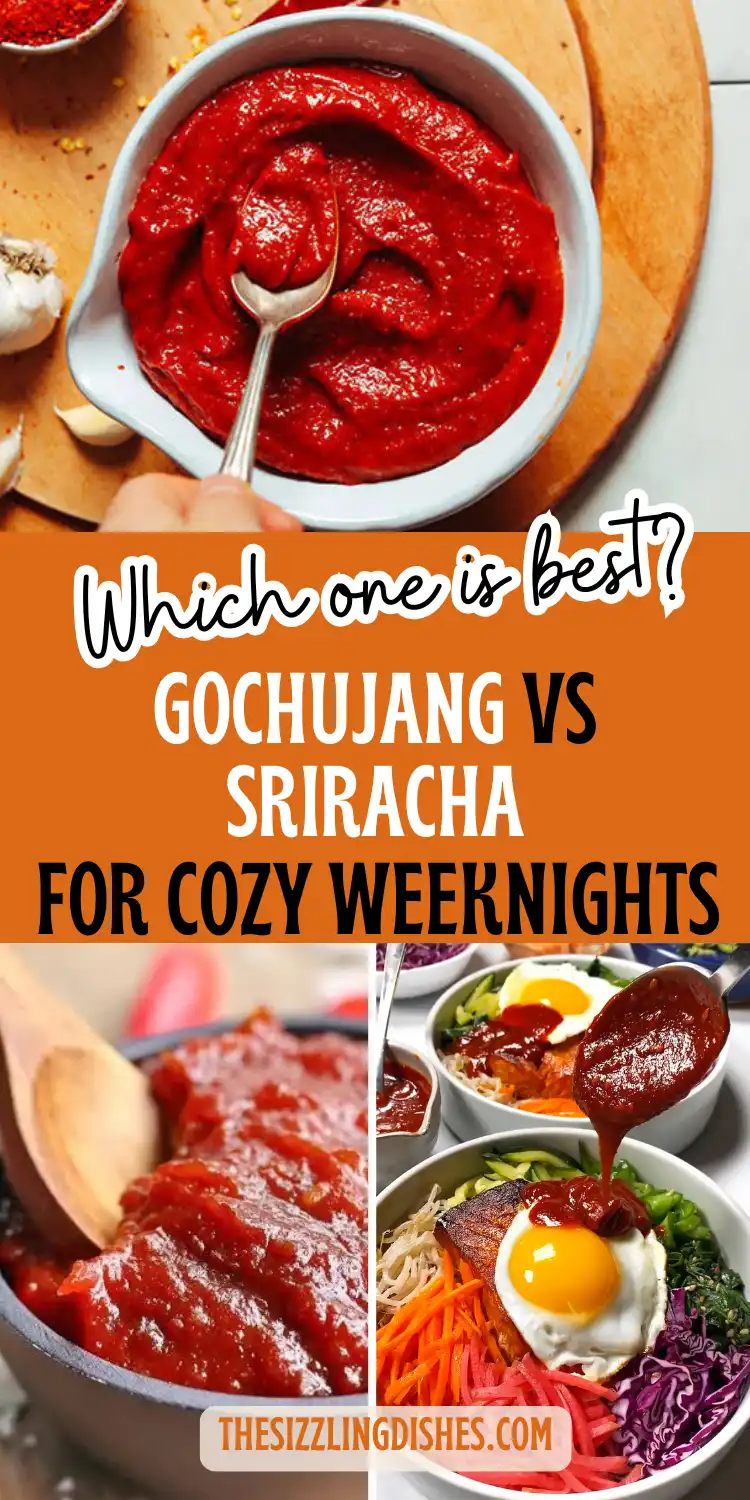
You’re staring at two red bottles in the grocery aisle, and you have no idea which one to grab. They’re both spicy, both Asian, both vaguely red. But here’s the thing—they couldn’t be more different once they hit your pan.
Most people treat gochujang and sriracha like they’re interchangeable. Then they end up disappointed when their dish tastes flat or one-dimensional. The truth? These two condiments have completely different jobs in the kitchen. One is a fermented paste that builds deep flavor from the ground up. The other is a bright, vinegary sauce that adds a quick kick at the end.
By the end of this guide, you’ll know exactly which one to reach for—and why keeping both in your fridge is the smartest move you can make.
Why You’ll Love This Guide
- No more guesswork — you’ll know exactly which sauce to grab for dinner tonight
- Level up your cooking — add depth and complexity, not just heat
- Expand your pantry — feel confident using Korean ingredients
- Quick reference — no need to read a whole cookbook
What Is Gochujang, Really?
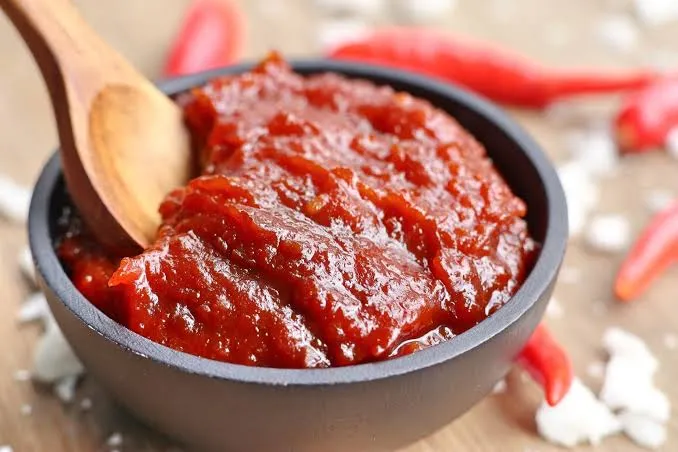
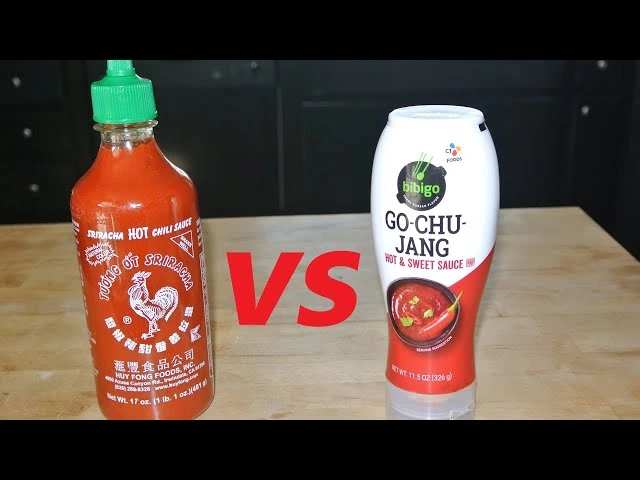
Gochujang is a Korean fermented chili paste. Notice I said paste, not sauce. It comes in a tub, not a squeeze bottle, and it’s thick enough to stick to a spoon.
The ingredients are simple but powerful: gochugaru (Korean chili powder), glutinous rice (which creates natural sweetness during fermentation), fermented soybeans (called meju, the source of that deep umami), and salt . Some versions include barley or sweet potatoes, but those four are the backbone.
Here’s what makes gochujang special: fermentation. Traditional gochujang ages for months or even years. During that time, enzymes break down starches into sugars and proteins into amino acids. That’s where the complex, savory-sweet flavor comes from . You can’t rush it. You can’t fake it.
Chef Edward Lee put it perfectly: “What makes gochujang different from sriracha or tabasco is that fermented, salty flavor, which you’re not going to get with other hot sauces. It’s like hot sauce-meets-umami flavor” .
Heat levels vary widely—from around 1,000 to over 5,000 Scoville units depending on the brand and grade . Most grocery store versions land in the medium range, but always check the label.
What Is Sriracha, Really?
Sriracha is a Thai-style hot sauce that most people know from the rooster-labeled bottle made by Huy Fong Foods. It’s thin, pourable, and bright red.
The ingredient list is short: red chili peppers (mostly jalapeños), distilled vinegar, garlic, sugar, and salt . No fermentation here. The chilies are ground fresh, mixed with the other ingredients, and bottled relatively quickly.
That vinegar and garlic give sriracha its signature sharp, tangy personality. It hits fast—about 1,000 to 2,500 Scoville units . The heat comes on strong and fades quickly.
Think of sriracha like ketchup. It’s a finishing sauce, a table condiment, something you squeeze on at the last second to brighten things up . It’s not meant to be cooked into dishes for extended periods—heat dulls that fresh garlic and chili flavor you want.
Side-by-Side Comparison Table
| Feature | Gochujang | Sriracha |
|---|---|---|
| Origin | Korea | Thailand (popularized in US) |
| Key ingredients | Gochugaru, glutinous rice, fermented soybeans | Chili peppers, vinegar, garlic, sugar |
| Texture | Thick, sticky paste | Thin, squeezable sauce |
| Heat level | 1,000–5,000+ SHU (varies by brand) | ~1,000–2,500 SHU |
| Flavor profile | Sweet, savory, deep umami, “funky” | Sharp, garlicky, tangy, bright |
| Fermented? | Yes — months to years | No |
| Best used as | Cooking ingredient, marinade base | Finishing sauce, table condiment |
| Price range (US) | $5–11 per container | $4–7 per bottle |
When to Use Each (The Decision Tree)
Use Gochujang When:
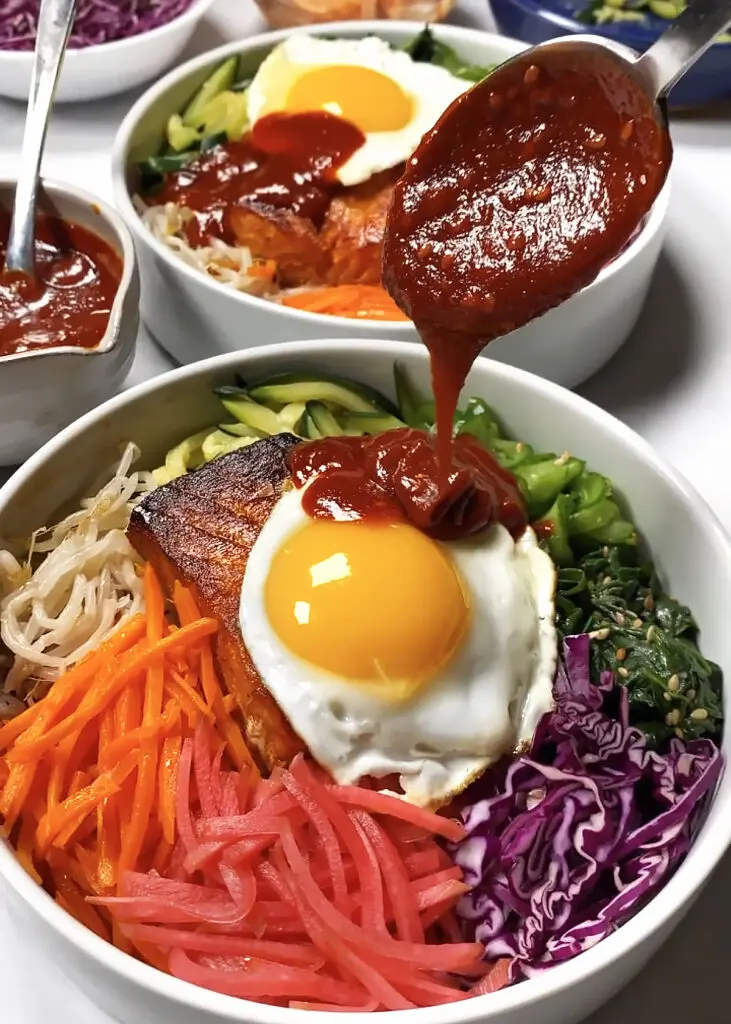
- You’re making Korean dishes—bibimbap, tteokbokki, kimchi jjigae, or Korean fried chicken
- You want to build depth and complexity—the heat should be integrated, not surface-level
- You’re marinating meat or vegetables—it clings and caramelizes beautifully
- You want a sauce to have body and thickness
Use Sriracha When:
- You need instant, bright heat right at the end of cooking
- You’re drizzling over eggs, noodles, soup, or fried foods
- You want a simple spicy mayo or dipping sauce
- You’re cooking something where vinegar tang is welcome
Can You Substitute One for the Other?
Short answer: rarely, and with major adjustments.
Gochujang to sriracha: You can thin 1 tablespoon gochujang with 1 teaspoon rice vinegar, add a pinch of garlic powder, and thin with water to the right consistency . You’ll get closer, but it won’t be the same.
Sriracha to gochujang: This is much harder. Sriracha lacks the fermented umami. Some recipes suggest mixing with miso paste (for funk) and a touch of sugar or honey . Only recommended in a culinary emergency.
The better approach? Keep both in your fridge. They’re different tools for different jobs.
How to Start Cooking with Gochujang (3 Easy Ideas)
Here are three simple ways to start using gochujang tonight:
1. Gochujang Glaze for Chicken or Salmon
Mix 2 tablespoons gochujang with 1 tablespoon soy sauce, 1 teaspoon sesame oil, and 1 teaspoon honey. Brush on during the last 5 minutes of cooking. The sugars from fermentation create a glossy, caramelized crust .
2. Gochujang Dipping Sauce
Combine 1 part gochujang with 1 part mayo, a splash of rice vinegar, and a squeeze of lime. Works on everything from fries to dumplings.
3. Gochujang Ramen
Stir a spoonful of gochujang into instant ramen broth. It transforms a basic bowl into something with real depth .
[IMAGE: gochujang-glazed salmon on a plate with sesame seeds and green onions]
Storage Tips
- Gochujang: Refrigerate after opening. To prevent drying, press plastic wrap directly onto the surface before sealing. Keeps for 12–18 months .
- Sriracha: Refrigerate after opening. Lasts 6–9 months .
Expert Tips / Common Mistakes
1. Don’t Cook Sriracha for Too Long
High heat cooks off the bright garlic and chili notes, leaving a dull heat. Always add sriracha at the end of cooking .
2. Bloom Your Gochujang
Sauté gochujang in oil with aromatics for a minute before adding liquids. This toasts the paste and intensifies the savory notes.
3. Start with Less Than You Think
Gochujang varies widely in heat from brand to brand. You can always add more, but you can’t take it out.
4. Balance the Heat
Sweetness, acidity, and fat all help tame spiciness in both sauces. If you overdo it, add a splash of cream, honey, or citrus.
FAQ
Q: Is gochujang hotter than sriracha?
A: Not usually. Most grocery store gochujang falls in a similar range or slightly lower than sriracha (around 1,000–3,000 SHU). The heat builds slower and feels less intense because fermentation sweetness and umami soften the burn .
Q: Can I eat gochujang straight?
A: You can, but it’s intensely salty and umami-forward—like eating miso paste by itself. It’s meant to be cooked with or thinned into sauces.
Q: Why does sriracha taste wrong when I use it in Korean recipes?
A: Sriracha is vinegar-based and lacks the fermented umami and mellow sweetness that gochujang provides. You get a sour, one-dimensional result instead of the deep, complex flavor Korean dishes need.
Q: Is gochujang gluten-free?
A: Not always. Many brands contain wheat or barley from the fermentation process. Check labels carefully.
Q: Where do I buy gochujang?
A: Asian grocery stores, well-stocked supermarkets (often in the international aisle), and online retailers.
Two red condiments, completely different jobs. Gochujang is the slow-and-steady ingredient that builds deep, complex flavor from the inside out—your secret weapon for marinades, stews, and glazes. Sriracha is the bright, instant pop you squeeze at the table when a dish needs an exclamation point.
Stock both. Use them for what they’re good at. Your dinners will taste better, and you’ll finally stop standing in the grocery aisle wondering which red bottle to grab.
Try a gochujang glaze this week and let me know what you think in the comments—or save this guide to Pinterest for when you’re shopping.