The Beginner’s Guide to Cooking With Chili Peppers
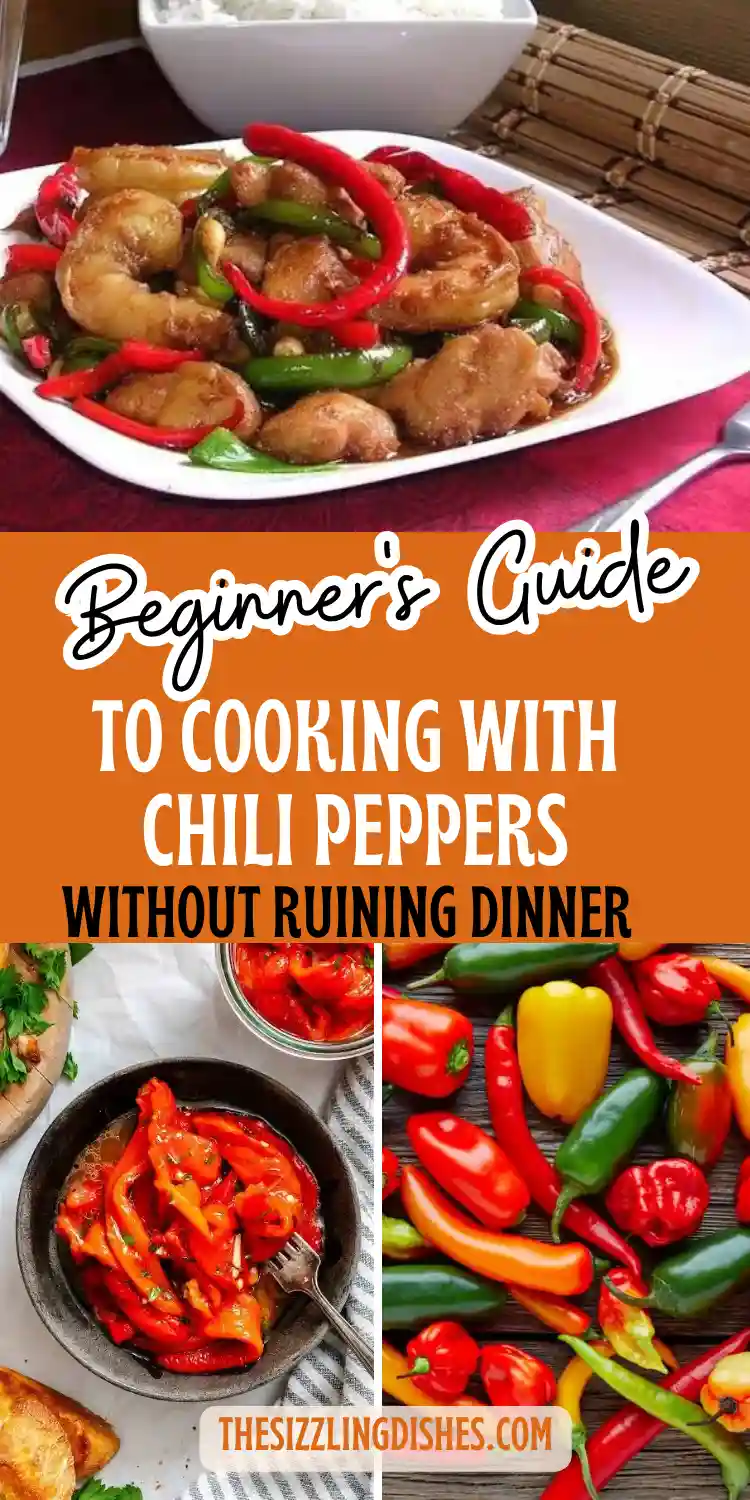
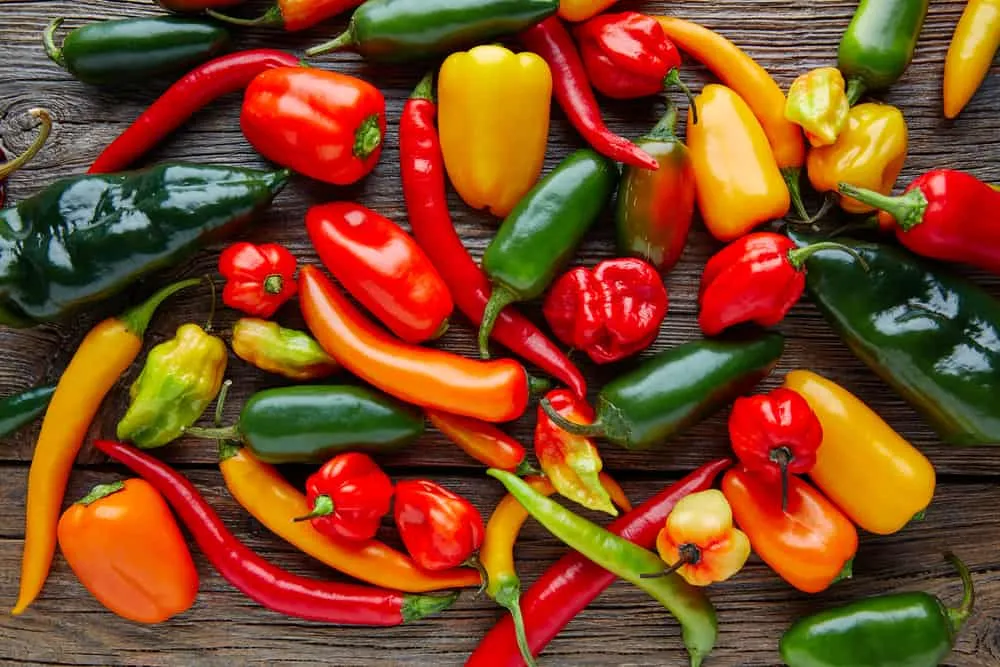
Cooking with chili peppers opens up a whole world of flavor. They add warmth, depth, and just the right amount of kick to almost any dish. But for a beginner, walking into the pepper aisle can feel overwhelming. There are so many shapes, colors, and names. Some are mild enough to eat like a snack. Others can make your eyes water just by looking at them.
This guide breaks it all down simply. It covers how to pick the right pepper for your meal, how to prep it safely, and different ways to cook with both fresh and dried chilies. By the end, cooking with chili peppers won’t feel like a mystery. It will feel like just another tool in your kitchen kit.
What Makes Chili Peppers Hot and How to Control It
The heat in chili peppers comes from a chemical compound called capsaicin . It’s mostly found in the white membrane (the pith) that holds the seeds, not in the seeds themselves . If you want less heat, remove the seeds and that pale inner rib. If you want full fire, leave everything intact.
What surprises most people is that cooking doesn’t destroy capsaicin. It actually intensifies the heat, so be careful when adding peppers to a long-simmering dish . Starting with a little and tasting as you go is always the smarter move. You can add more heat, but you can’t take it out.
Scoville Scale for Quick Reference
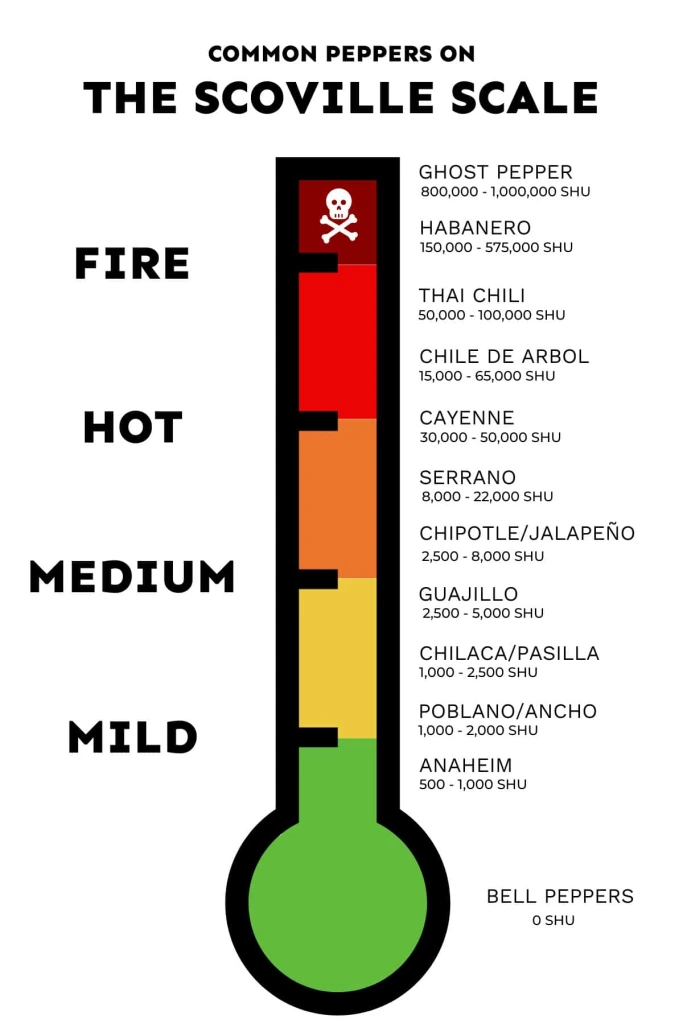
The Scoville scale measures pepper heat in Scoville Heat Units (SHU) . It helps you know what you’re getting into before you take a bite.
| Pepper Type | Heat Level (SHU) | What to Expect |
|---|---|---|
| Bell Pepper | 0 | Sweet, no heat. Great for snacking and stuffing. |
| Banana Pepper | 100 – 900 | Very mild, slightly sweet. Good for salads and sandwiches. |
| Poblano/Ancho | 1,000 – 2,500 | Mild with a rich, earthy flavor. Great for sauces. |
| Jalapeño | 2,500 – 8,000 | Medium heat. The most popular choice for everyday cooking. |
| Serrano | 10,000 – 23,000 | Hot and bright. Adds a sharp kick to salsas. |
| Cayenne | 30,000 – 50,000 | Hot. Often used dried and ground for spice blends. |
| Habanero/Scotch Bonnet | 100,000 – 350,000 | Very hot with a fruity, floral taste. Use with caution. |
| Ghost/Reaper | 1,000,000+ | Extremely hot. For chili heads only. Handle with gloves. |
Data sourced from Scoville scale references .
This scale is just a guide. The actual heat can change based on how the pepper was grown and how ripe it is . A stressed plant can produce hotter fruit. Also, different people feel heat differently.
Ingredients Needed
All you need to start is some fresh or dried chili peppers and a few tools to handle them.
Fresh Chili Peppers:
- Choose peppers that are firm, shiny, and have no soft spots or wrinkles .
- Common beginners: Jalapeño, Poblano, or Banana peppers.
Dried Chili Peppers:
- Look for pods that are pliable and not too brittle. They should smell fruity or smoky, not dusty.
- Common dried types: Ancho (dried poblano), Chipotle (smoked jalapeño), or Guajillo .
Basic Tools:
- A sharp knife
- A cutting board
- Rubber or latex gloves (optional but highly recommended for hot peppers)
- A dry skillet for toasting
Step-by-Step Instructions
Step 1: Select the Right Pepper for Your Dish
Think about what you’re making. A mild poblano is perfect for stuffing because it has a thick wall and gentle heat. A jalapeño works well in salsas where you want a noticeable kick. For a dish where you want deep, smoky flavor without a lot of heat, reach for a dried ancho chili.
The larger the pepper, the milder it tends to be. Small, thin peppers usually pack more punch because they have a higher ratio of seeds and membrane to flesh.
Step 2: Prep Fresh Peppers Safely
Rinse the pepper under cold water and pat it dry. Cut off the stem end. Slice the pepper in half lengthwise. To reduce the heat, use the tip of your knife to scrape out the white membrane and seeds. To keep the heat high, leave them in. Slice or dice the pepper as your recipe calls for .
A common mistake here is touching your eyes or face after handling hot peppers. The capsaicin will burn. Wearing gloves is the safest approach, but if you don’t have them, wash your hands thoroughly with soap and warm water immediately after .
Step 3: Toast Dried Peppers for Better Flavor
For dried peppers, toasting brings out a richer, smokier taste. Heat a dry skillet over medium heat. Place the dried peppers in the pan and press down with a spatula. Toast for about 30 seconds to 1 minute per side. The pepper should puff slightly and become fragrant. Be careful not to burn it, or it will turn bitter .
If you burn a dried chili, it will ruin the dish with a bitter, acrid flavor. Keep a close eye on it. The moment it smells amazing, it’s done.
Step 4: Rehydrate Dried Peppers for Sauces
If you want to make a sauce or paste, rehydrating is the way to go. Place the toasted and seeded dried peppers in a bowl. Cover them with boiling water and let them soak for 20 to 30 minutes. They will become soft and pliable. Drain the water (or save it for added flavor) and blend the peppers into a smooth paste .
Don’t throw away the soaking liquid. It’s full of flavor. Strain it and add a splash to your stew or soup for extra depth.
Step 5: Cook Fresh Peppers
Fresh peppers can be added to the pan at different times depending on the result you want. Adding them early with the onions lets their flavor melt into the dish. Adding them at the end keeps more of their bright, fresh heat and texture .
It’s easy to mess this up the first time because the heat can sneak up on you. Start with half the amount you think you need, taste, and add more later. You can always add more heat.
Final Dish Presentation
Chili peppers are rarely the star of a final plating. They are the supporting actor that makes everything else shine. When serving, look for a dish where the color of the chili contrasts well. Sprinkle fresh, sliced jalapeños over a creamy soup or a bowl of chili. Garnish with fresh cilantro and a squeeze of lime to brighten up the flavors.
Occasions to Serve
Chili peppers are incredibly versatile. They work for a casual taco night with friends, a cozy bowl of chili on a cold day, or even a fancy dinner party where you want to add a little unexpected depth to a sauce. They fit every occasion.
Cooking Tips
- Start small. You can always add more heat, but you cannot take it away. Start with a small amount of pepper and taste your dish as it cooks .
- Balance the burn. If a dish turns out too spicy, dairy is your friend. A dollop of sour cream, a splash of cream, or a spoonful of yogurt will help neutralize the heat .
- Wash everything. Wash your knife, cutting board, and hands thoroughly with soap and hot water after handling hot peppers to avoid accidentally touching your eyes or face later .
- Store them right. Fresh peppers last about a week in the fridge in a paper towel or perforated bag. Dried peppers keep for up to a year in a cool, dark place .
Variations
- Blend your flavors. Mix different types of peppers. Combine a smoky chipotle with a fruity habanero for a complex, layered sauce .
- Make chili oil. Heat neutral oil with dried chili flakes to create a spicy, flavorful oil for drizzling over pizza or pasta.
- Stuff them. Poblano and bell peppers are great candidates for stuffing. Fill them with rice, meat, and cheese, then bake until tender .
- Pickle them. Quick-pickled jalapeños are a fantastic topping for sandwiches and tacos.
Serving Suggestions
- With proteins. Chilies pair perfectly with chicken, beef, pork, and fish. They cut through rich meats and add flavor to lean proteins.
- In grains. Add chopped peppers to rice, quinoa, or pasta for a flavorful and colorful dish.
- As a condiment. Use fresh or pickled peppers as a topping for burgers, hot dogs, or eggs.
Storage Tips
Fresh, uncut chili peppers will keep in the refrigerator for about one week. Store them unwashed in a paper towel or a perforated plastic bag . Dried chili peppers should be stored in an airtight container in a cool, dark, dry place for up to a year . You can also freeze fresh peppers. Spread sliced peppers on a baking sheet to freeze individually, then transfer to a freezer bag for later use .
Starting to cook with chili peppers might feel like a small step, but it changes a lot of meals. Once you get a feel for which pepper to use and how to handle the heat, you’ll find yourself reaching for them more often. Don’t be afraid to experiment and find your own comfort zone.