How to Fix Too-Spicy Food (Easy Ways to Save Dinner)

You’ve just spent an hour perfecting your chili or curry. You take a final taste, and… your mouth is on fire. One accidental shake of the cayenne or an extra-hot batch of jalapeños has turned your dinner into a five-alarm fire. We’ve all been there.
It’s a deflating feeling thinking about all the wasted food and time. But don’t throw it out. By understanding the science of what makes food spicy—specifically, a compound called capsaicin—you can use simple kitchen chemistry to put out the fire. This guide will give you the tools to not only salvage your meal but potentially make it even more delicious .

Why You’ll Love This Guide
- Save your dinner (and your money) with quick fixes.
- Uses pantry staples you already have (no special shopping trips).
- Backed by science, so you know why the tricks work.
- Offers multiple solutions for any type of dish—soups, curries, sauces, and more.

What Makes Spicy Foods Spicy?
Chile peppers get their heat from capsaicin. Other spicy compounds like piperine (in black pepper) and sanshools (in Sichuan peppercorns) also pack a punch . All of these compounds are fat-soluble and alkaline (basic) .
That’s the key. Because they dissolve in fat and have a high pH, certain ingredients can neutralize or wash them away. Understanding this helps you pick the right remedy when you’ve spiced a dish to oblivion.

Your Emergency Pantry: The Fire Extinguishers
Here’s what you need to rescue your dinner. Most of these are probably already in your kitchen.
Dairy: Whole milk, full-fat yogurt, sour cream, heavy cream.
Fats: Coconut milk, nut butter (peanut, almond, cashew), avocado, olive oil.
Acids: Lemon juice, lime juice, vinegar, tomatoes.
Sweeteners: Sugar, honey, maple syrup.
Starches: Cooked rice, bread, pasta, raw potato.
Notes on Key Ingredients
Dairy contains a protein called casein. It’s the secret weapon. Casein binds to capsaicin molecules and washes them away, offering almost immediate relief. Full-fat dairy is often more effective, but skim milk works too because casein is still present .
Nut butter is great for dairy-free options. The oil content dissolves the capsaicin oil . Think of peanut butter in a spicy curry or chili—it adds flavor while killing the heat.
Equipment Needed: A spoon for stirring, a ladle, and a taste-testing spoon. That’s it.

Step-by-Step Rescue Plan
Don’t panic. Here’s how to fix food that is too spicy, step by step.
1. Assess the Situation
Take a moment. What kind of dish did you make? Creamy? Broth-based? Tomato-based? This will guide your choice. A chili might love a sweet potato, while a curry begs for coconut milk.
2. The Dairy Fix (Most Effective)
Stir in a few tablespoons of heavy cream, a dollop of sour cream, or a generous swirl of full-fat yogurt. Start small and taste as you go . This works like magic for soups, curries, creamy pastas, and chili. The casein protein in dairy binds to the capsaicin and washes it away .

3. The Acid Fix
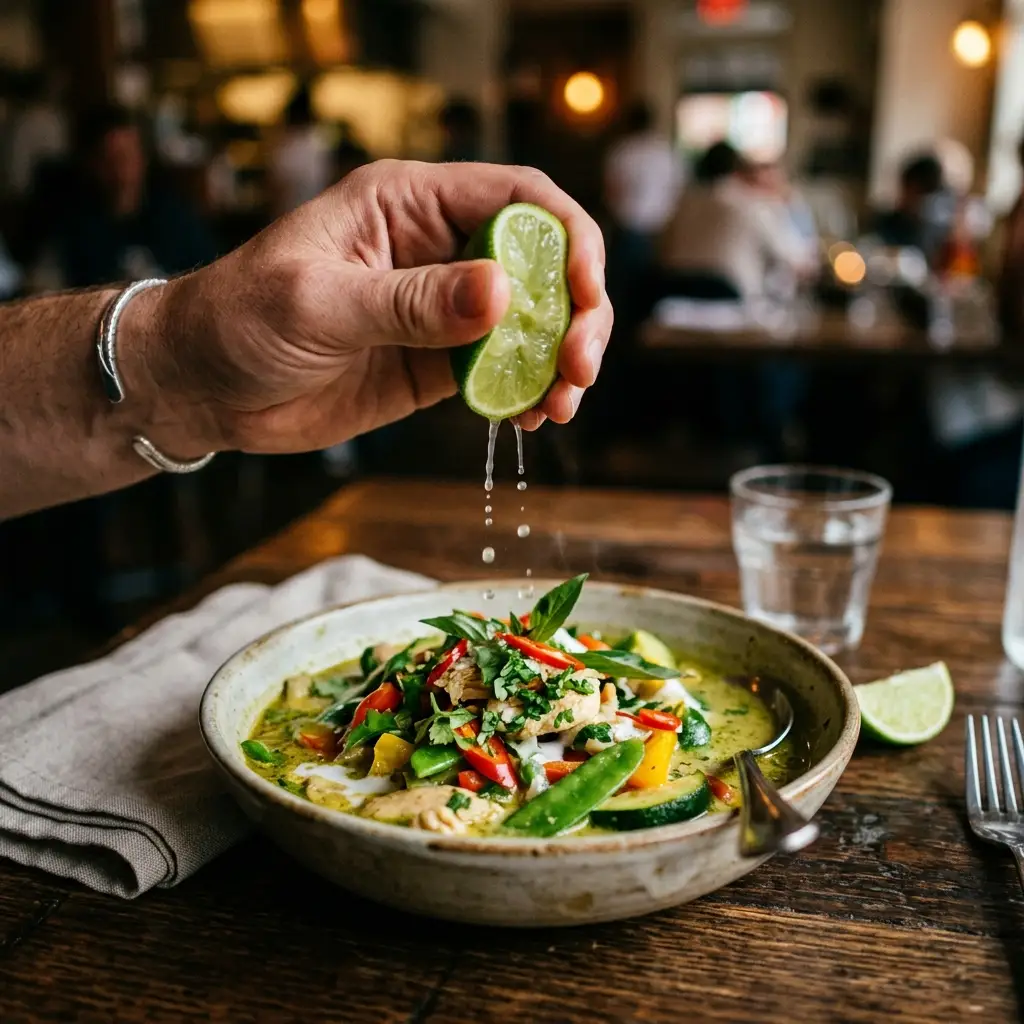
Add a squeeze of lemon, lime, or even a splash of orange juice. This helps neutralize the alkaline capsaicin and brightens the flavor . Good for almost any dish, especially chili, salsas, and stir-fries. Start with a tablespoon and add more as needed .
4. The Fat Fix (Dairy-Free)
Stir in a dollop of coconut milk or a spoonful of peanut butter. This is particularly effective in curries and stews because capsaicin is fat-soluble. The fat attracts and dissolves the spicy compounds .

5. The Sweet Fix
Balance the heat with a drizzle of honey or a pinch of sugar. This is great for BBQ sauces, glazes, or anything with a smoky flavor . Sugar and honey molecules bind with capsaicin, making it less intense .
6. The Dilution Fix
Make a larger batch! If you have more of the non-spicy base ingredients (broth, tomatoes), add them . You’ll end up with more food, but it will be edible.
7. The Starch Fix (For On-the-Plate)
If you can’t fix the pot, serve it over plain rice, noodles, or with a side of bread. The starch acts as a buffer, preventing the spicy compounds from binding to your nerve receptors .

Expert Tips to Avoid Common Mistakes
- Don’t Drink Water! This is one of the biggest mistakes. Water will just spread the capsaicin around your mouth, making the burn worse .
- Add in Small Increments: You can always add more, but you can’t take it out. Start small and taste frequently.
- Re-season: After adding cream, sugar, or broth, the dish might taste bland. Remember to re-season with salt after you’ve found the right balance.
- Acid is a Flavor Brightener: Don’t just think of acid as a heat-fighter; it’s also a flavor-enhancer. A splash of acid right at the end can save more than just the heat level.
- Avoid Curdling: When adding dairy to a highly acidic dish, do it off the heat and stir constantly to prevent the dairy from curdling.
Variations by Dish Type
- For Soups & Stews: Best for dairy, coconut milk, or dilution with extra stock .
- For Curries: Coconut milk, nut butters, or yogurt work wonders .
- For Chili: Add a cooked sweet potato (blended), brown sugar, or serve with sour cream and cheddar cheese . You can also drop a raw potato into the pot to absorb spice like a sponge—just remove it before serving .
- For Salsas & Hot Sauces: Add a splash of citrus or a pinch of sugar.
Storage and Reheating Tips
- Storage: Store the cooled, “fixed” dish in an airtight container in the fridge for 3-4 days. The spiciness may mellow out even more over time.
- Freezing: Most soups and curries freeze well. However, creamy sauces may split when reheated. If you used dairy to fix it, freeze with caution.
- Reheating: Reheat gently on the stovetop. If the texture is off, a splash of water or broth can help bring it back.
What to Serve with Spicy Food
Serve too-spicy dishes with cooling accompaniments: plain yogurt, raita, or a crisp, refreshing salad . To balance the heat, consider a side of bread, rice, or a starchy vegetable to soak up the extra spice.

Frequently Asked Questions
Why doesn’t water help with spicy food?
Capsaicin is an oil that doesn’t dissolve in water. Water only spreads it around, intensifying the burn .
Does milk really help with spicy food?
Yes. Milk contains a protein called casein, which binds to capsaicin and washes it away, offering almost immediate relief .
How do you fix a dish that is too spicy without dairy?
Use fats like coconut milk or nut butter, or add an acid like lemon juice .
Will sugar cut the heat of spicy food?
Yes, sugar and other sweeteners help balance the flavor profile and can trick your pain receptors .
Can I use a potato to fix spicy chili?
Yes! Adding a peeled potato to the pot can absorb excess spice. Remove it before serving, or mash it up for a spicy side dish .
Recipe Card
Title: How to Fix Food That Is Too Spicy
Short Description: A quick guide on how to rescue a meal that’s gone overboard on the heat. Use these tips to cool down your dinner.
Time: 5 minutes
Servings: N/A
Ingredients (Your Fire Extinguishers):
- Dairy (milk, cream, yogurt, sour cream)
- Fats (coconut milk, nut butter, avocado)
- Acids (lemon juice, lime juice, vinegar)
- Sweeteners (sugar, honey, maple syrup)
- Starches (rice, bread, pasta, potato)
Instructions:
- Assess the dish (creamy, brothy, tomato-based).
- Add a small amount of your chosen “fixer.”
- Taste and adjust. Add more if needed.
- Re-season with salt if necessary.
- Serve and enjoy your rescued dinner!
Notes: “Start small and taste as you go.”
Finding your dinner is too spicy is a common kitchen panic, but it doesn’t have to be a disaster. Armed with these simple, scientifically-backed tricks, you can confidently rescue any dish.
Now that you know how to handle the heat, you can experiment with bolder flavors without fear. Try this rescue plan on your next batch of chili, and if you have a favorite trick, drop a comment below! Don’t forget to pin this guide to save it for your next spicy kitchen emergency.