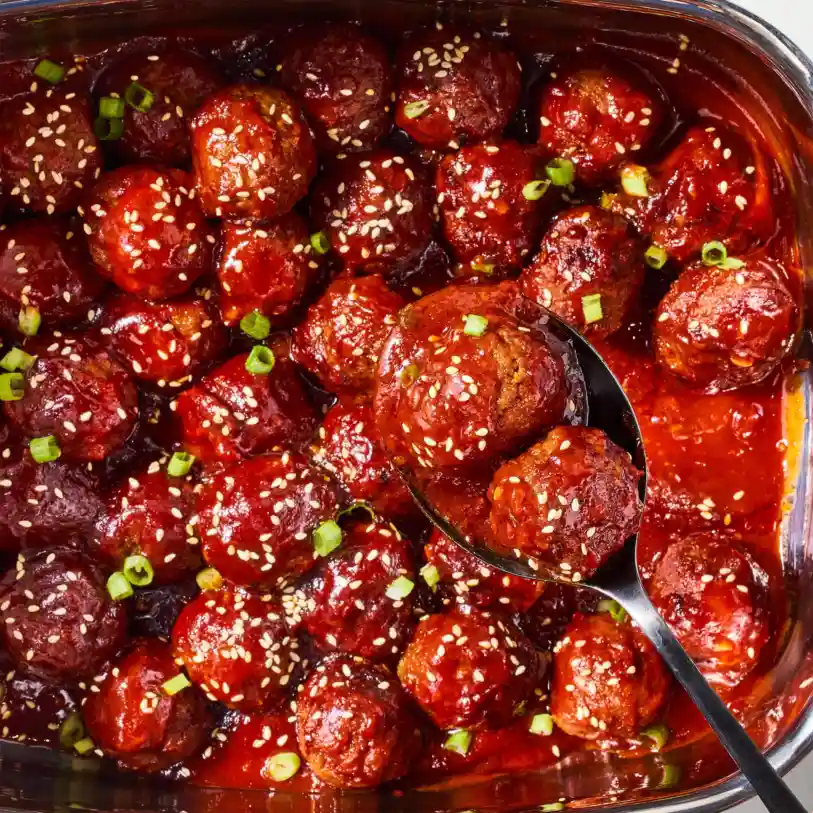
How to Make Stir-Fry Sauce That Coats Everything

You’ve just pulled a screaming-hot wok off the burner. The vegetables are crisp-tender, the chicken is golden. You pour in your sauce and watch it slide right off everything, pooling at the bottom of the pan like a sad little lake.
By the time it hits the plate, the sauce is a puddle. Your stir-fry tastes like steamed vegetables with a side of soy water.
Sound familiar? The problem isn’t your ingredients. It’s the thickness. A stir-fry sauce needs cornstarch to turn from a thin liquid into a glossy glaze that wraps around every piece of food .
This method comes from the basic technique used in restaurant kitchens and home cooking across Asia. A cornstarch slurry, added at the right moment, with the heat turned down so the sauce thickens instead of evaporating . It’s not a secret. It’s just science.
Here’s what you’ll get: a 5-minute sauce that genuinely coats. No more sauce puddles. No more bland bites. Just glossy, savory, takeout-quality stir-fry at home.
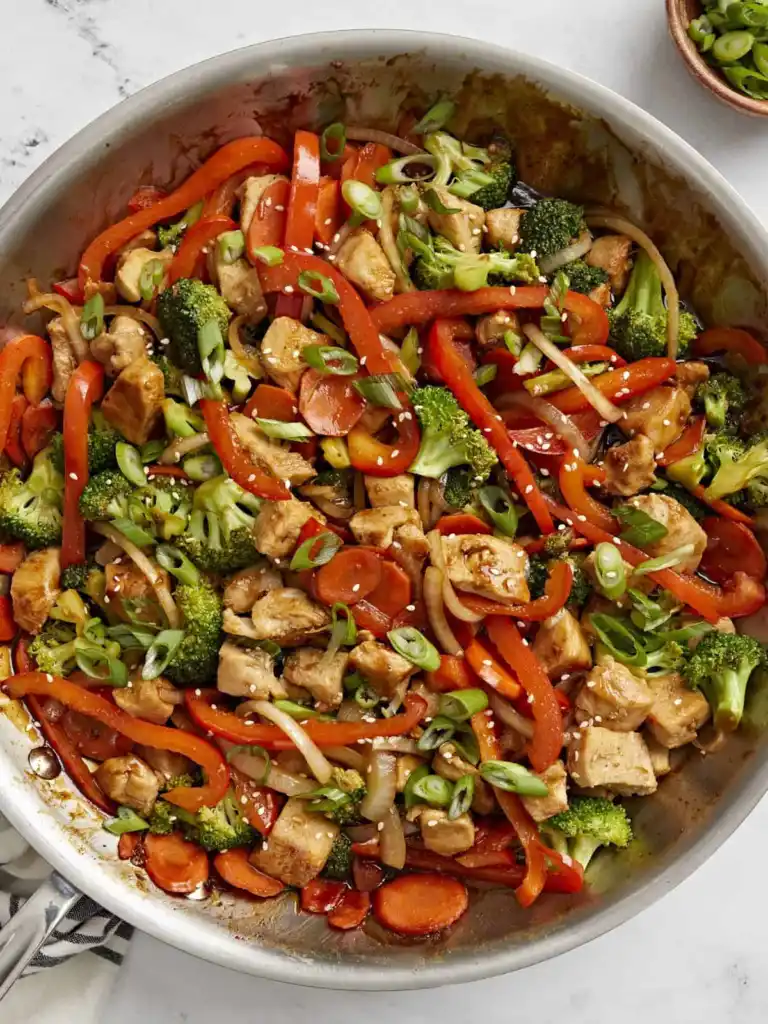
Ingredients for Homemade Stir-Fry Sauce
Here’s what you need for about 1 cup of sauce, enough for 4 servings of stir-fry.
| Ingredient | US | Metric |
|---|---|---|
| Low-sodium soy sauce | ⅓ cup | 80 ml |
| Water or low-sodium broth | ½ cup | 120 ml |
| Honey or brown sugar | 2 tbsp | 30 ml |
| Rice vinegar | 1 tbsp | 15 ml |
| Fresh garlic, minced | 2–3 cloves | 2–3 cloves |
| Fresh ginger, grated | 1 tsp | 1 tsp |
| Cornstarch | 1 tbsp | 8 g |
| Sesame oil (optional) | 1 tsp | 5 ml |
| Chili garlic sauce or Sriracha (optional) | ½–1 tsp | 2.5–5 ml |
What Each Ingredient Does
Cornstarch is the non-negotiable thickener. It creates the glossy, silky texture that makes sauce cling. Without it, you have flavored water .
Soy sauce brings the salty, savory backbone. Low-sodium is recommended so you can control the final saltiness .
Rice vinegar adds acidity to balance the sweetness and saltiness. Don’t skip it. It keeps the sauce from tasting flat .
Fresh ginger and garlic are the aromatic base. Fresh is best, but powder works in a pinch. Use ¼ teaspoon ground ginger and 1 teaspoon garlic powder .
Substitutions and Swaps
Gluten-free: Use tamari or coconut aminos instead of soy sauce .
Vegan: Use vegetable broth and maple syrup or agave instead of honey .
Low-carb: Use liquid aminos, skip the honey, and know that cornstarch is not keto-friendly. You can omit it, but the sauce will be thinner.
No oyster sauce needed: This base is already oyster-sauce-free, making it naturally vegan and shellfish-free.
Equipment You Need
- Small bowl or mason jar with lid
- Whisk or fork
- Measuring spoons and cups
- Wok or large skillet for the stir-fry
Step-by-Step: How to Make the Sauce
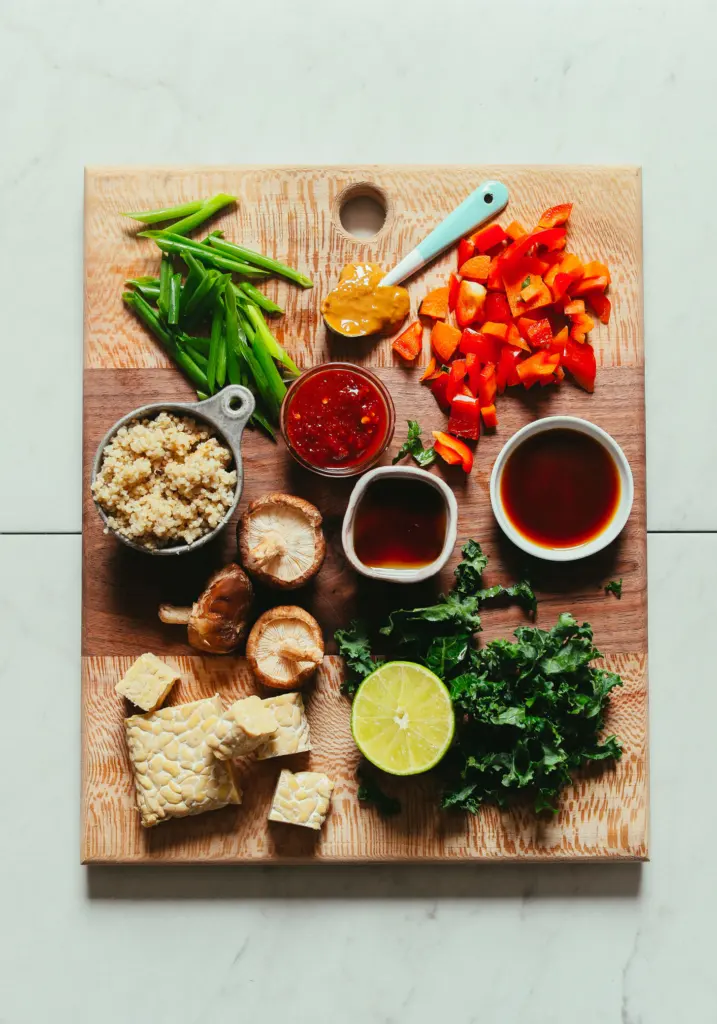
Making the sauce takes 5 minutes. Here’s the process, one action at a time.
- Combine the liquid ingredients. In a small bowl or jar, add the soy sauce, water or broth, honey, and rice vinegar. [IMAGE: pouring soy sauce into a small bowl for stir fry sauce]
- Add the aromatics. Add the minced garlic, grated ginger, and optional sesame oil or chili sauce.
- Whisk the cornstarch slurry separately. In a tiny bowl, whisk the cornstarch with 1 tablespoon of cold water until completely smooth. No lumps. This is your slurry .
- Combine and whisk. Pour the slurry into the main sauce mixture and whisk until fully incorporated. The sauce will look cloudy and thin at this stage. That’s correct. [IMAGE: cloudy thin stir fry sauce with cornstarch slurry]
- Taste and adjust. Taste the raw sauce. It should be slightly saltier and more intense than you want the final dish. The vegetables will dilute it slightly as they cook.
- Use immediately or store. If using right away, proceed to the stir-fry. If storing, omit the cornstarch, refrigerate the base for up to 4 days, and whisk in the slurry just before using .
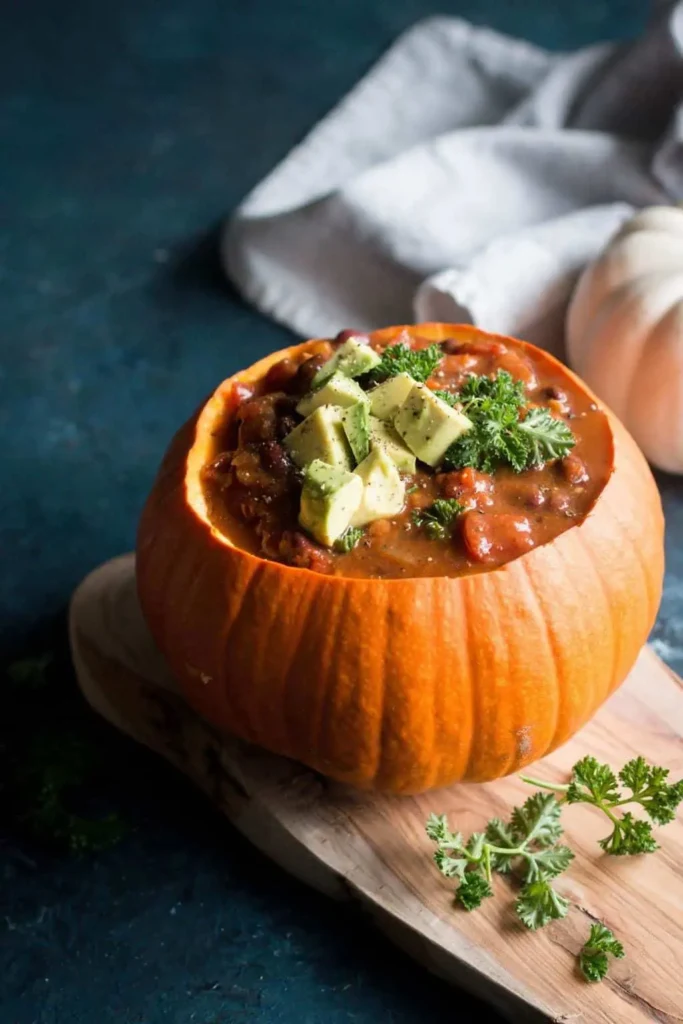
How to Use It So It Actually Coats Everything
The sauce is ready. Now comes the part that matters most.
The key insight: add the sauce at the right moment and manage the heat. This is where most people go wrong .
- Cook your protein first. Heat 1 tablespoon oil in a wok or large skillet over medium-high heat. Cook 1 pound of protein until browned and almost cooked through. Transfer to a plate. [IMAGE: golden chicken pieces being removed from wok]
- Stir-fry the vegetables. Add another tablespoon of oil. Add hearty vegetables first, like broccoli, carrots, and bell peppers. Cook 3–4 minutes. Then add quick-cooking vegetables like snow peas, bok choy, or zucchini. Cook 2–3 minutes more. They should be crisp-tender. [IMAGE: vibrant vegetables stir frying in wok]
- Return the protein and reduce the heat. Add the cooked protein back to the pan. Turn the heat to low or off entirely. This is the most important step. If the pan is screaming hot, the sauce will evaporate before it thickens .
- Pour in the sauce. Give the sauce a final stir because cornstarch settles. Then pour it over everything in the pan.
- Toss continuously for 1–2 minutes. As the sauce heats, the cornstarch activates and the sauce transforms from cloudy and thin to glossy and thick. It should coat the back of a spoon and cling to every piece of food . [IMAGE: stir fry sauce turning glossy and coating vegetables]
- Serve immediately. Stir-fry waits for no one. Have rice or noodles ready before you start cooking.
How to Tell When It’s Done
Visual: Sauce changes from cloudy and opaque to glossy and translucent.
Texture: It coats the back of a spoon and leaves a clean line when you drag your finger through it.
Taste: The raw garlic sharpness has mellowed. The sauce tastes balanced, savory, and slightly sweet.
Expert Tips and Common Mistakes to Avoid
Here’s what most people get wrong.
Don’t add the sauce to a screaming-hot pan. This is the number one reason stir-fry sauce doesn’t coat. The liquid evaporates instantly, leaving nothing behind. Turn the heat down or off before adding the sauce .
Whisk the cornstarch with cold water first. Adding dry cornstarch directly to a hot pan creates lumps that never dissolve. The cold-water slurry prevents clumping .
Taste before you cook. The raw sauce should be slightly more intense than you want the final dish. Vegetables release moisture that dilutes the sauce as it cooks .
Don’t overcrowd the pan. If your wok is packed, vegetables steam instead of sear, and the sauce has nowhere to go. Cook in batches if needed.
Use low-sodium soy sauce. Regular soy sauce plus reduction equals a salt bomb. Low-sodium gives you control .
Variations to Try
Once you’ve mastered the base, variations are yours to play with.
Spicy Stir-Fry Sauce: Add 1–2 teaspoons Sriracha, ½ teaspoon red pepper flakes, or 1 teaspoon chili garlic sauce .
Sesame-Ginger: Increase sesame oil to 1 tablespoon and ginger to 2 teaspoons. Finish with toasted sesame seeds.
Extra Umami: Add 1 tablespoon oyster sauce or 1 teaspoon hoisin.
Thai-Inspired: Add 1 tablespoon lime juice, extra ginger, and a pinch of red pepper flakes. Pairs beautifully with Thai basil.
Sweet and Savory: Swap honey for brown sugar or add 1 tablespoon orange juice.
Thicker Sauce for Noodles: Increase cornstarch to 1½ tablespoons for a sauce that clings to slippery noodles .
Storage, Reheating, and Make-Ahead
Make-Ahead (Best Method): Mix all ingredients except the cornstarch and store in an airtight jar in the fridge for up to 4 days. Whisk in the cornstarch slurry just before using .
Storage (With Cornstarch): If already mixed with cornstarch, store in the fridge for up to 2 days. The cornstarch will settle. Shake or whisk vigorously before using.
Freezing: The base sauce, without cornstarch, freezes well in ice cube trays or small containers for up to 3 months. Thaw overnight in the fridge, then add cornstarch slurry before using .
Reheating: If the stored sauce has thickened too much, stir in a splash of water or broth and gently warm.
What to Serve With Stir-Fry
Over steamed jasmine rice. The classic. The sauce soaks into the rice in the best way.
Tossed with cooked noodles. Lo mein, udon, or rice noodles. Increase cornstarch to 1½ tablespoons for better cling .
With cauliflower rice for a lower-carb option.
As a marinade. Pour over chicken, beef, or tofu 30 minutes before cooking. Omit the cornstarch if marinating. Add the cornstarch slurry separately when you cook.
Drizzled over roasted vegetables for a flavor boost.
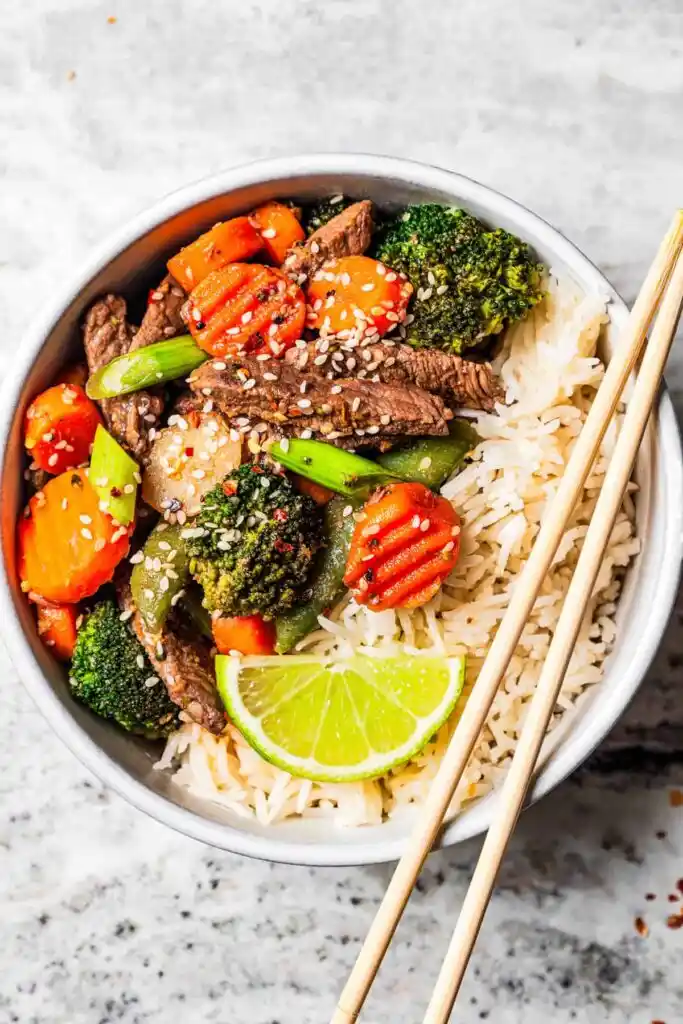
A stir-fry sauce that coats everything isn’t a secret restaurant trick. It’s cornstarch, timing, and heat control. Mix the sauce in one bowl, turn the pan down before you pour, and toss for just a minute or two. That’s it.
The result is glossy, savory, clinging sauce that makes every bite taste intentional.
Once you’ve mastered this base, variations are yours to play with. Spicy, sesame-ginger, extra umami. Pin this recipe for your next weeknight stir-fry. Rate it if it solved your sauce-puddle problem. And try the spicy version next time you’re craving takeout at home.