How to Start Eating Spicier Food Without the Pain
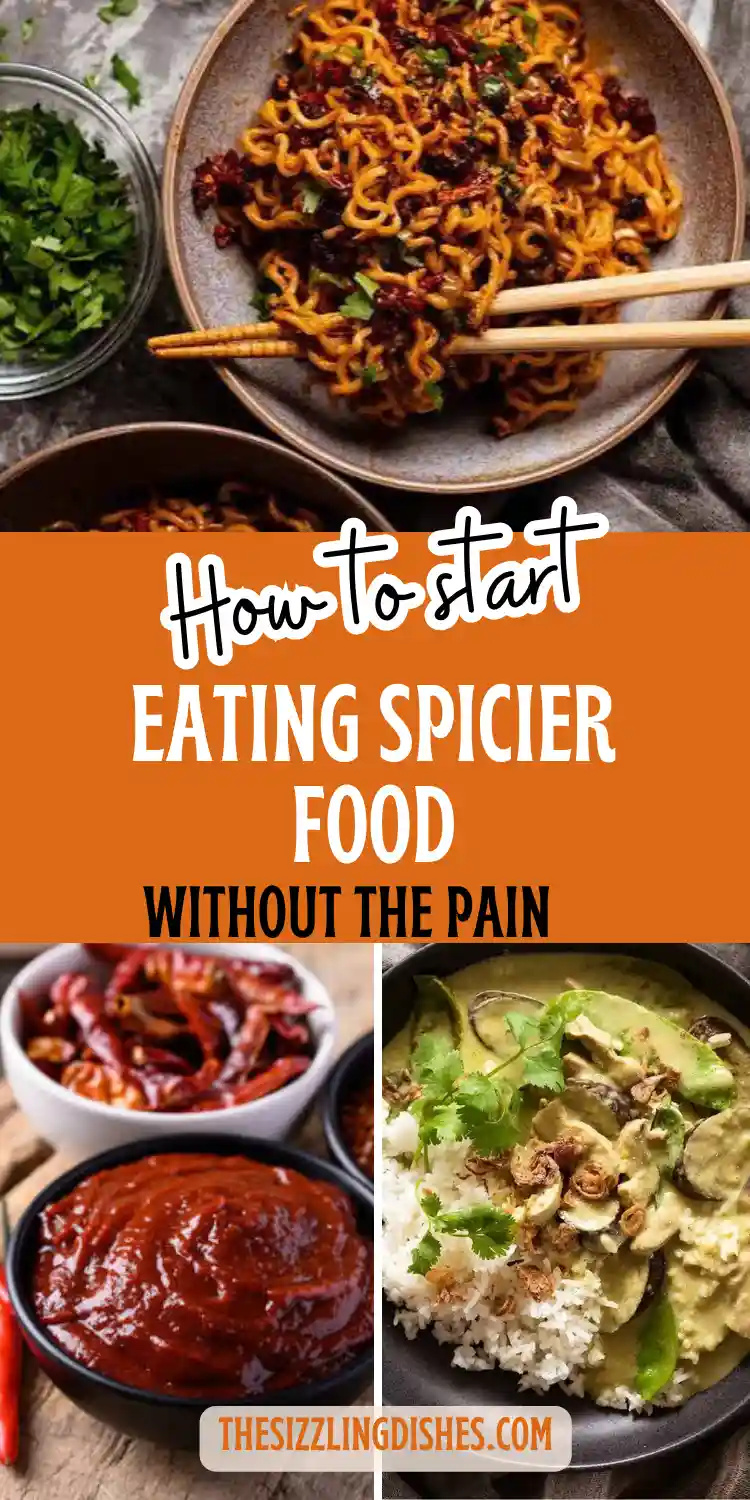
Picture this: you’re at your favorite Thai restaurant. The Panang curry smells incredible. You take a bite… and immediately reach for your water glass. Your forehead sweats. Your nose runs. Your mouth is on fire.
You’re not alone—and it doesn’t have to be this way.
Many people love the flavor of spicy food—the complexity, the warmth, the depth—but the physical discomfort keeps them from enjoying it. Maybe you feel left out when friends order extra spicy or add hot sauce to everything. Maybe you want to explore Indian, Mexican, or Sichuan cuisine but keep hitting a wall of pain.
Here’s the good news: spice tolerance is trainable . You can build it gradually, just like any other skill. And there are science-backed ways to take the edge off while you’re learning.
This guide will walk you through exactly how to start eating spicier food without suffering. You’ll learn practical steps to build tolerance, cooling strategies that actually work, and beginner-friendly recipes to start with.
Ready to turn up the heat? Let’s start with what you’ll need.
Your Spice-Building Toolkit
You don’t need anything fancy to start building spice tolerance. Here’s what will help:
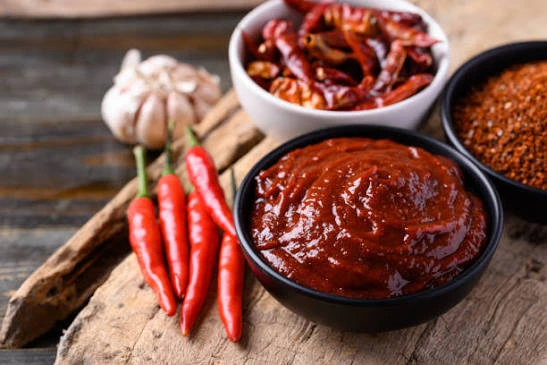
Mild starting spices — Black pepper, paprika, Aleppo pepper, mild chili powder. These give you flavor without overwhelming heat.
Medium-heat sauces — Sriracha, sweet chili sauce, mild salsa, chipotle in adobo (in small amounts). These are easy to control and widely available.
Cooling dairy — Milk, yogurt, sour cream, cream cheese, kefir. The casein protein in dairy binds to capsaicin (the compound that makes chiles spicy) and helps wash it away .
Acids and sweetness — Lime, lemon, vinegar, tomato; honey, sugar, maple syrup. Acids and fats take the edge off the heat . Sweetness softens the burn and makes spicy food more enjoyable .
Starches — Bread, rice, pasta, potatoes. They block capsaicin from reaching your taste receptors .
Substitutions if you need them
Dairy-free — Coconut milk, avocado, or nut milks (less effective than dairy but still helpful). When dairy’s not available, bread or starch can help block the heat .
Low-carb — Use cauliflower rice or shirataki noodles as starch buffers.

How to Build Spice Tolerance: Step by Step
These steps are not for a single meal—they’re a process to follow over weeks and months. Take it slow, and be patient with yourself.
Step 1: Start lower on the Scoville scale
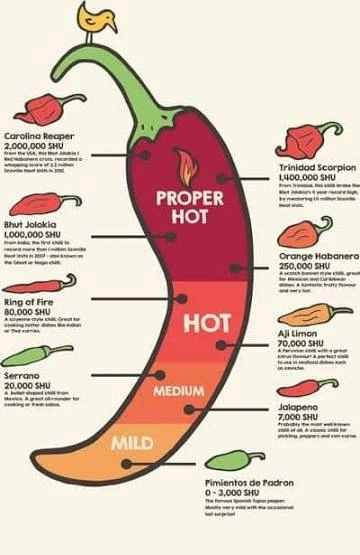
Begin with peppers at the bottom: bell peppers (0 SHU), banana peppers, Anaheims, poblanos. Work up to jalapeños (2,500–8,000 SHU) .
Chef Latoya Flagon, owner of Twist Catering, suggests “trying different levels of heat a couple times a week” to increase tolerance .
The Scoville scale measures pepper heat in Scoville Heat Units (SHU). Bell peppers are 0, jalapeños run 2,500–8,000, and Carolina Reapers top out over 2.2 million . Use it as your guide.
Step 2: Add small amounts to food you already love
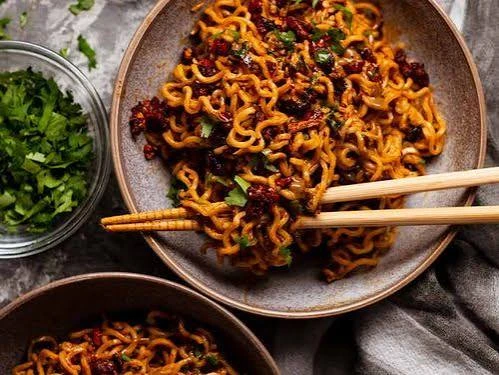
Don’t start by eating a raw habanero. Sprinkle a little cayenne on your eggs. Add a squirt of sriracha to ramen. Mix a spoonful of chili crisp into noodles.
Olfactory researcher Pamela Dalton recommends adding “the spice to a dish you already like” . This makes the experience more positive and less intimidating.
Flagon agrees: start with dishes that have moderate heat—”Mexican food that has heat, light chili sauce, Thai curries, and Sriracha sauce” .
Step 3: Eat spicy food consistently
“Consistency matters more than intensity,” Flagon notes . Aim for 2–3 spicy meals per week.
The receptors in your mouth stop overreacting with regular exposure. It’s like training a muscle. Flagon shared that she “personally could only handle black pepper when I was younger, and now I can eat scotch bonnet pepper sauce” .
Within a few months of eating spicy food at least once a week, you’ll notice increased tolerance .
Step 4: Let the dish cool slightly
Here’s a trick most people don’t know: eating spicy food at a lower temperature reduces your body’s reaction .
The lower the temperature of your spicy food, the less intense the reaction to capsaicin. Researchers tested this between two groups eating the same spicy dish, and the group that ate it cooler responded less intensely .
Let your spicy soup, curry, or noodles cool to room temperature before eating.
Step 5: Pace yourself between bites
Wait 2.5 to 5 minutes between bites. This gives receptors time to desensitize and reduces the burn .
Registered dietitian Annie Hibbs explains that the benefit of this break can last up to 24 hours—leftovers might actually feel less spicy at your next meal .
Alternate spicy bites with plain rice, bread, or a sip of milk.
Step 6: Pair with cooling elements
Use dairy, acids, or sweetness to take the edge off as you build tolerance.
“Sweetness softens the heat and burn and makes spicy food more enjoyable,” Flagon says . Think mango salsa, honey-chili wings, or coconut curry.
If you’re new to spice, try “chili sauce or hot sauce with honey, twist pepper sauce, mango or pineapple, and Canadian maple syrup with pepper sauce” .
Step 7: Gradually increase the heat
Move up the Scoville scale as your baseline changes. Serrano (10,000–23,000 SHU), then cayenne (30,000–50,000 SHU), then bird’s eye (50,000–100,000 SHU), eventually habanero (100,000–350,000 SHU).
Building your spice tolerance “is a slow burn, not a flash in the pan” .
Expert Tips and Common Mistakes to Avoid
Don’t drink water
Water spreads capsaicin around your mouth, making the burn worse. Reach for dairy instead . “First thing I will say is [do] not drink water, it only makes it hotter,” Flagon warns .
Don’t push too fast
Going zero to Carolina Reaper can cause stomach pain, nausea, and burning diarrhea. Family medicine doctor Allan Capin advises: “Everyone has a limit. If you have pain, stop” .
Don’t chase “pure heat”
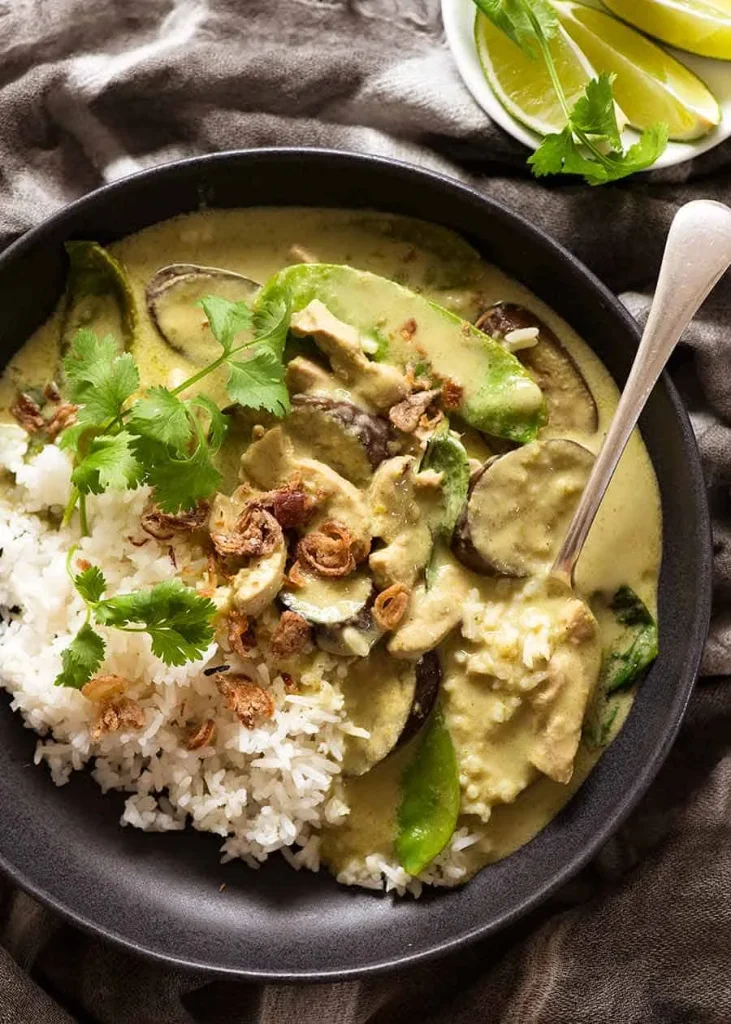
Aim for flavor with heat, not pain. Thai green curry, Mexican mole, and Sichuan stir-fry offer complexity and character—not just burn .
Do consider genetics
Genetics can determine up to 58% of the differences in how people handle spice levels . Some people are naturally more sensitive. Be patient with yourself.
Do focus on the endorphin payoff
Eating spicy food releases endorphins and dopamine—a mild euphoria often compared to a runner’s high . “Endorphins make you happy!” Flagon says .
Spicy food also offers health benefits: lowered inflammation, metabolism boost, and sinus clearing .
Beginner-Friendly Recipes to Start With
Here are easy spicy recipes for beginners to practice with. Each includes a built-in cooling element.
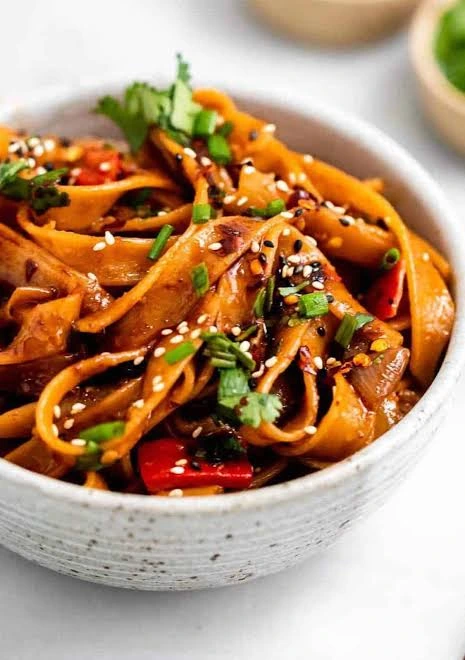
Spicy Garlic Noodles — Melt butter with garlic, chili flakes, soy sauce, and honey. Toss with noodles. Finish with scallions and lime. Sweetness and acid soften the heat.
Chipotle Black Bean Tacos — Warm black beans with onion, garlic, cumin, and chipotle in adobo. Serve with yogurt or sour cream. Dairy cools the heat.
Red Curry Coconut Shrimp — Sauté garlic and red curry paste, stir in coconut milk, add shrimp and snap peas. Serve over rice. Coconut milk softens the heat.
Fiery Tomato Eggs — Simmer garlic, onion, chili flakes, and crushed tomatoes. Crack in eggs, cover until whites set. Dip with bread. Acid from tomatoes and starch from bread help balance.
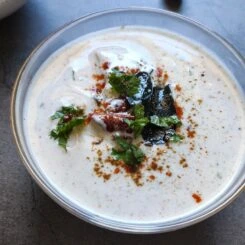
Chicken Chilli Masala — A properly hot chicken curry that builds flavor and heat together. Pair with raita (yogurt with cucumber and mint) .
Storage, Reheating, and Make-Ahead
- Spicy food often tastes better the next day as flavors meld
- Reheat gently—high heat can make the spice seem more intense
- Store leftovers in airtight containers; follow the two-hour rule for food safety
- If reheating something too spicy, add a splash of cream or coconut milk to tame it
What to Pair With Spicy Food
- Rice or noodles as a starch buffer
- Raita, yogurt, or sour cream as a cooling condiment
- Lime wedges to add acid and lift the flavor
- Cucumber slices to cool and refresh the palate
- A mild lager or milk (not water) as your beverage
Frequently Asked Questions
Does drinking milk actually help with spicy food?
Yes. The protein casein in milk binds to capsaicin molecules and washes them away. This is much more effective than water, which just spreads the heat .
How long does it take to build spice tolerance?
You’ll notice improvement within a few months of eating spicy food at least once a week . Full tolerance can take longer—be consistent and patient.
Is spicy food bad for your stomach?
For most people, no. Capsaicin has anti-inflammatory and digestive benefits . However, if you have IBS, GERD, or a sensitive stomach, be cautious—spicy food can trigger symptoms.
What’s the Scoville scale and why should I care?
It measures the heat of peppers in Scoville Heat Units (SHU). Bell peppers are 0 SHU, jalapeños are 2,500–8,000 SHU, and Carolina Reapers are over 2.2 million SHU . Use it to choose heat levels that match your tolerance.
Is there a trick to enjoying spicy food instantly?
Try eating it at room temperature or cooler—lower temperatures reduce the body’s response to capsaicin . Also pair spicy bites with dairy or acid.
Will I ever genuinely like spicy food, or just tolerate it?
Most people experience a “hedonic shift”—from disliking to liking—with repeated exposure . The endorphin rush makes spicy food genuinely enjoyable over time.
Recipe Card
Title: How to Build Spice Tolerance (A Process, Not a Recipe)
Short Description: A step-by-step guide to training your palate to enjoy spicy food without the pain, backed by science and expert advice.
Prep Time: 5 minutes (read time)
Total Time: Ongoing (weeks to months)
Skill Level: Beginner
“Ingredients” (Your Toolkit):
- 1 mild hot sauce (sriracha, sweet chili)
- 1 medium hot sauce (chipotle, cayenne-based)
- Dairy (milk, yogurt, sour cream)
- Lime, honey, or sugar for balancing
Instructions:
- Start with mild spices (black pepper, paprika) on a dish you already love
- Add small amounts of medium-heat sauce 2–3 times weekly
- Pair with dairy or sweetness to manage the burn
- Gradually work up the Scoville scale over weeks
- Take breaks between bites (2.5–5 minutes)
- Never drink water to cool down—use milk
Nutrition Estimate: Not applicable (this is a technique guide)
Ready to start your spice journey? Save this guide for later, try one of the beginner recipes, and let me know in the comments—what’s the spiciest dish you want to conquer?