Easy Way to Balance Heat and Flavor

You’ve just taken a bite of what was supposed to be a cozy bowl of chili. Instead of warmth and depth, you get fire. Your eyes water. Your mouth burns. You’re not sure if you can take another bite — but you don’t want to throw away a whole pot of food.
If this sounds familiar, you’re not alone. Almost every home cook has been there.
Here’s the thing: cooking with spice doesn’t have to be intimidating. The fear of making a dish too hot keeps many people from experimenting with bold flavors. But once you understand a little bit of the science behind spice, and a few simple techniques, you’ll never have to throw out a too-spicy meal again.
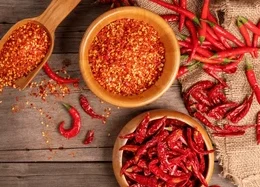
The heat in chili peppers comes from a compound called capsaicin. And capsaicin loves fat. That’s why a glass of milk works better than water when your mouth is on fire — the fat grabs the capsaicin and washes it away. Cooks around the world have been using fat, acid, and sweetness to balance heat for centuries, from Thai curries to Indian stews to Mexican salsas.
In this guide, you’ll learn why spice feels hot, exactly how to add heat without overpowering flavor, and step-by-step fixes for when things go too far. Whether you’re a complete beginner or just want more control in the kitchen, these techniques work with any cuisine and any diet.
The Balancing Ingredients You Need to Know
These aren’t ingredients for a recipe — these are your tools for balancing heat. Keep them in mind the next time you’re cooking something spicy.

Dairy: Yogurt, Cream, Milk, Sour Cream
What it does: Dairy binds to capsaicin, cooling the burn. This is why a dollop of sour cream on chili or a glass of milk with spicy food works so well.
How to use it: Stir into soups, curries, and sauces. Serve alongside spicy mains. For vegan options, coconut milk and cashew cream work the same way.
Acid: Lemon, Lime, Vinegar, Tomatoes
What it does: Acid brightens and balances sharp heat. It doesn’t neutralize capsaicin, but it shifts your taste buds’ focus from fire to flavor.
How to use it: Squeeze fresh citrus over finished dishes. Stir a splash of vinegar into sauces. Add tomatoes to too-spicy stews.
Sweetness: Honey, Sugar, Maple Syrup
What it does: Sweetness counteracts sharp heat and rounds out flavors.
How to use it: Add a teaspoon to tomato-based sauces, stir-fries, or marinades. For low-sugar options, try a pinch of stevia or monk fruit.
Fat: Oil, Butter, Nut Butters, Coconut Milk
What it does: Fat dissolves capsaicin and adds richness to the dish.
How to use it: Stir into soups and stews. Use in cooking from the start. A spoonful of peanut butter or tahini can rescue a too-spicy curry.
Starch: Rice, Pasta, Potatoes, Bread
What it does: Starch absorbs excess spice and dilutes the heat.
How to use it: Serve spicy dishes alongside starchy bases. Add potatoes to soups that are too hot. Bread helps absorb heat bite by bite.
Cooling Herbs: Cilantro, Mint, Basil
What they do: Provide fresh contrast to heat.
How to use them: Sprinkle on finished dishes just before serving.
Substitutions and Swaps
- Dairy-free: Coconut milk, cashew cream, or full-fat oat milk
- Vegan: Nut butters, avocado, coconut milk, or tahini
- Low-sugar: Stevia or monk fruit instead of honey or sugar
Equipment You’ll Need
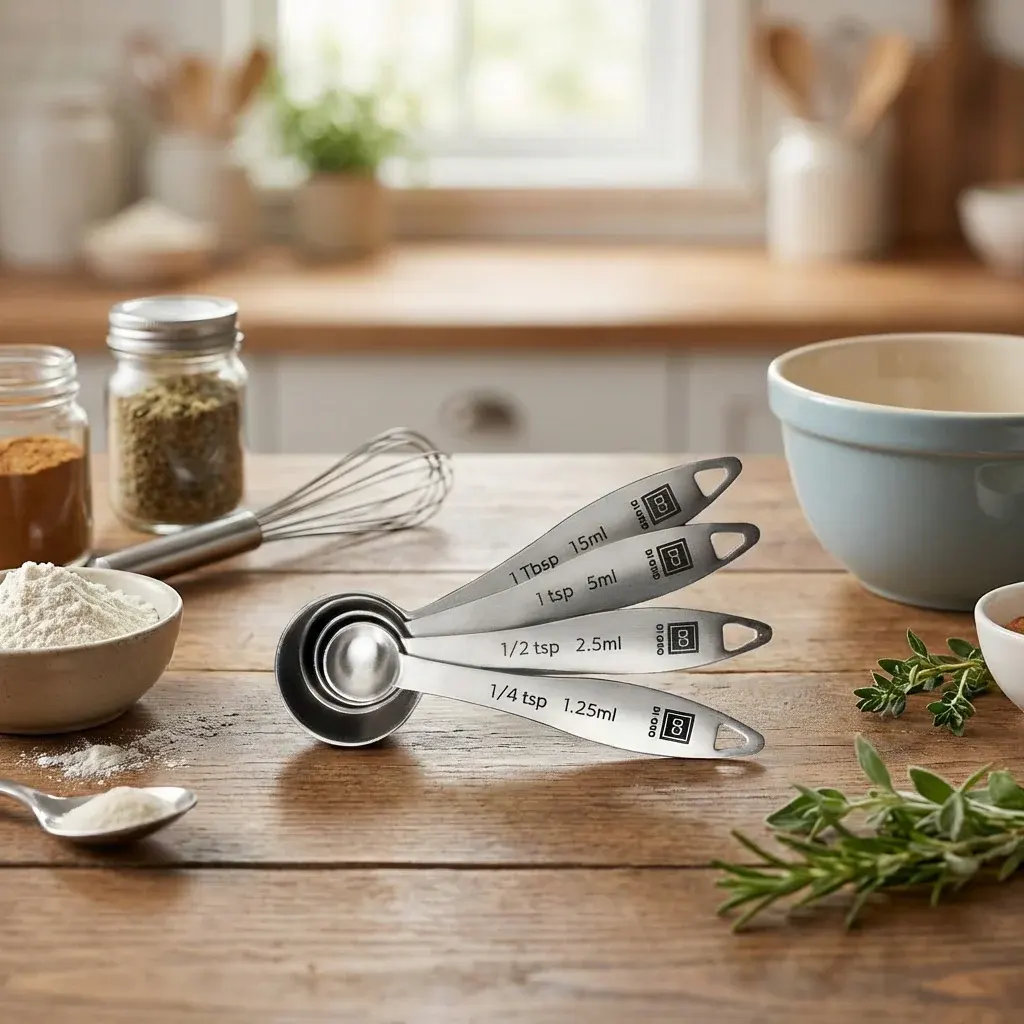
You don’t need anything fancy for these techniques. A spoon for tasting. Measuring spoons for controlled additions. A microplane or fine grater is helpful if you’re zesting citrus, but completely optional. That’s it.
How to Balance Heat and Flavor: Step-by-Step
Step 1: Start Small and Taste Often
Add spices gradually. Use a quarter of what you think you need, then taste and adjust. You can always add more heat, but you cannot pull heat back out once it’s in the pan.
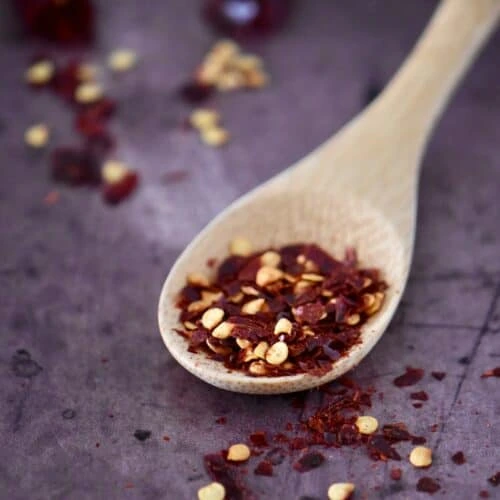
This is the single most important rule of cooking with spice. When you’re following a recipe, start with less than it calls for. You can always add more, but you can’t subtract it.
Step 2: Layer Your Heat Sources
Add different types of heat at different stages. Dried spices go in early — they mellow and deepen as they cook. Fresh chilies go in later — they stay bright and sharp. This creates complexity rather than just “hot.”
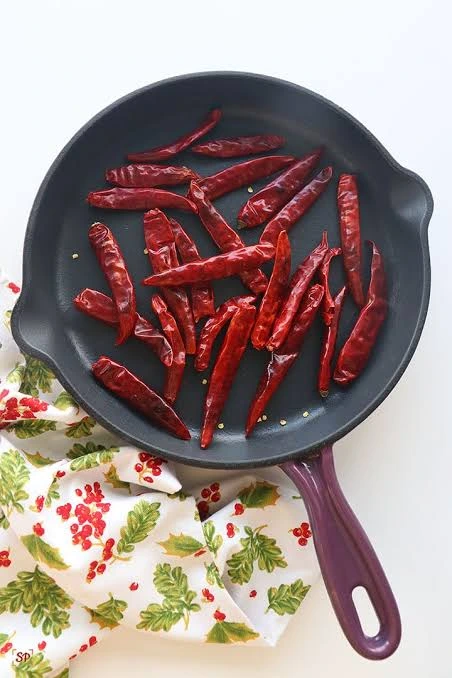
This layering technique is what separates good spicy food from great spicy food. You get warmth that builds and lingers, not just a punch of fire.
Step 3: Balance Heat with Fat and Sweetness
If the heat is stronger than you want, add dairy, coconut milk, nut butter, or a touch of honey. A dollop of yogurt, a swirl of cream, or a splash of milk can smooth over the spice like a soothing balm.
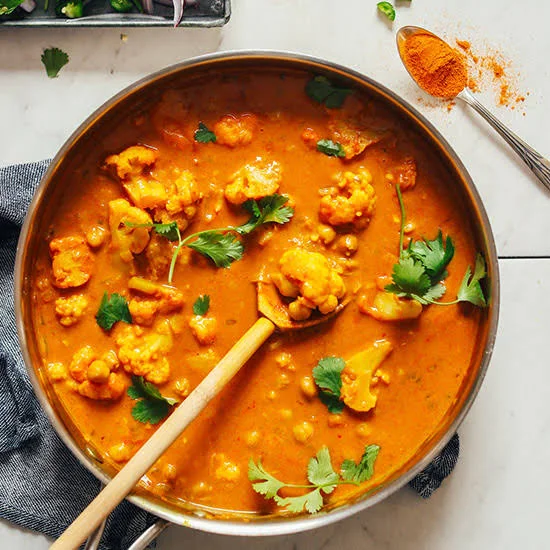
Add one teaspoon at a time and taste in between. You’re looking for a balance where the heat is present but not overwhelming.
Step 4: Brighten with Acid
If the dish still feels flat or one-note spicy, add a squeeze of lemon or lime, or a splash of vinegar. Acid doesn’t neutralize capsaicin, but it confuses your taste buds in the best way, shifting focus from fire to flavor.
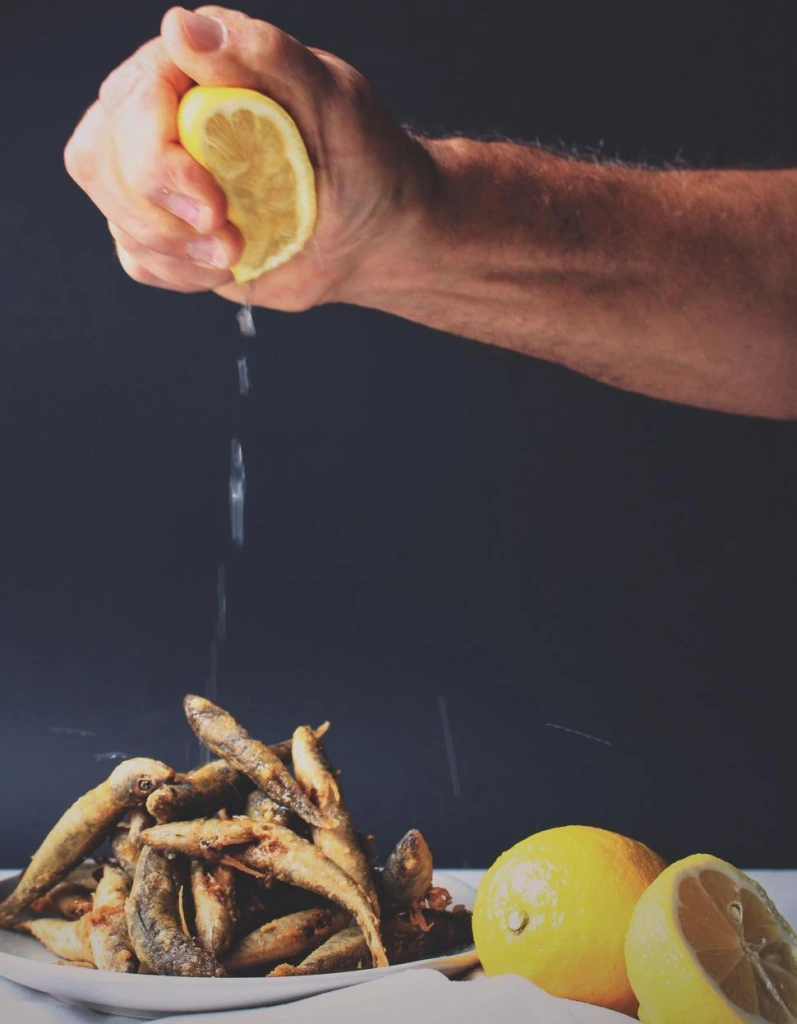
This step often saves a dish that felt like it was missing something. The acid cuts through the richness and brings everything into focus.
Step 5: Dilute If Needed
If the dish is simply too spicy to rescue with balancing ingredients, add more of the base elements — extra vegetables, broth, or grains. This spreads the spice thinner, reducing its bite without ruining the dish.
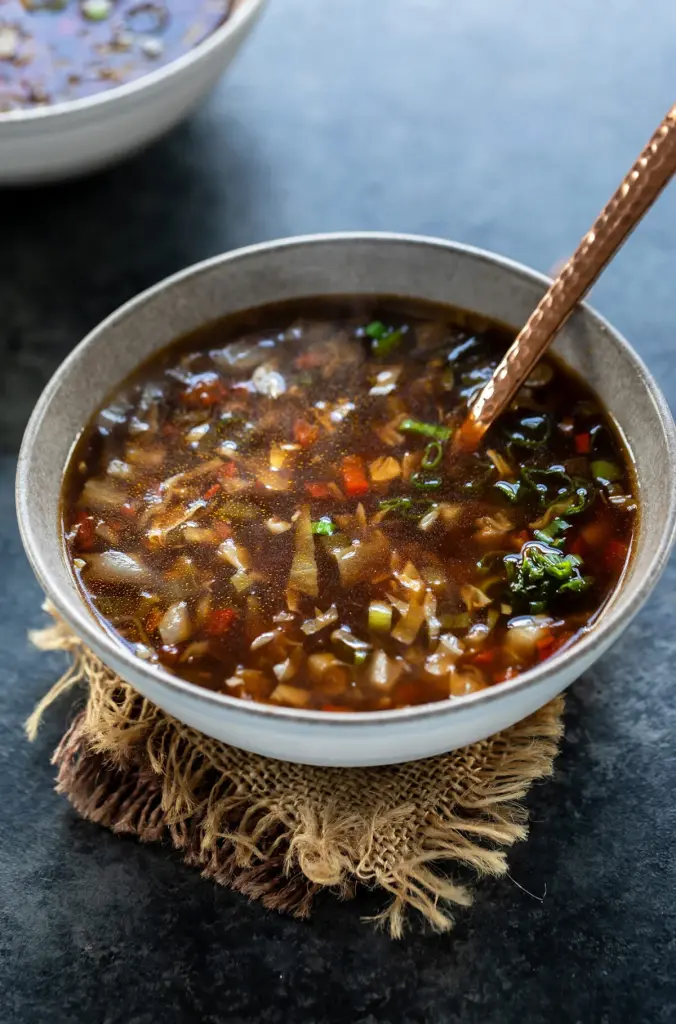
This is your emergency plan. It works best with soups, stews, and sauces where you have room to add more volume.
Step 6: Let People Control Their Own Heat
Serve the dish mild and add hot sauce, chili flakes, or fresh peppers on the side. This keeps everyone happy, from the spice-averse to the heat-seekers.

This is the best approach when cooking for a crowd. You control the flavor, they control the fire.
How to know when you’ve got it right: Heat should be part of the dish, not the focus. You should taste the spice, but it shouldn’t overpower everything else. When in doubt, start milder — people can always add spice but can’t subtract it.
Expert Tips and Common Mistakes
“Don’t add all your heat at once.”
Start with half the amount and build up. Spices intensify during cooking, especially in stews and sauces. A dish that tastes mild on the stove can become surprisingly hot by dinnertime.
“Milk works better than water.”
Capsaicin is fat-soluble. Water spreads the heat around your mouth and makes the burn worse. Fat binds with capsaicin and washes it away. This is why a glass of milk, yogurt, or a creamy sauce cools things down better than water ever could.
“Don’t skip tasting.”
Your palate is the most important tool in the kitchen. Taste at every stage. What seems fine at the beginning can become too strong as flavors meld.
“Smoking hot pan = smoking hot spice.”
Toasting spices in fat releases their flavors and heat. But too high a heat can make them bitter. Keep it gentle and cook until fragrant, not burned.
“Know your audience.”
Ask about spice tolerance before cooking for others. What’s mild to you might be fiery to someone else. When in doubt, leave extra spice out and let people add more at the table.
Variations for Different Cuisines
Go Thai
Balance heat with coconut milk, lime juice, and palm sugar. These three ingredients form the backbone of so many Thai dishes for good reason — they work together to temper and round out chili heat.
Go Mexican
Use crema, fresh lime, and cilantro to tame chilies. Mexican cuisine has mastered the art of heat balance, with cooling toppings that let you dial the spice up or down with every bite.
Go Indian
Add yogurt, ghee, or a spoonful of sugar to balance a too-spicy curry. The richness of dairy and the subtle sweetness of sugar are classic Indian techniques for managing heat.
Go Korean
Use gochujang’s natural sweetness and pair with sesame oil and rice. The fermented chili paste has built-in sweetness that already does some of the balancing work for you.
Storage, Reheating, and Make-Ahead Tips
Make-Ahead
Most spicy dishes taste more balanced the next day as flavors meld. The heat often settles down overnight. Adjust again when reheating.
Freezing
Spices can intensify when frozen. A curry that was perfect before freezing might need a splash of cream or a squeeze of lime after thawing. Always taste and adjust after reheating.
Reheating
Add a splash of cream, broth, or water when reheating spicy dishes. This helps rebalance the heat that may have concentrated during storage.
What to Serve with Spicy Food
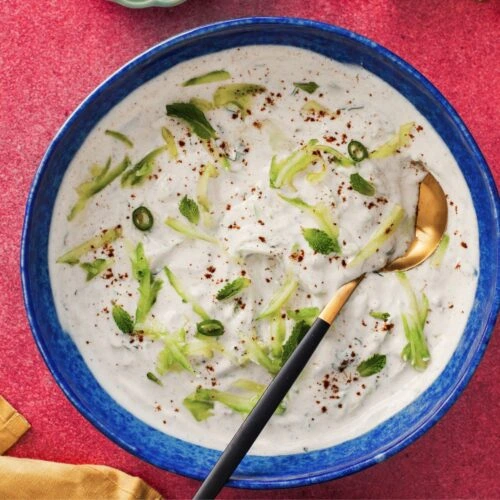
- Cooling sides: Raita, cucumber salad, or plain yogurt. These cut through heat beautifully.
- Starchy bases: Rice, noodles, naan, or potatoes. They dilute the heat with every bite.
- Refreshing drinks: Limeade, lassi, or milk. Remember — water spreads capsaicin, so skip it in favor of dairy or sweetened drinks.
- Pickled vegetables: Vinegar-based pickles cut through heat with acidity. They’re a classic pairing for spicy dishes across many cuisines.
Frequently Asked Questions
How do I fix a dish that’s already too spicy?
Add dairy (cream, yogurt, milk), a touch of sweetness (honey or sugar), or acidic ingredients (lemon, lime, vinegar). You can also serve it with rice, bread, or potatoes to dilute the heat per bite. If the dish is a soup or stew, add extra broth or vegetables.
Does water help cool down spicy food?
No. Water actually spreads capsaicin around your mouth and can make the burn worse. Milk or yogurt works best because capsaicin is fat-soluble. The fat grabs the heat and washes it away.
Can I add heat without making a dish too spicy?
Yes, by starting small and building gradually. Add dried spices early for mellow warmth that develops slowly. Add fresh chilies at the end for bright heat you can control more easily. Always taste between additions.
What’s the best way to add heat for people with different tolerances?
Keep the base dish mild and serve hot sauces, chili oil, or fresh peppers on the side. This lets everyone adjust their own serving. It’s the easiest way to please a crowd.
Why do some dishes get spicier the next day?
Spices continue to infuse into the food as it sits. The heat compounds overnight. When reheating, you may need to add a bit more dairy, acid, or sweetness to rebalance.
What’s the difference between fresh chilies and dried chili flakes?
Fresh chilies give bright, sharp heat that hits immediately. Dried flakes provide deeper, slower-building warmth that lingers. Use them for different effects — fresh for quick heat, dried for background warmth.
Cooking with spice doesn’t have to be intimidating. The key to learning how to balance heat and flavor is simple: start small, taste often, and keep your balancing ingredients close. Whether you’re fixing a dish that’s too hot or carefully layering heat into a new recipe, these techniques give you control — not just over spice, but over flavor.
Now it’s your turn. Next time you cook, add a little heat and taste as you go. And if things get too hot, you’ve got the tools to fix it.
Did this guide help you feel more confident with spice? Leave a comment below, save this pin for your next spicy cooking session, or try the variations next time you’re in the kitchen.