Spicy Cooking for Beginners: Everything You Need to Know
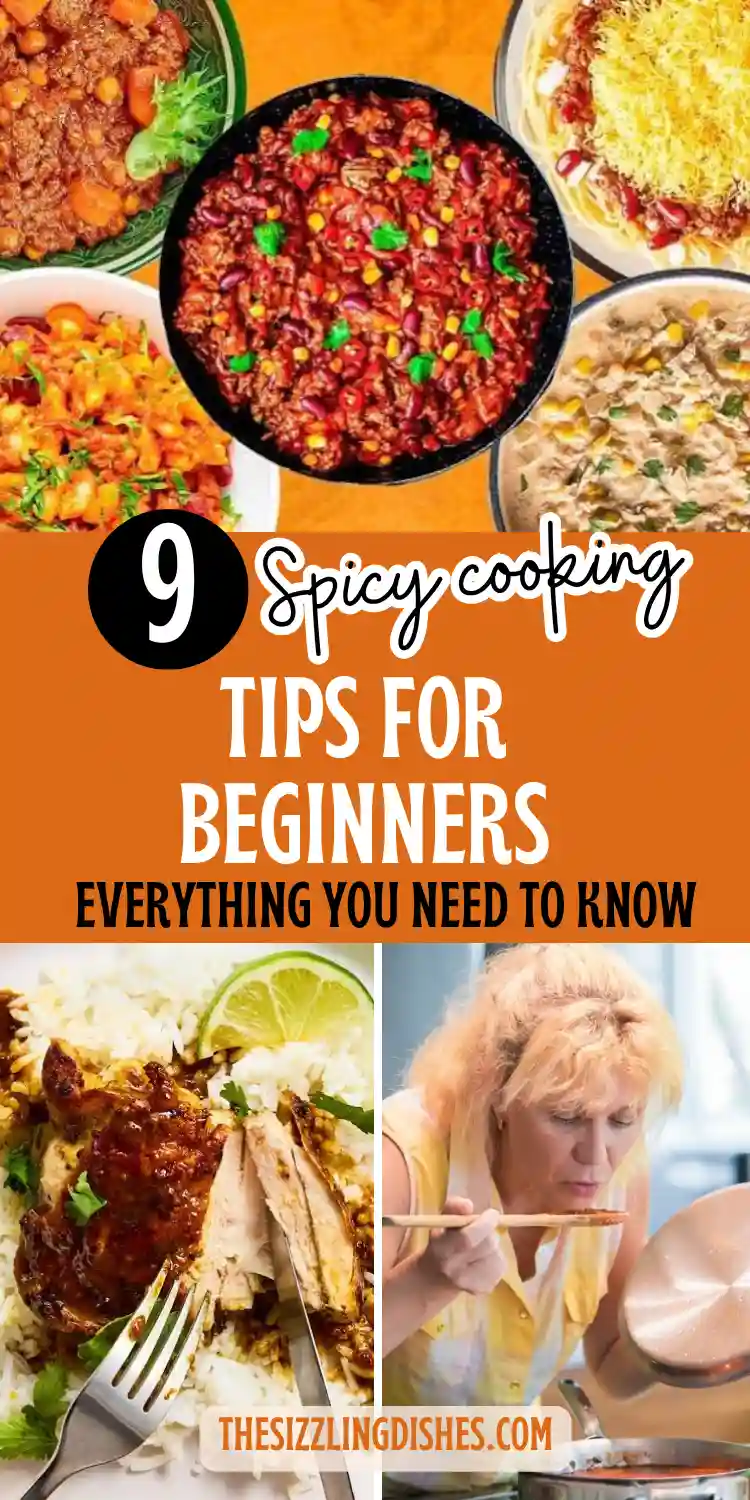
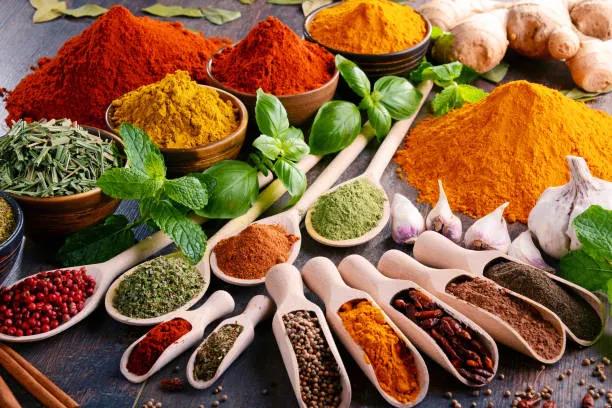
That smell. Garlic and red pepper flakes hitting warm olive oil, the aroma blooming through your kitchen. It’s the scent of something exciting, something that turns a regular Tuesday dinner into a meal worth remembering. So many home cooks are afraid of spicy food. They think it’s all about heat and pain, or they’re worried about ruining a dish by adding too much. The result? A lot of bland, “safe” meals that leave you reaching for the hot sauce anyway. Here’s the thing: spicy cooking for beginners isn’t about adding pain. It’s about layering flavor, depth, and excitement. It’s about understanding the Scoville Scale as a guide, not a challenge. You don’t have to be a fire-breathing chili head to enjoy a well-spiced dish.
I remember the first time I added a tiny pinch of cayenne to a pot of chili that had always tasted flat. That small change woke up the whole dish. Suddenly, the chili had dimension. The flavors popped. And I realized I’d been playing it too safe for years. By the end of this guide, you’ll understand the “why” behind spicy cooking. You’ll learn the essential pantry staples, master key techniques like blooming spices, and have a foolproof blueprint for your first easy spicy recipe. No more bland dinners. No more fear of the spice rack.
Why You’ll Love This Guide
- Builds Confidence: Learn to cook with spices without the fear of making it “too hot.” You control the heat, not the other way around .
- Boosts Flavor: Unlock a whole new world of taste with simple techniques that transform basic ingredients .
- Customizable Heat: Master the skills to adjust any recipe to your own perfect spice level.
- Quick & Easy: Discover how simple spices can transform a meal in minutes, not hours .
- Pantry-Friendly: Start with a few key ingredients that are readily available and affordable.
The Spice Rack: Your Starter Toolkit
You don’t need a hundred spices to cook with heat. You need a few good ones that do different jobs. Let’s break down the basics.
The Core Four (Ground Spices)
These are your foundation. Start here and you can cook just about anything with a kick.
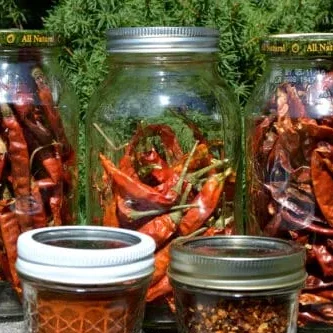
Crushed Red Pepper brings mild, bright heat. It’s the flake you shake over pizza and pasta. It’s forgiving, so it’s great for beginners.
Smoked Paprika adds warmth and smoky depth without much burn at all. Think of it as the “flavor first” spice. It makes everything taste richer.
Chili Powder is a blend of mild chili, cumin, onion, and garlic powders. It’s savory and earthy, perfect for taco meat, chili, and sheet pan dinners .
Cayenne Pepper offers sharp, focused heat. This one is strong, so start with a tiny pinch and work your way up. You can always add more, but you cannot pull heat back out once it is in the pan .
The Game Changers (Sauces & Pastes)
These bring more than just heat. They add depth, funk, and complexity.
Sriracha is garlicky with a touch of sweetness. It’s versatile and crowd-pleasing. Stir it into mayo for a quick spicy spread or whisk it into yogurt for a dipping sauce .
Gochujang is a fermented Korean chili paste. It’s more funky and complex than it is simply spicy. It brings umami and a slight sweetness. Look for Chung Jung One brand, which is widely available .
Harissa is a smoky North African chili paste. It’s warm and aromatic, great for roasted vegetables, stews, or thinned with olive oil as a marinade .
Chipotle Peppers in Adobo are smoked jalapeños packed in a tangy, slightly sweet sauce. They’re deeply smoky and savory, not just hot. A little goes a long way .
The Fresh Heat
Fresh chilies give dishes a bright, direct bite that dried spices can’t replicate.
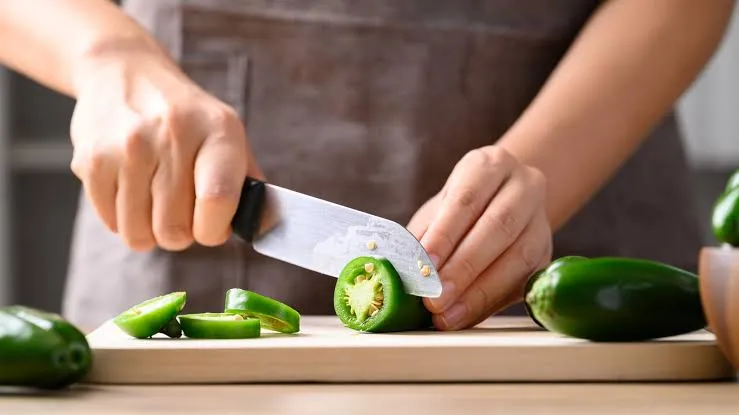
Jalapeños are milder and great for beginners. Serranos are hotter with a clean, crisp heat. Crucial note: The seeds and white membranes hold most of the heat. Remove them for flavor without the fire .
Equipment You’ll Need
Nothing fancy here. You probably already have what you need.
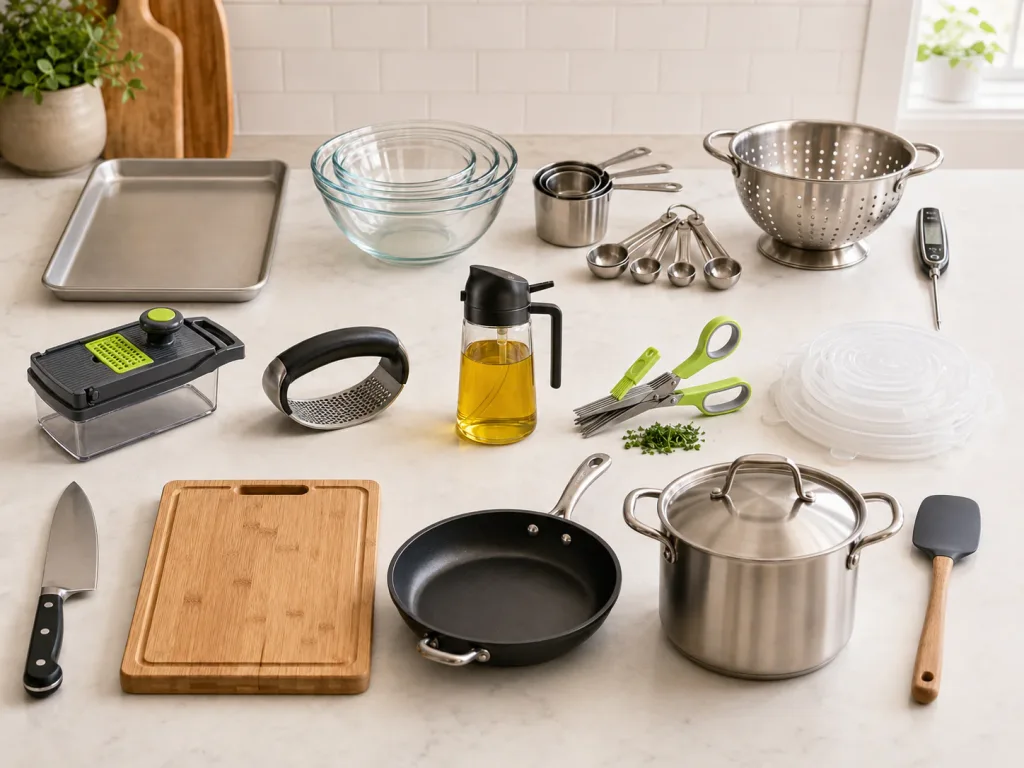
- A small skillet (for toasting and blooming spices).
- A good chef’s knife and cutting board.
- A Microplane is great for zesting lime or grating fresh ginger.
- (Optional but nice) A mortar and pestle or a coffee/spice grinder for whole spices, though pre-ground is fine for beginners.
- Pro Tip: Wear latex or nitrile gloves when handling fresh hot peppers. This prevents capsaicin from transferring to your skin and, more importantly, your eyes .
How to Build a Spicy Dish: Step-by-Step
This is the heart of the guide. Follow these steps and you’ll have a foolproof method for any spicy dish.
1. Start with Aromatics
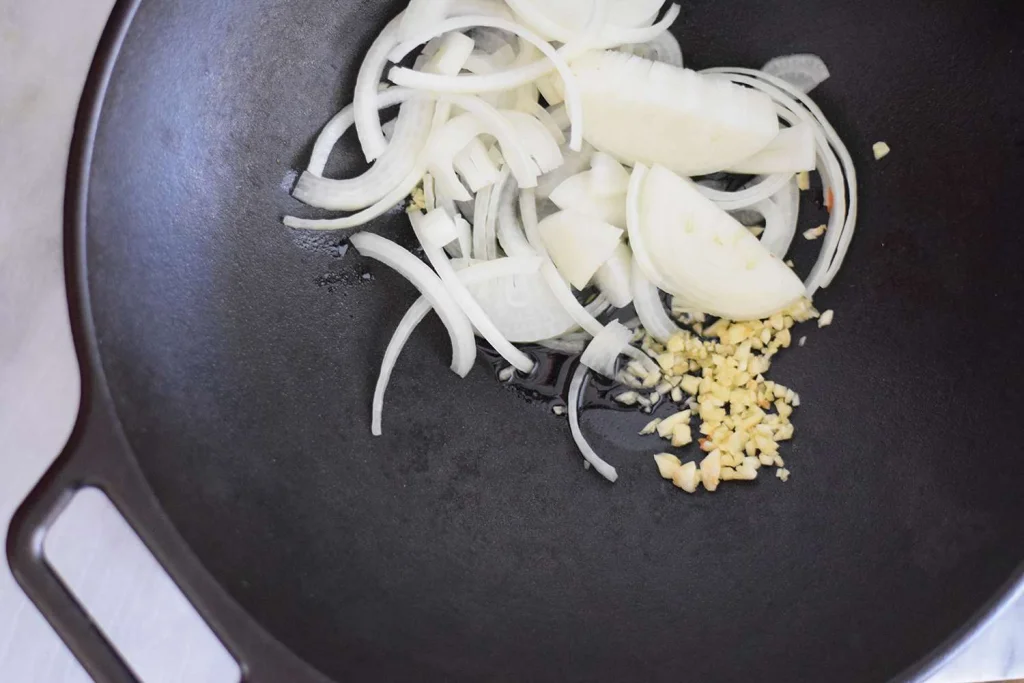
Heat your cooking oil (olive, vegetable, or coconut) over medium heat. Add minced garlic, onion, and ginger. Cook until fragrant and soft, about 3-5 minutes. This creates the flavor base that will carry the spice .
2. Bloom Your Spices
Add your ground spices (chili powder, cumin, paprika) to the hot oil. Stir constantly for 30-60 seconds until they become fragrant. This “wakes them up” and releases their oils, creating a deeper flavor than just adding them to liquid .
Don’t worry if it looks like a paste; it’s supposed to. Just keep stirring so nothing burns.
3. Build Your Base
Add your main ingredients (protein, vegetables) and any liquid (stock, tomatoes). Cook until everything is combined and the liquid is simmering.
4. Add Fresh Chilies Early or Late
For a deep, integrated heat, add fresh chilies (like jalapeños) earlier in the cooking process. For a bright, “fresh” heat, add them towards the end .
5. Taste and Adjust
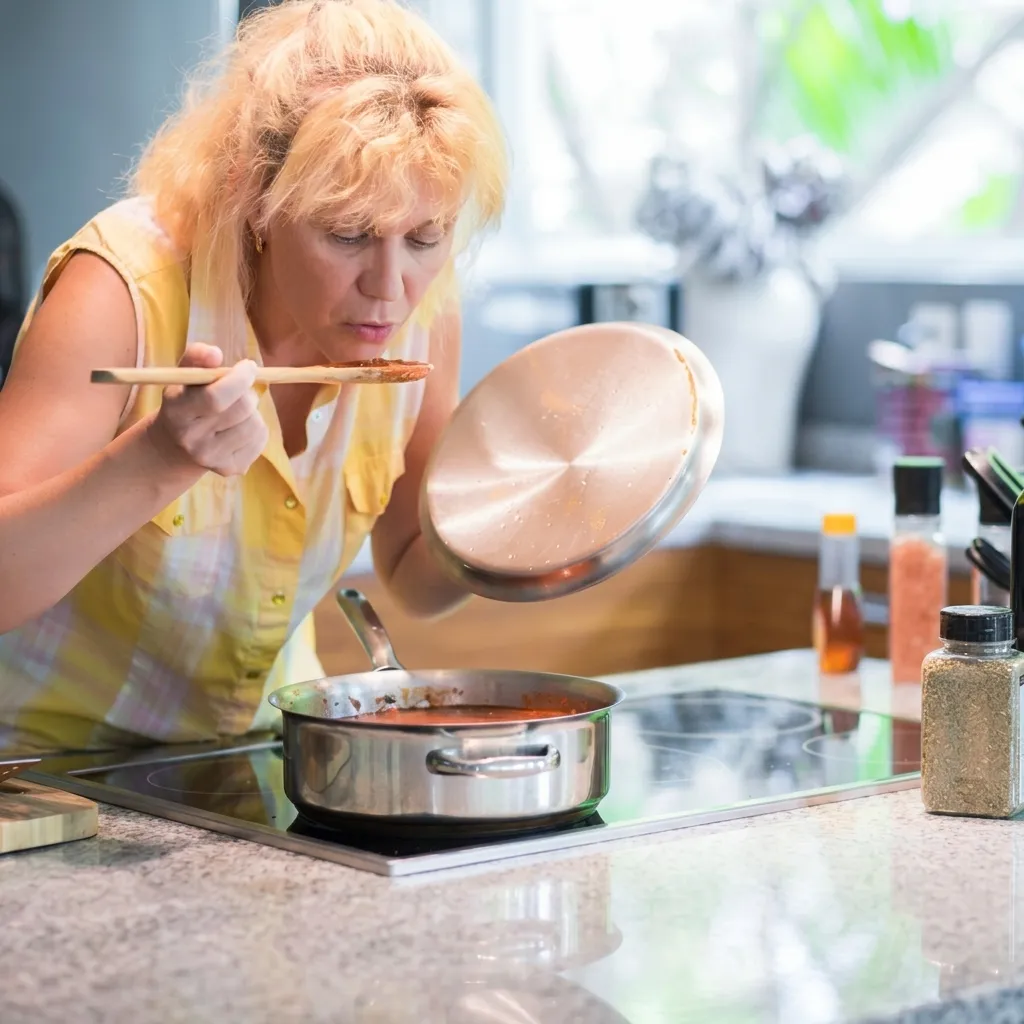
This is the most important rule of spicy cooking. Taste the dish as you go. Is it missing something?
- Add a pinch of salt (it brings out the spice).
- Add a squeeze of lime (acid balances heat).
- Add a touch of honey or sugar (sweetness tames the burn) .
6. Finish with Acidity
A final squeeze of fresh lime or lemon juice at the end will brighten all the flavors. It’s the secret to making a spicy dish taste balanced and complete, not just hot .
Common Mistakes to Avoid (and How to Fix Them)
Mistake: Adding too much spice at once.
Tip: Less is more. You can always add more heat, but you can’t take it out . Start with half of what you think you need and work your way up.
Mistake: Using water to cool your mouth.
Tip: Capsaicin (the chemical that makes food spicy) is fat-soluble, not water-soluble . Water just spreads the fire around. Reach for dairy—milk, yogurt, or sour cream—to bind with the capsaicin and put out the flames .
Mistake: Not balancing the heat.
Tip: Spice is one of five pillars of taste. If a dish is too spicy, balance it with acidity (vinegar, lime) or sweetness (sugar, honey). If it’s a rich dish, the fat will naturally mellow the heat .
Mistake: Storing spices near the stove.
Tip: Heat, light, and humidity are the enemies of spice. Store your spices in a cool, dark place in airtight containers. Replace ground spices every year for the best flavor .
Variations to Try
The Global Twist
Swap out chili powder for a teaspoon of Gochujang for a Korean-inspired dish, or use Harissa paste with some cumin for a North African flavor profile .
Protein Swaps
Spicy cooking works with everything. Try this method with ground turkey, firm tofu (pressed and crumbled), or tempeh. Shrimp is another great fast-cooking option .
Spice Level Customization
- For a “Mild” version: Use only smoked paprika. No cayenne or fresh chilies needed.
- For “Medium”: Add a pinch of cayenne or one deseeded jalapeño.
- For “Hot”: Keep the seeds in the jalapeño and add an extra pinch of cayenne or red pepper flakes .
Storage, Reheating, and Make-Ahead
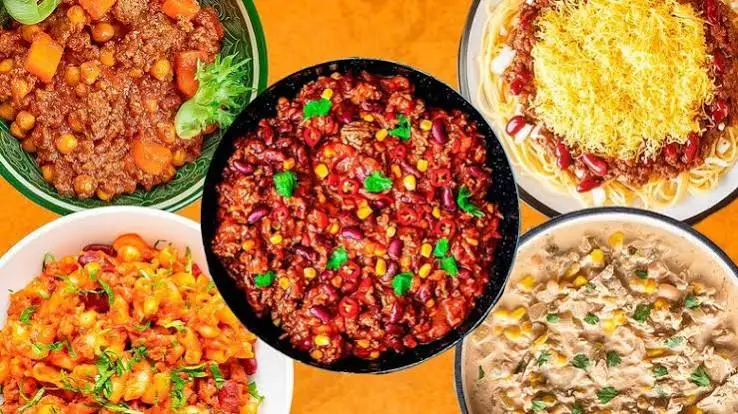
Spicy dishes (chili, curries, stews) often taste better the next day as flavors meld . Cool and store in the fridge for up to 3 days or freeze for up to 3 months. Reheat gently on the stovetop to prevent scorching. And remember to follow food safety guidelines: leftovers should be refrigerated within two hours .
What to Serve with Spicy Food
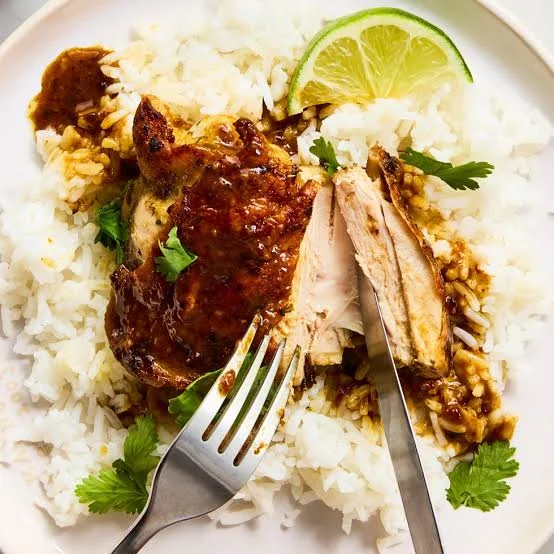
- For Cooling: Serve with plain white or brown rice (Mahatma® Rice is a great base for soaking up sauces), or a dollop of sour cream or plain yogurt to counter the heat .
- For Crunch: Top with fresh cilantro, green onions, or crushed tortilla chips.
- For Sides: Cornbread, a simple green salad with a lime vinaigrette, or warm tortillas .
FAQ
How do I increase my spice tolerance?
Gradually. Start with milder foods and slowly increase the heat over time. Your taste buds adapt. It’s a “slow burn, not a flash in the pan” .
What is the Scoville Scale?
It measures the heat of chili peppers. Bell peppers are 0, jalapeños are 2,500-8,000 SHU, and habaneros can be up to 350,000 SHU . Use it as a guide, not a challenge.
Can I make a dish spicier after it’s cooked?
Yes! Add a pinch of cayenne, chili flakes, or your favorite hot sauce at the end. A drizzle of chili oil is also fantastic .
Is spicy food good for you?
Capsaicin has been linked to certain measures related to metabolism and heart health. That said, more research is needed and the data does not prove cause and effect . The real benefit is the joy of eating delicious food.
Is it better to use fresh or dried chilies?
Both! Fresh chilies give you a bright, immediate heat. Dried chilies, especially when bloomed, provide a deeper, smoky, and more complex flavor .
Your First Weeknight Spicy Skillet (Template)
Description: A foolproof template for a fast, flavorful, and spicy skillet dinner. This basic guide teaches you the “heat, bloom, layer, and balance” technique, perfect for chicken, shrimp, tofu, or chickpeas.
Prep Time: 10 mins
Cook Time: 20 mins
Total Time: 30 mins
Servings: 4
Ingredients (The Pantry Base):
- 2 tbsp neutral cooking oil
- 1 medium onion, diced
- 3 cloves garlic, minced
- 1 tbsp fresh ginger, grated (optional but great)
- 1-2 tbsp of your chosen spice blend (e.g., chili powder, cumin, paprika, cayenne)
- 1.5 lbs of your chosen protein (chicken breast, shrimp, ground meat, or a can of chickpeas)
- 1 can (14.5 oz) crushed tomatoes or 1 cup of broth
- Salt to taste
- Fresh lime juice for finishing.
Instructions:
- Heat oil in a large skillet over medium heat. Add onion and cook until soft. Add garlic and ginger and cook for 1 minute.
- Add your spice blend and cook, stirring, for 30-60 seconds until fragrant.
- Add your protein and cook until browned. (For this “template,” you would add your specific cooking instructions for the protein here).
- Add tomatoes or broth, bring to a simmer, and cook until the sauce thickens and the flavors meld.
- Season with salt. Finish with a squeeze of fresh lime juice.
Notes: This is the base. Add in a fresh jalapeño for more heat, a bell pepper for sweetness, or a can of black beans for extra protein.
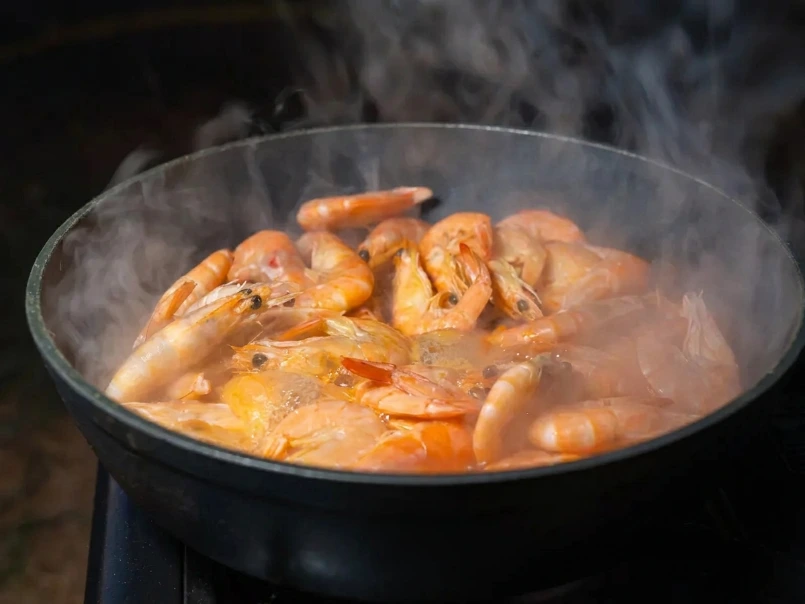
Spicy cooking for beginners doesn’t have to be intimidating. With a few simple tools, some pantry staples, and a clear method, you can turn any boring dinner into something exciting. Start with a pinch. Taste as you go. And remember: you’re in control of the heat, not the other way around.
The best part? Once you learn these basics, you can apply them to almost any dish. That same “heat, bloom, layer, and balance” method works for chili, curries, stir-fries, and so much more. So grab your spices, pick a protein, and give it a try. Your taste buds will thank you.
Did you find this guide helpful? Rate it below, share a comment about your favorite way to add heat, or pin this article for later. And if you’re feeling brave, try one of the variations and let us know how it turned out!