Fresh vs Dried Chilies: When to Use Each
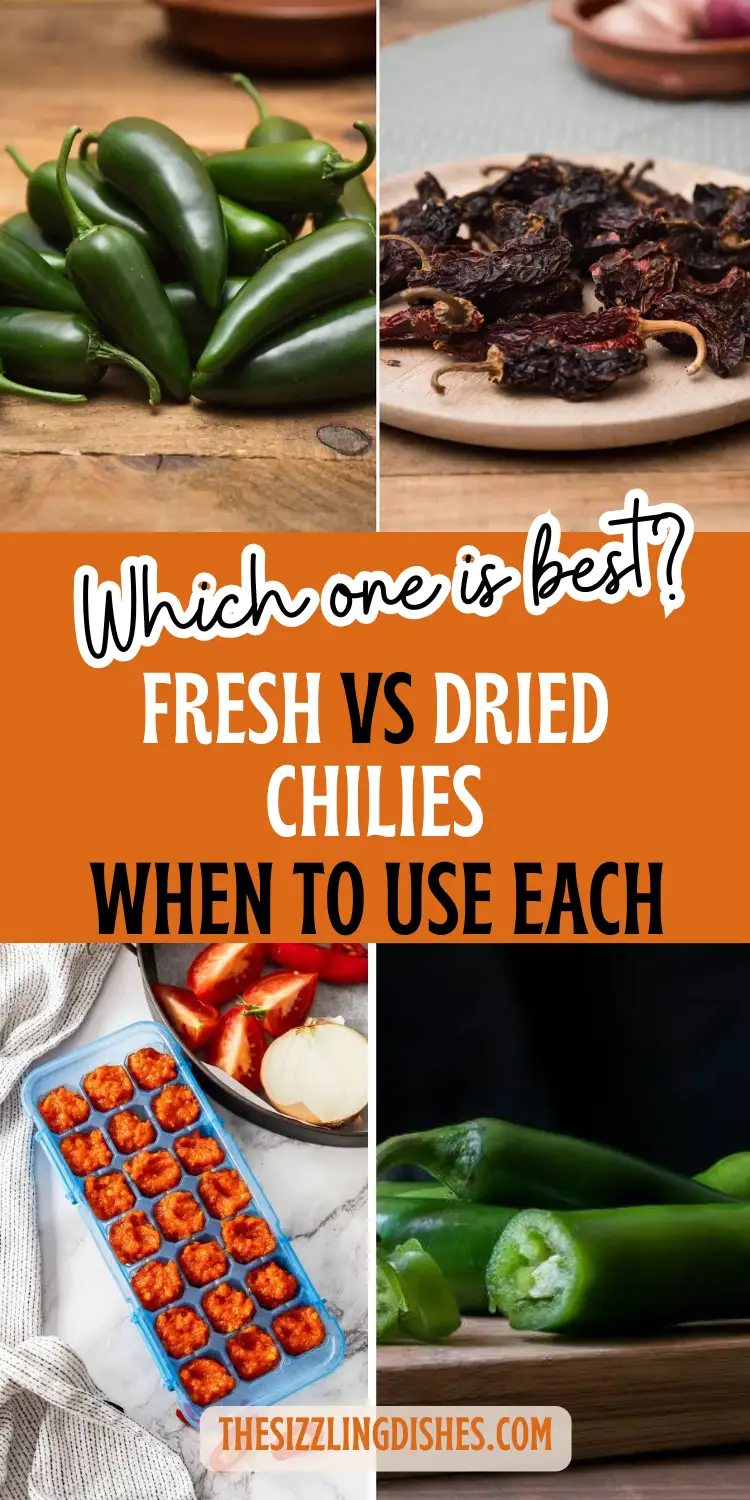
You open a recipe that calls for “two dried ancho chilies.” You look in your pantry. All you have is fresh jalapeños from the store. Close enough, right?
The answer is no. And that’s exactly why you’re reading this.
Fresh and dried chilies are not the same thing. They don’t taste the same. They don’t cook the same. And using the wrong one can turn your dish from something amazing into something you want to throw out.
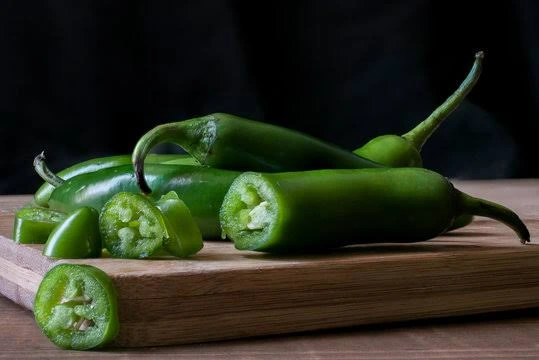
This guide will explain the difference between fresh chilies vs dried chilies. You will learn when to use each one. You will also get a simple technique that works for both forms. By the end, you will know exactly what to grab at the store and how to use it properly.
Why This Matters More Than You Think
Chilies have been part of cooking for over 6,000 years. People figured out long ago that drying changes everything. Drying makes chilies taste different. It changes their texture. It even changes how much heat they deliver.
Think about fresh grapes compared to raisins. They start as the same thing. But they end up completely different. One is juicy and bright. The other is concentrated, sweet, and chewy. That is the same thing that happens when a chili goes from fresh to dried.
Why You Will Love This Guide
- No more guessing. You will know exactly when to grab fresh and when to reach for dried.
- Better flavor. You will learn the difference between bright heat and deep, smoky warmth.
- Tips from people who cook for a living. These are techniques from real test kitchens and pro chefs.
- Shop smarter. You will know what to look for when buying either form.
- Quick reference. You will be able to make the right call in seconds.
The Basic Difference Between Fresh and Dried Chilies
Here is what changes when a chili goes from fresh to dried:
| Fresh Chilies | Dried Chilies | |
|---|---|---|
| Texture | Firm, crisp, juicy | Leathery, wrinkled, brittle |
| Flavor | Bright, grassy, sharp | Deep, smoky, sweet, earthy |
| Heat | Sharp, immediate burn | Slow-building, rounded warmth |
| Best for | Salsas, garnishes, quick-cooking dishes | Stews, braises, sauces, spice rubs |
| Shelf life | 1-2 weeks | Up to 1 year |
Drying removes water. When water goes away, flavors concentrate. Sugars become more noticeable. New flavors appear through chemical changes that happen during drying.
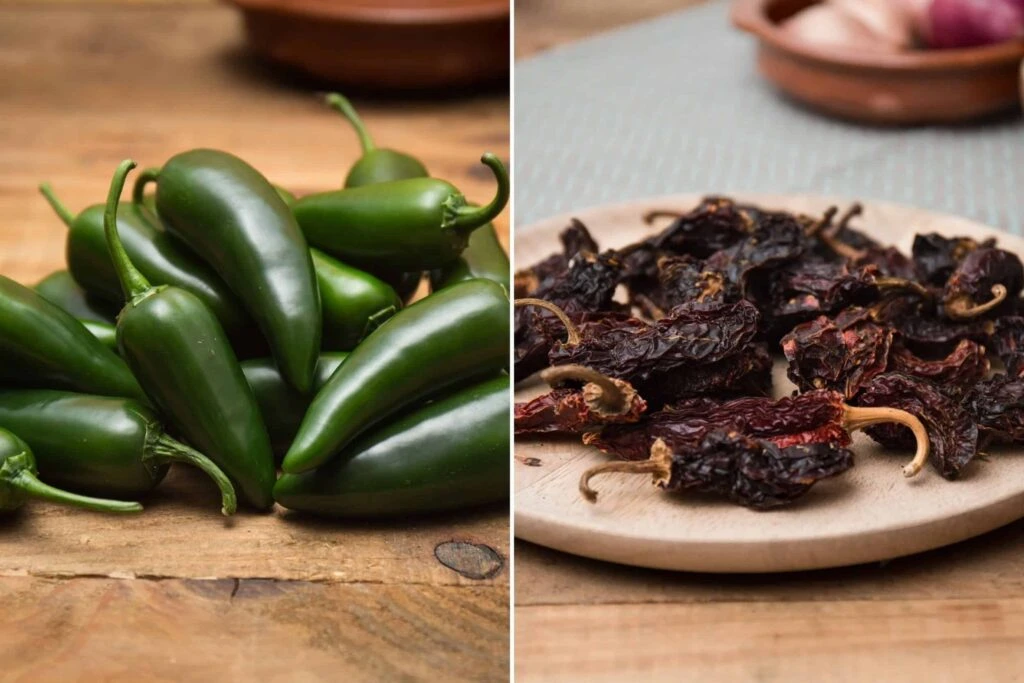
The heat also changes. Drying doubles the capsaicin by weight. But because you usually use less dried chili by weight, the total heat in your dish might end up similar. What changes is how that heat hits your mouth.
Common Fresh and Dried Chili Pairs
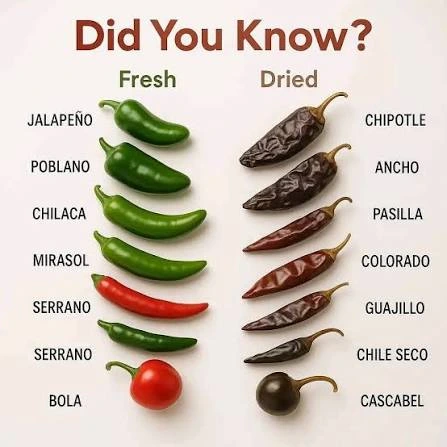
Many chilies have both a fresh and dried form. Here are the most common ones you will see in recipes:
| Fresh Chili | Dried Form | Flavor Change |
|---|---|---|
| Jalapeño | Chipotle (smoked dried) | Smoky, intense, sweet |
| Poblano | Ancho | Raisin-like, sweet, earthy |
| Chilaca | Pasilla | Tangy, tea-like, dark |
| Habanero | Dried habanero | Fruity, concentrated heat |
Knowing these pairs helps you understand what a recipe wants. When a recipe asks for ancho, it wants that sweet raisin depth. Using fresh poblano will give you something completely different.
Fresh Chili Cooking Tips
Fresh chilies are your go-to when you want brightness and immediate heat. They work best in dishes that cook quickly or that are served raw.
How to Prep Fresh Chilies
Start with washing. Rinse them under cool water. Pat them dry.
Decide on seeds. The white membrane inside holds the most heat. Remove the seeds and pith to reduce spiciness. Leave them in for more kick. Most of the heat is in the pith, not the seeds themselves, but the seeds can be bitter.
Cut safely. Capsaicin sticks to skin. Wash your hands with soap and warm water after handling. Better yet, use rubber gloves if you are working with hot varieties like habaneros.
Use the whole chili. You can chop, slice, dice, or leave them whole. The way you cut them changes how their heat releases.
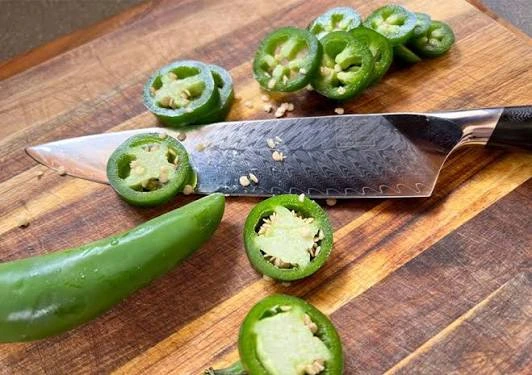
When to Use Fresh Chilies
Fresh chilies shine in:
- Salsas and pico de gallo. The bright, sharp heat balances tomatoes, onions, and cilantro.
- Stir-fries. They hold their shape and color. They add visual pop to the plate.
- Garnishes. Sliced fresh chilies on tacos, soups, and noodle dishes add freshness.
- Quick-cooking fish and chicken dishes. The heat infuses fast without overpowering delicate proteins.
How to Use Dried Chilies
Dried chilies give you deep, complex flavor. They take more work, but they reward that work with incredible depth.
How to Prep Dried Chilies
Step 1: Toast them. This is not optional if you want the best flavor. Heat a dry skillet over medium heat. Place the chilies flat in the pan. Toast for 30 to 60 seconds per side. The chilies will puff slightly and become fragrant. They should smell nutty and sweet.
Do not walk away. Do not scroll on your phone. They burn fast, and burnt chilies ruin your whole dish. Pull them the second you smell that toasty aroma.
Step 2: Rehydrate them. Put the toasted chilies in a heatproof bowl. Pour boiling water over them until they are covered. Put a small plate on top to keep them submerged. Let them soak for 20 to 30 minutes. They should become soft and pliable.
Step 3: Remove seeds and stems. Cut off the stems. Slit the chilies open. Scrape out the seeds and the pale inner ribs. These parts are bitter and add nothing good to your dish.
Step 4: Blend them. Put the rehydrated chilies in a blender. Add about one cup of the soaking liquid. Blend until completely smooth. This paste is flavor gold.
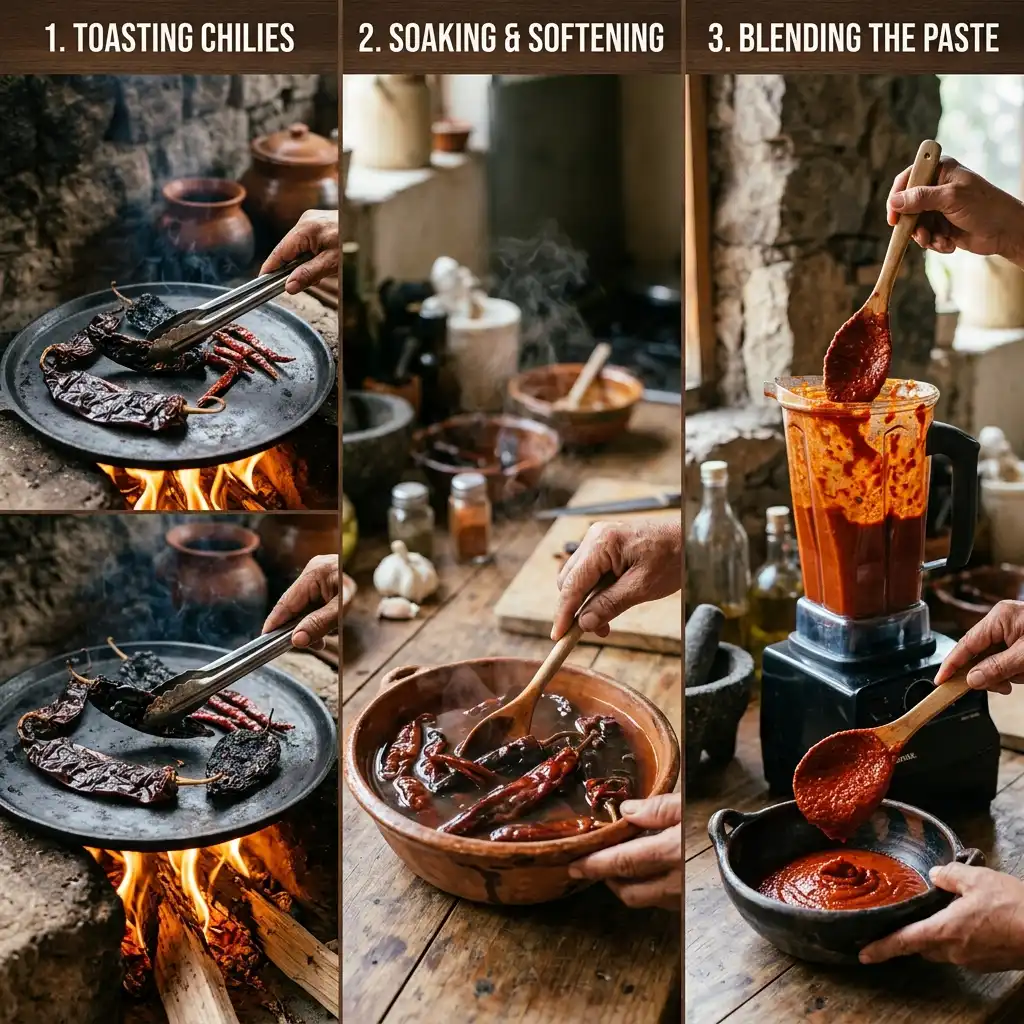
When to Use Dried Chilies
Dried chilies are essential for:
- Stews and braises. Their deep flavor holds up to long cooking times. Think chili con carne, birria, and other slow-cooked dishes.
- Mole and enchilada sauces. These classic sauces depend on the complexity of multiple dried chilies.
- Barbecue rubs. Ground dried chilies add smoky depth without extra liquid.
- Marinades. Rehydrated dried chilies blend into pastes that stick to meat and infuse flavor.
The Basic Chili Paste Technique
This simple technique works with both fresh and dried chilies. It shows you exactly how each form behaves. Use it as a foundation for sauces, stews, and marinades.
Ingredients
| Ingredient | US | Metric |
|---|---|---|
| Dried ancho or guajillo chilies | 3-4 pods | 3-4 pods |
| Boiling water | 1½ cups | 360 ml |
| Fresh jalapeño or serrano | 1 medium | 1 medium |
| Garlic cloves | 2 | 2 |
| Onion | ½ medium | ½ medium |
| Olive oil | 2 tbsp | 30 ml |
| Salt | To taste | To taste |
Notes on ingredients:
Dried ancho chilies. These are dried poblanos. They taste sweet and smoky with a raisin-like depth. They are one of the most common dried chilies in Mexican cooking.
Fresh jalapeño. This gives bright, grassy heat. It is perfect for quick salsas and garnishes.
Guajillo. If you choose guajillo, know it has a tangy, tea-like flavor with a brick-red color. It is another workhorse in Mexican red sauces.
Substitutions:
- All chilies are naturally gluten-free and vegan.
- For low-carb diets, chilies are already low in carbs. You can skip the onion if you want to reduce carbs further.
Equipment needed:
- Dry skillet, preferably cast iron
- Blender or food processor
- Heatproof bowl
- Knife and cutting board
- Rubber gloves, optional but recommended
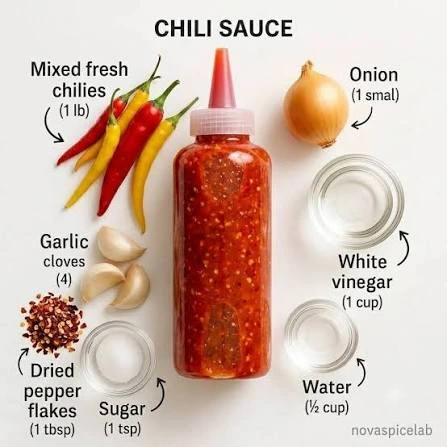
Step-by-Step Instructions
1. Toast the dried chilies. Place a dry skillet over medium heat. Lay the dried chilies flat in a single layer. Toast for 30 to 60 seconds per side. The chilies should smell fragrant and look slightly puffed. They might have a few darker spots. That is fine. What is not fine is burning them. Burnt chilies taste like ash.
2. Rehydrate the dried chilies. Transfer the toasted chilies to a heatproof bowl. Pour boiling water over them until they are fully covered. Use a small plate to weigh them down. Soak for 20 to 30 minutes. The chilies should become soft and flexible.
3. Remove seeds and stems. Once the chilies are soft, cut off the stems. Slit each chili open. Remove the seeds and the pale inner ribs. Do not stress if a few seeds remain. Just get most of them out.
4. Blend into a paste. Transfer the rehydrated chilies to a blender. Add about one cup of the soaking liquid. Blend until the mixture is completely smooth. This paste will be deep red and intensely aromatic.
5. Sauté the fresh chilies and aromatics. Dice the fresh jalapeño, onion, and garlic. Heat the olive oil in a pan over medium heat. Add the diced ingredients. Sauté for 5 to 7 minutes. They should become soft and fragrant. The onion should turn translucent.
6. Combine and simmer. Add the chili paste to the pan with the sautéed vegetables. Stir to combine. Let it simmer for 15 to 20 minutes. This gives the flavors time to meld. Taste and adjust the salt.
How it should look: The final paste should be deep red and glossy. It should smell intensely smoky and sweet. It should coat the back of a spoon. If it looks thin, simmer it a few more minutes to reduce.
Common Mistakes to Avoid
Burning dried chilies. Toasting brings out flavor. Burning makes everything bitter. Watch the pan like a hawk. The moment you smell that nutty aroma, pull them off the heat.
Skipping the toasting step. You can skip it. But your sauce will taste flat and one-note. Toasting is worth the 60 seconds it takes.
Keeping the seeds and pith. The inner membrane holds most of the heat and bitter compounds. Removing it gives you cleaner flavor. You can control the heat better this way.
Using old, brittle dried chilies. Dried chilies should be pliable like a raisin. If they snap like a twig, they have lost their oils and flavor. Throw them out and buy fresh ones.
Not washing your hands after handling fresh chilies. Capsaicin stays on your skin. It will burn your eyes and other sensitive areas. Wash with soap and warm water. Or better yet, wear gloves.
Undercooking fresh chilies. Fresh chilies need at least a few minutes of heat to release their flavor. Raw chilies taste harsh. Cooked chilies taste bright and complex.
Ways to Change It Up
Make it mild. Use only ancho chilies. They are on the lower end of the heat scale at 1,000 to 1,500 Scoville units. Remove all seeds and pith. Your paste will be sweet and smoky without much heat.
Make it spicy. Add dried árbol chilies for sharp heat. Use chipotle for smoky heat. Both bring serious kick.
Make it smoky. Use chipotle chilies instead of ancho. Chipotles are smoked jalapeños. They taste like barbecue in chili form.
Quick weeknight shortcut. Skip the toasting and rehydrating. Use three tablespoons of good-quality chili powder instead. It won’t be as deep, but it will get dinner on the table faster.
How to Store Chilies
Fresh chilies. Keep them unwashed in a breathable produce bag. Put them in the crisper drawer. They will last one to two weeks. Do not put them in a sealed plastic bag or they will get moldy.
Dried chilies. Store them in an airtight container. Keep the container away from heat and light. They will last up to a year. They lose potency over time rather than going bad.
Chili paste. Refrigerate the paste in a covered container for up to one week. The flavor actually gets better after a day or two in the fridge.
Freezing chili paste. This paste freezes beautifully. Portion it into ice cube trays. Freeze the cubes. Transfer them to a bag. They will keep for up to three months. Thaw overnight in the refrigerator when you need some.
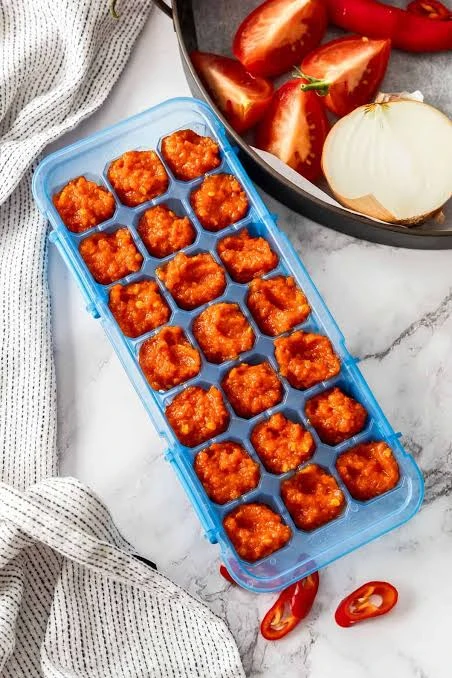
What to Make With Your Chili Paste
- Stews and braises. Use the paste as a base for beef or pork stew. The deep flavor of dried chilies is perfect for long-cooked meat.
- Tacos. Spread the paste on meat before grilling or frying. The bright heat of fresh chilies cuts through the richness of the taco fillings.
- Chili con carne. Use dried chilies as the base. Add fresh chilies as a finishing touch. You get the best of both worlds.
- Seafood and stir-fries. Fresh chilies hold their shape and color. They add visual pop and immediate heat to quick-cooking dishes.
- Enchiladas. Smother your enchiladas in the chili paste mixed with a little broth. This is a classic use for dried chilies.
Frequently Asked Questions
Can I substitute fresh chilies for dried in a recipe?
Generally no. They are different ingredients. Drying changes the flavor completely. Think of it like swapping fresh grapes for raisins. If you have no choice, use more fresh chilies and adjust the cooking time. But the result will be different.
How do I choose dried chilies at the store?
Look for soft, pliable pods that feel like a raisin. They should have deep, even color and smell fragrant. Avoid chilies that are brittle, dusty, or have no smell. Those have lost their oils and flavor.
Are dried chilies hotter than fresh?
Per gram, yes. Drying removes water and concentrates the capsaicin. But the heat feels different. Fresh chilies hit your mouth with sharp, immediate burn. Dried chilies give you slow, rounded warmth.
Do I need to remove seeds from chilies?
For dried chilies, yes. The seeds and inner pith contain bitter compounds and most of the heat. For fresh chilies, it depends on what you want. Remove the seeds for less heat. Leave them in if you want more kick.
How long do dried chilies last?
Up to a year when stored properly. Keep them in an airtight container away from heat and light. They slowly lose potency. They do not go bad in a way that will make you sick, but they stop tasting like much.
What is the difference between chili powder and whole dried chilies?
Commercial chili powder often contains cumin, oregano, and other spices. Whole dried chilies are pure. They deliver fresher, more complex flavor. There is no comparison.