Spicy Peanut Sauce Recipe That Works for Dinner Every Time
Why Everyone Keeps Coming Back to This Sauce
Spicy peanut sauce has a way of making simple dinners feel like something special. It’s creamy, a little salty, a little sweet, and has just enough heat to keep things interesting. It comes together fast, which matters on a weeknight.
This spicy peanut sauce recipe works across a lot of meals. Drizzle it over noodles, use it as a dipping sauce, pour it on grilled chicken or tofu, or toss it with a cold noodle salad. Once you have a jar of it in the fridge, you’ll find yourself reaching for it constantly.
Most versions you find online are either too sweet or too thin. This one gets the balance right. And the heat level is easy to adjust, so it works for the whole table.
Why This Recipe Works
Peanut butter does most of the heavy lifting here. It brings fat, richness, and body all at once. The acid from lime juice keeps the sauce from feeling too heavy. Soy sauce adds depth without extra effort. And chili brings the heat in a way that builds slowly instead of hitting all at once.
It’s also a no-cook sauce. Everything goes in a bowl, you whisk, done.
A Few Things That Make a Real Difference
The biggest mistake people make is skipping the warm water. Peanut butter straight from the jar is thick and stubborn. A few tablespoons of warm water loosen it up so everything blends smoothly. Don’t skip it.
Use natural peanut butter if you can. The kind with just peanuts and salt. The sweetened, stabilized versions throw off the balance and make the sauce cloying.
Taste as you go. This sauce rewards small adjustments. A little more lime if it feels flat. A little more soy if it needs salt. A tiny extra squeeze of honey if the heat is too forward.
Ingredients Needed
- 1/2 cup natural peanut butter (creamy works best, but chunky is fine)
- 3 tablespoons soy sauce (low sodium if preferred)
- 2 tablespoons fresh lime juice (about 1 lime, bottled works in a pinch)
- 1 tablespoon honey or maple syrup (maple keeps it vegan)
- 1 to 2 teaspoons chili garlic sauce or sambal oelek (start with 1, add more after tasting)
- 1 teaspoon sesame oil (toasted sesame oil is noticeably better here)
- 1 garlic clove, finely grated or minced
- 1 teaspoon fresh ginger, grated (optional but worth it)
- 3 to 5 tablespoons warm water (to loosen the sauce to your liking)
How to Make Spicy Peanut Sauce
Step 1: Combine the base
Add the peanut butter, soy sauce, lime juice, honey, chili garlic sauce, sesame oil, garlic, and ginger to a medium bowl. It’ll look thick and a little clumpy at this point. That’s normal.
Step 2: Whisk it together
Start whisking. It takes a little effort at first, but the sauce will come together within about 30 seconds. Keep going until it looks smooth and uniform.
Step 3: Add warm water to reach the right texture
Add warm water one tablespoon at a time, whisking after each addition. For a dipping sauce, stop at 3 tablespoons. For a noodle sauce or dressing, keep going until it pours easily. The sauce thickens as it sits, so go slightly thinner than you think you need.
Step 4: Taste and adjust
This is the step most people rush, and it’s the most important one. Take a small spoon and taste it. Does it need more acid? Add lime. More heat? More chili sauce. Too sharp? A small drizzle of honey smooths it out. This is where the sauce becomes yours.
How the Final Sauce Should Look
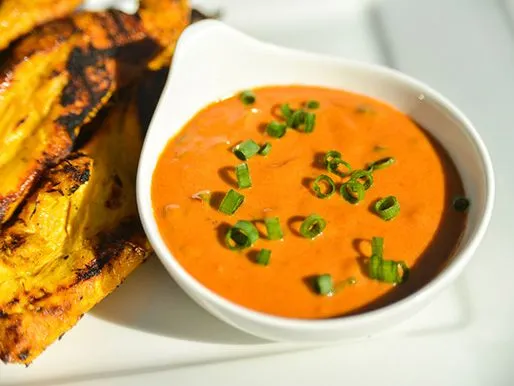
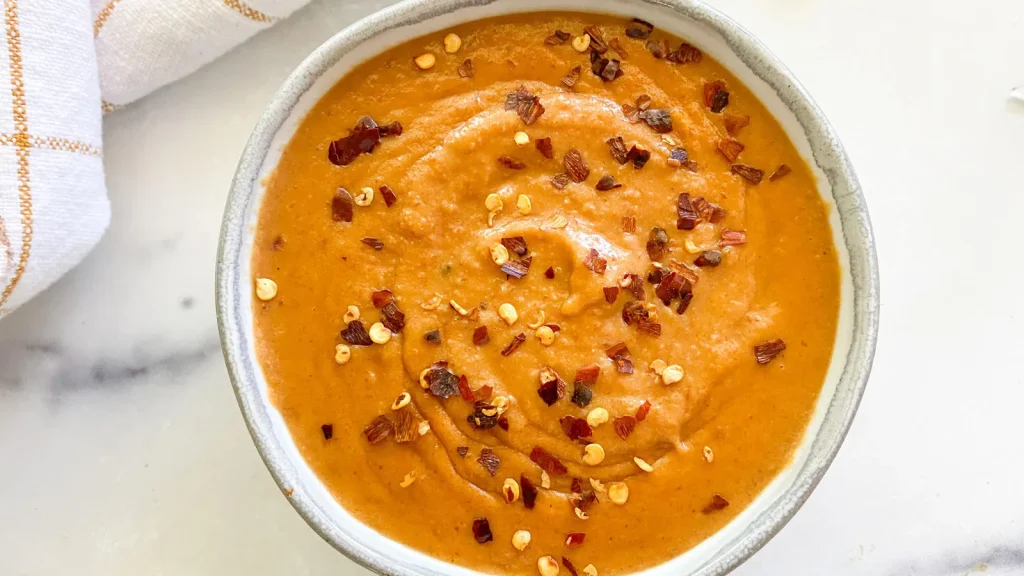
Good spicy peanut sauce is glossy and smooth. It should coat the back of a spoon but still pour without effort. The color is a warm tan with a slightly orange hue from the chili. It smells nutty and garlicky with a citrus edge.
If it looks separated or greasy, whisk in another tablespoon of warm water and it’ll come back together.
Occasions to Serve This
This sauce fits weeknight noodle bowls better than almost anything else. It also works well for weekend meal prep, since it keeps for days and makes everything faster. It’s a solid addition to a casual spread with spring rolls or grilled skewers. And if someone at the table doesn’t eat meat, this sauce makes a plain bowl of rice noodles and cucumber feel like an actual meal.
Cooking Tips
- Grate the garlic on a microplane instead of mincing it. The texture blends in cleanly and the flavor is sharper.
- Warm the peanut butter slightly in the microwave (10 to 15 seconds) if it’s very thick or cold. It makes whisking much easier.
- For meal prep, make a double batch. It keeps well and you’ll use it faster than expected.
- If the sauce is too spicy after tasting, a small spoonful of extra peanut butter will calm the heat without dulling the flavor.
Variations
Sunflower seed butter works as a swap for anyone with a nut allergy. The flavor is slightly different but the texture holds up well.
Coconut aminos can replace soy sauce for a gluten-free version. It’s a little sweeter, so reduce the honey slightly.
Rice vinegar instead of lime juice gives a softer, less citrusy acid note. Some people prefer it for noodle dishes.
Tahini can replace half the peanut butter for a more savory, less sweet result. It pairs especially well with grilled meats.
Serving Suggestions
Toss with cooked rice noodles or soba and top with shredded cucumber, carrots, and sesame seeds. Serve alongside grilled chicken thighs or crispy tofu. Use as a dipping sauce for summer rolls, cucumber slices, or roasted broccoli. Drizzle over a cold grain bowl with leftover vegetables.
A cast iron pan really is the best tool for getting a good sear on any protein you plan to serve alongside this, if you have one.
Storage Tips
Store in a sealed jar or container in the fridge for up to 7 days. The sauce will thicken in the cold. To loosen it, stir in warm water a little at a time until it reaches the right consistency again. It can also be warmed gently in a small saucepan over low heat.
It doesn’t freeze particularly well. The texture gets grainy after thawing. Fresh is best.
A Good Sauce Earns Its Place
This one earns its spot because it’s actually versatile. It’s not a one-dish sauce. Once you get the balance right on the first batch, the next one takes three minutes and you’ll already know exactly how you like it.
What would you like to add next? A FAQ section, a nutrition estimate, a Pinterest pin description, or a meta description?