What Is the Scoville Scale? A Beginner’s Guide
You’ve probably had that moment. You bite into what looks like a harmless pepper, and suddenly your mouth is on fire. Your forehead sweats. You’re reaching for anything cold, hoping for relief. That’s capsaicin at work—and the Scoville Scale is how we measure it .
If you’ve ever seen “Scoville Heat Units” on a hot sauce bottle or heard a pepper described as “100,000 SHU,” you might have wondered what those numbers actually mean. Is that hot? Should you be scared? This guide translates those numbers into real-world understanding so you can cook with confidence. You’ll learn exactly what the Scoville Scale measures, where common peppers fall on it, and how to use this knowledge in your kitchen.
Why You’ll Love This Guide
- Finally understand pepper labels — no more guessing what “medium heat” actually means
- Pick the right pepper for every dish, every time
- Learn the science behind that burning sensation (without the boring parts)
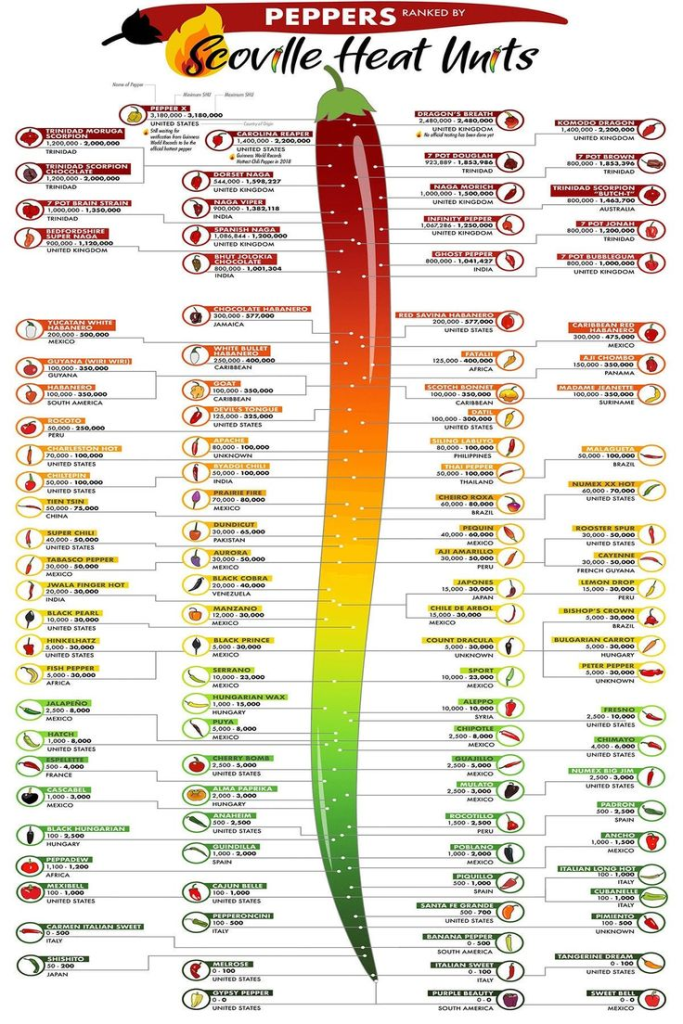
- Compare peppers at a glance with our clear heat chart
- Impress your friends with random food facts (Wilbur Scoville was a pharmacist!)
What Is the Scoville Scale?
The Scoville Scale is a measurement of pungency (spiciness) in chili peppers and other capsaicin-containing substances . It’s measured in Scoville Heat Units (SHU)—and the number represents how many times a pepper extract must be diluted before the heat is no longer detectable .
The scale was created in 1912 by a pharmacist named Wilbur Scoville and is still the standard for measuring pepper heat today .
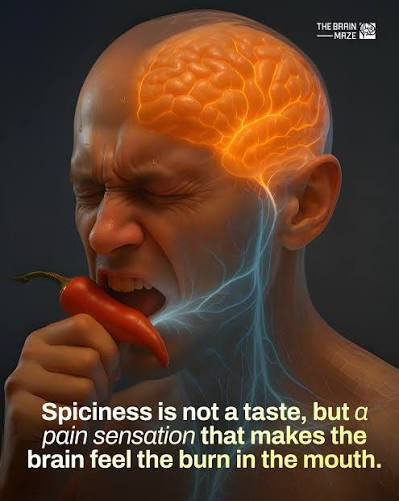
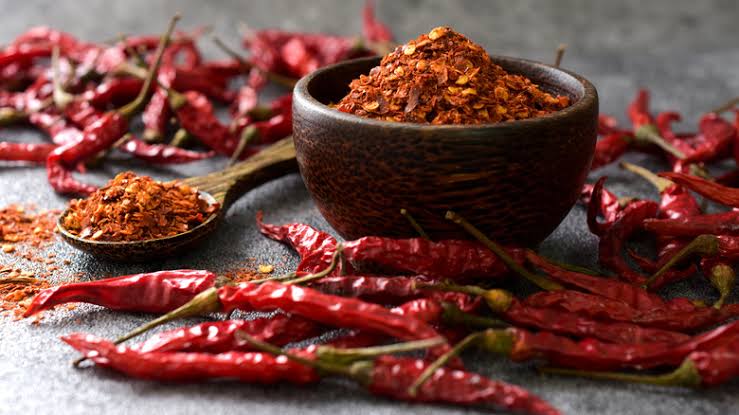
The science bit (keep it simple): Capsaicin is the chemical compound responsible for the burning sensation . When you eat a hot pepper, capsaicin binds to heat-sensing receptors in your mouth, triggering a false alarm that your mouth is literally on fire . That’s why you sweat and your eyes water—your body is trying to “cool down” a heat that isn’t actually there.
How Does the Scoville Test Actually Work?
Wilbur Scoville created what’s called the “Scoville Organoleptic Test” in 1912 . He dried peppers, ground them, mixed them with alcohol to extract capsaicin, and then diluted that solution in sugar water. A panel of trained tasters would sample increasingly diluted solutions until they could no longer detect any heat .
The number game: If a pepper required 2,000 dilutions before the heat disappeared, it was rated at 2,000 SHU . Simple in theory—but as you can imagine, human taste testers are… subjective.
Modern method: Today, food scientists use High-Performance Liquid Chromatography (HPLC) to measure capsaicin concentration directly . This is far more accurate and removes human bias. The results are then converted into Scoville units—but this is why you’ll often see peppers listed with a range (like jalapeños at 2,500–8,000 SHU) rather than a single number .
The Scoville Scale at a Glance
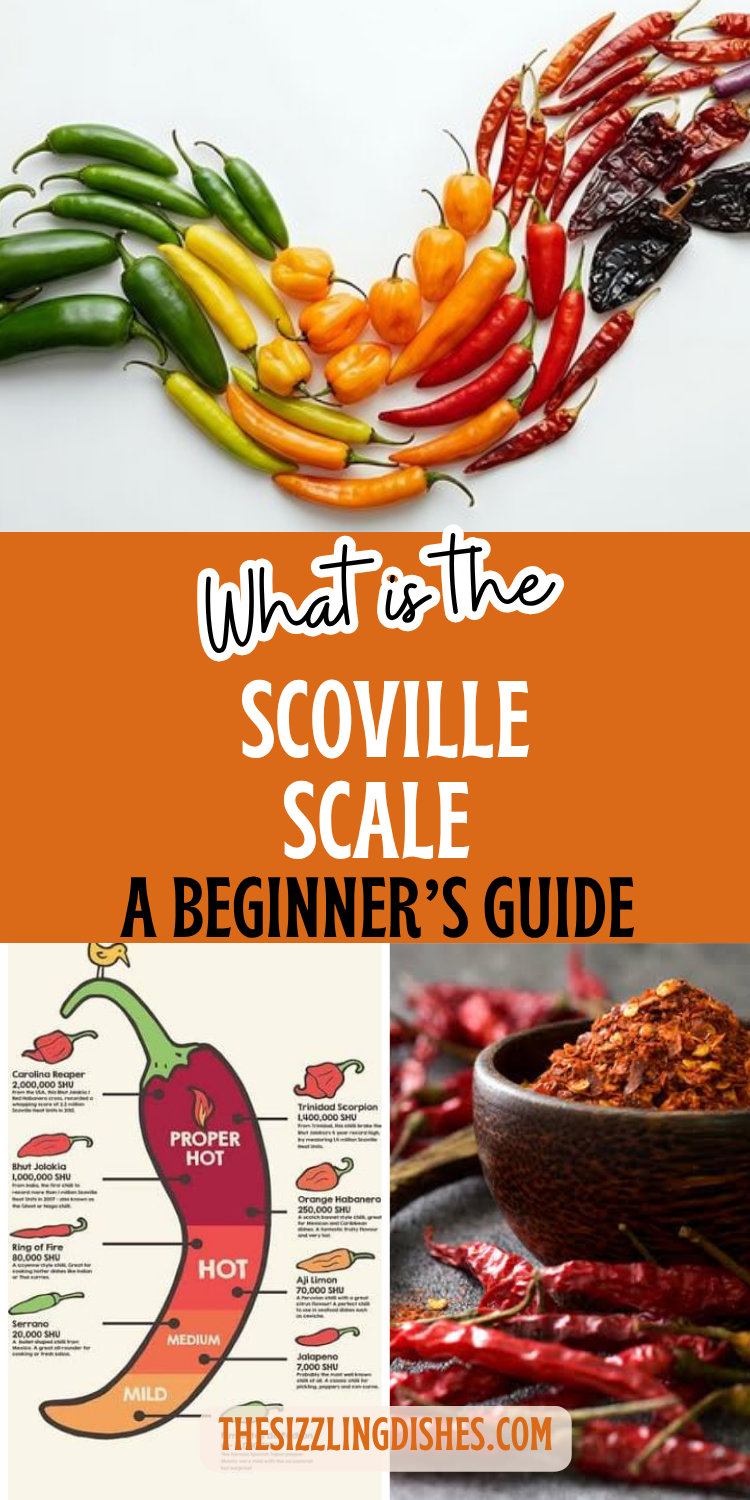
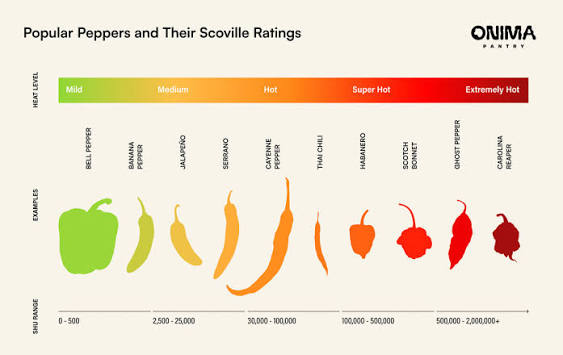
Here’s a clear, scannable chart to help you understand where common peppers fall. Categories are based on Food & Wine’s 2024 guide .
| Heat Level | SHU Range | Examples |
|---|---|---|
| Mild | 0–2,000 | Bell pepper (0), Poblano (1,000–2,000) |
| Mild Hot | 2,000–50,000 | Jalapeño (2,500–8,000), Serrano (10,000–25,000), Cayenne (30,000–50,000) |
| Hot | 50,000+ | Thai chiles (50,000–100,000) |
| Spicy Hot | 100,000+ | Scotch bonnet (100,000–325,000), Habanero (100,000–350,000) |
| Very Hot | 250,000+ | Habanero varieties overlap here |
| Really Hot | 500,000+ | Red Savina, Ghost pepper relatives |
| Fiery Hot | 1 million+ | Ghost pepper (~1,000,000) |
| Extreme Hot | 1.5 million+ | Carolina Reaper (1.64–2.2 million), Pepper X (2.69 million) |
For context, pure capsaicin measures 16 million SHU , and law enforcement pepper spray clocks in between 2–5.3 million SHU .
How to Use the Scoville Scale in the Kitchen
This is where things get practical.
1. Choosing peppers by heat
If you’re substituting serranos for jalapeños, remember serranos are 2–3x hotter (10,000–25,000 vs. 2,500–8,000 SHU) . Adjust the amount you use accordingly.
2. Managing the burn
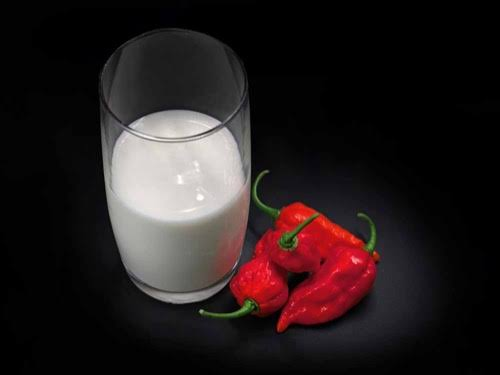
Water doesn’t help (capsaicin isn’t water-soluble). Reach for dairy—milk, yogurt, sour cream—or fats like oils and nut butters instead .
3. Handling hot peppers safely
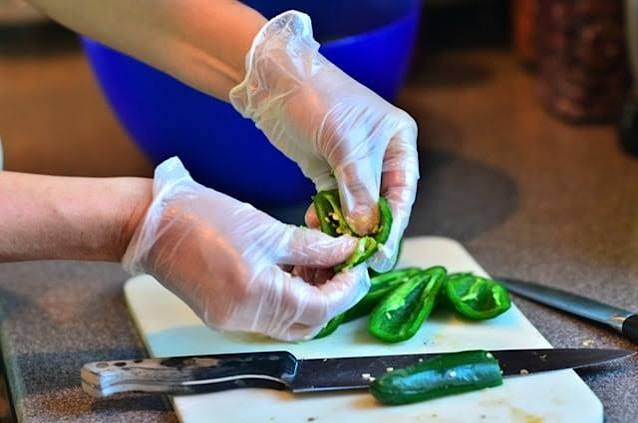
Capsaicin concentrates in the white pith (placenta) inside the pepper, not the seeds (though seeds often carry the heat from contact) . Remove the pith to reduce heat. Wear gloves when handling super-hots !
4. Taste as you go
When cooking with hot peppers, add a little at a time and taste. You can always add more heat—you can’t take it out.
Expert Tips & Common Mistakes
- Mistake: Touching your face after handling peppers. Wear gloves or wash hands thoroughly with soap and oil (capsaicin dissolves in oils, not water) .
- Mistake: Assuming “same pepper” = same heat. Growing conditions and natural variation mean two jalapeños from the same plant can vary wildly .
- Mistake: Reaching for water to cool the burn. Capsaicin isn’t water-soluble—you’re just spreading it around. Dairy or fatty foods are your friend .
- Mistake: Using the Scoville Scale as an absolute truth. It’s a helpful guide, not a scientific absolute. Numbers vary by source because of natural pepper variation and different testing methods .
- Tip: The pith is where the heat lives. Removing the white membrane inside a pepper dramatically reduces its heat—great for when you want flavor without the fire .
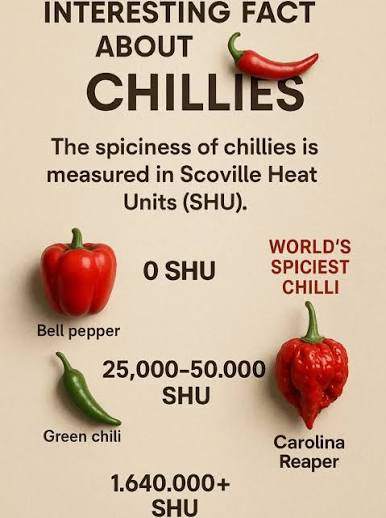
Popular Peppers by Scoville Rating
Quick-reference list showing ranges rather than single numbers:
- Bell pepper: 0 SHU
- Poblano: 1,000–2,000 SHU
- Jalapeño: 2,500–8,000 SHU
- Serrano: 10,000–25,000 SHU
- Cayenne: 30,000–50,000 SHU
- Thai: 50,000–100,000 SHU
- Scotch bonnet: 100,000–325,000 SHU
- Habanero: 100,000–350,000 SHU
- Ghost pepper: ~1,000,000 SHU
- Carolina Reaper: 1,640,000–2,200,000 SHU
- Pepper X: 2,690,000 SHU
Storage & Handling Tips
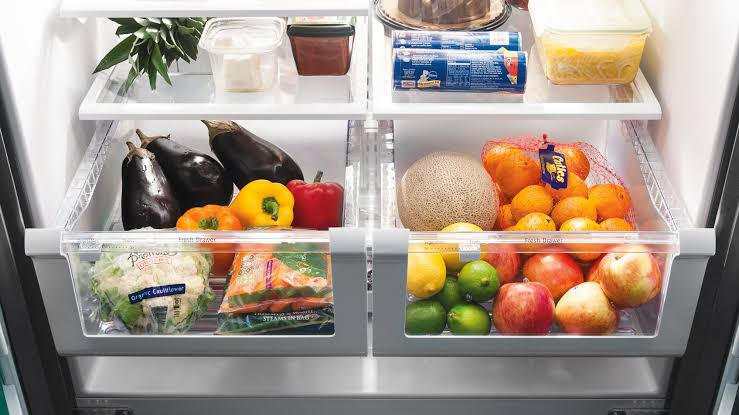
For fresh peppers: Store in the refrigerator crisper drawer. They’ll last 1–2 weeks, depending on variety—poblano and bell peppers longer, thin-walled chiles like Thai shorter.
For dried peppers: Store in an airtight container in a cool, dark place. They’ll keep for months.
Freezing: Whole peppers freeze well (no need to blanch). Use straight from frozen for cooking.
Handling caution: Capsaicin can irritate skin and eyes. Wear gloves when handling very hot peppers, and wash hands thoroughly with soap and oil afterward—oil dissolves capsaicin better than water alone .
Frequently Asked Questions
What is the hottest pepper in the world?
As of 2024–2026, Pepper X holds the record at 2.69 million SHU . Carolina Reaper (2.2 million SHU) and Dragon’s Breath are also contenders .
Is the Scoville Scale accurate?
It’s a helpful guide, not an exact science. Modern HPLC measurement is more accurate than the original taste-test method, but natural variation in peppers means ranges are normal .
What’s the Scoville rating of jalapeño?
2,500–8,000 SHU—a wide range because growing conditions and individual variation matter .
How do you reduce heat from a pepper?
Remove the white pith (membrane) inside the pepper—that’s where most capsaicin lives. The seeds themselves aren’t hot, but they often carry capsaicin from contact .
What’s the Scoville rating of pepper spray?
Law enforcement-grade spray measures 2–5.3 million SHU .
Why is the scale called “Scoville”?
Named after Wilbur Scoville, the American pharmacist who developed the original test in 1912 .
Next time you see “100,000 SHU” on a hot sauce bottle, you’ll know exactly what it means—and whether you want to reach for it or run the other way. The Scoville Scale isn’t just a number. It’s your guide to cooking with confidence, one pepper at a time.
Did this guide help you understand pepper heat? Let me know in the comments—and be sure to pin this for your next trip to the grocery store! 🌶️
All pepper heat values represent typical ranges and may vary based on growing conditions, variety, and individual peppers.