Easy Spicy Tomato Pasta (30-Minute Creamy Recipe)
There’s a moment in every home cook’s week when takeout starts looking real tempting. You’re tired. You’re hungry. And the thought of standing over a stove for an hour feels exhausting.
But then you remember this pasta.
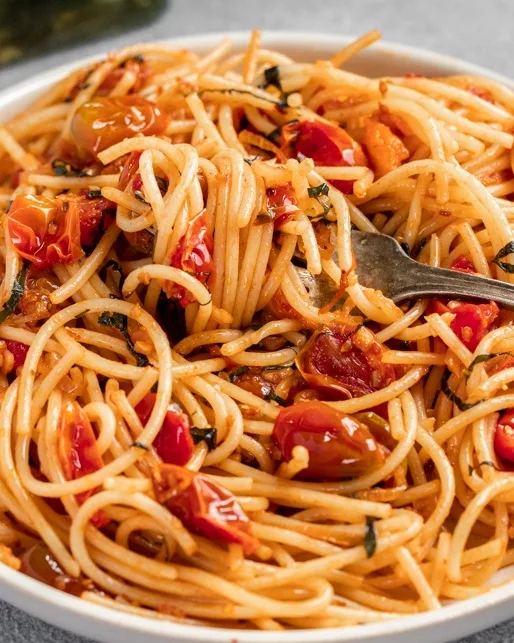
The sizzle of garlic hitting olive oil. The smell of chili toasting in the pan. The way a creamy, spicy tomato sauce clings to every twist of pasta — glossy, rich, and deeply flavorful. It’s the kind of dinner that makes you forget you were ever tired.
Here’s the thing about restaurant pasta: it costs $20-plus, takes time to arrive, and often underwhelms. Meanwhile, your pantry is sitting there with everything you need to make something better in 30 minutes.
This spicy tomato pasta is that recipe.
It’s inspired by Tuscan-style creamy tomato sauces and the spicy red pastas you see all over social media right now. But it’s simpler. One skillet, one pot, minimal cleanup. The technique — browning tomato paste, using starchy pasta water, balancing chili with cream — is what gives it that restaurant depth without the restaurant price.
Ready? Let’s make dinner feel special again.
Why You’ll Love This Recipe
- Ready in 30 minutes — Faster than delivery, and you probably already have everything in your pantry.
- Perfectly balanced heat — Warm and tingly, not punishing. The cream tames the chili so you get flavor, not just fire.
- One skillet + one pot — Minimal cleanup, maximum payoff.
- Tastes like a restaurant — The secret is browning your tomato paste and using pasta water to make the sauce cling like silk.
- Adaptable — Go dairy-free with coconut milk, add chicken or shrimp, or swap the pasta to whatever you have.
Now let’s get into it.

Ingredients
You probably already have most of these. The ones you don’t are worth picking up — they’ll last in your pantry for months.
For the Pasta
- 1 lb (400g) fusilli, penne, rigatoni, or spaghetti — any shape that holds sauce works
- 1 tablespoon (15g) kosher salt for the pasta water
For the Sauce
- 2 tablespoons (30ml) extra virgin olive oil
- 1 medium yellow onion, diced (about 1 cup / 150g)
- 4 cloves garlic, peeled and smashed or minced
- ½ to 1 teaspoon crushed red pepper flakes (adjust to your heat preference)
- 6 ounces (170g) tomato paste — the small can, concentrated stuff
- ⅔ cup (160ml) heavy cream OR full-fat coconut milk for dairy-free
- 1 cup (100g) Parmesan cheese, freshly grated (omit for dairy-free)
- 1 cup reserved pasta water — this is the secret sauce, do not skip
- Fresh basil leaves, torn, for garnish
- Salt and black pepper to taste
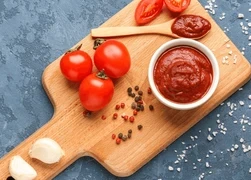
Ingredient Notes
Tomato paste is the flavor backbone here. Don’t use tomato sauce or crushed tomatoes — the paste caramelizes and deepens into something rich and savory. A high-quality paste like Mutti or Amore makes a real difference.
Crushed red pepper flakes let you control the heat. Start with ½ teaspoon, taste, and add more. Cayenne or fresh chili also work.
Pasta water is liquid gold. The starch emulsifies with the sauce, making it creamy and clingy instead of watery. This is the trick most home cooks skip and restaurants never do.
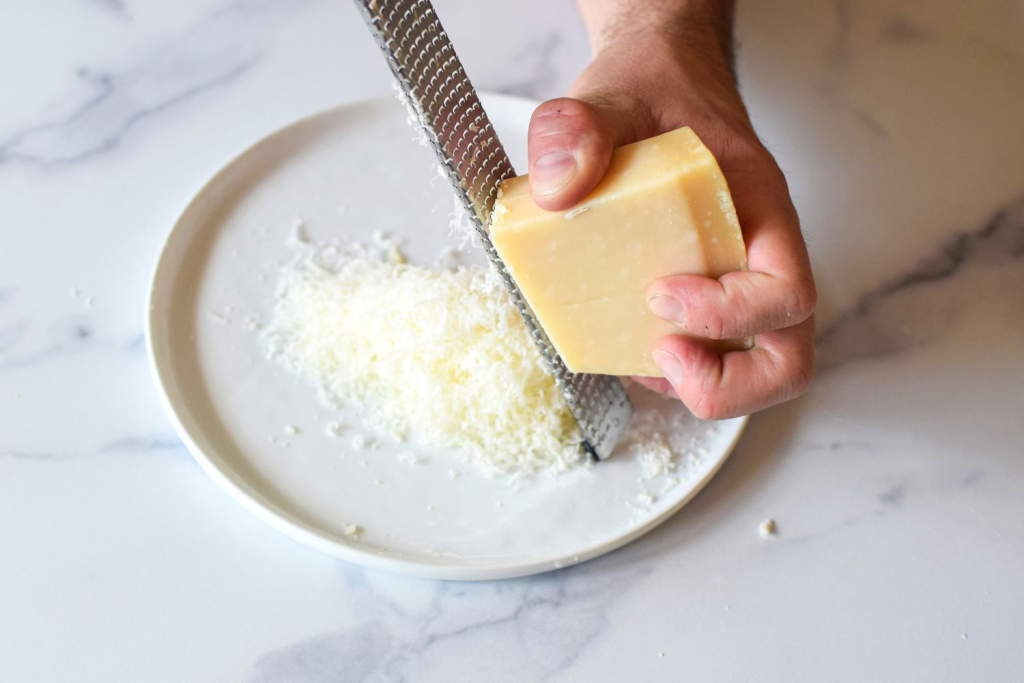
Fresh Parmesan melts better than pre-grated. Grate it yourself and you’ll taste the difference.
Substitutions and Swaps
| Dietary Need | Swap |
|---|---|
| Dairy-free | Use full-fat coconut milk instead of cream. Omit Parmesan or use vegan parm. Coconut milk adds subtle richness that works beautifully. |
| Gluten-free | Use your favorite gluten-free pasta. Cook to package directions and reserve the starchy water. |
| Lower-fat | Use half-and-half instead of heavy cream. The sauce will be less rich but still creamy. |
| Vegan | Coconut milk + vegan Parmesan or nutritional yeast. Skip the dairy entirely. |
| No onion/garlic | Use a pinch of asafoetida (hing) or simply omit — the tomato paste and chili carry plenty of flavor. |

Equipment
- Large stockpot or Dutch oven (for pasta water)
- Large deep skillet or Dutch oven (for the sauce — a 12-inch skillet works great)
- Box grater (for Parmesan)
- Measuring cups and spoons
- Slotted spoon or tongs (for transferring pasta directly to the sauce)
- Ladle (for scooping pasta water)
Okay, let’s make this.
Step-by-Step Instructions
1. Bring a large pot of salted water to a rolling boil.
Add 1 tablespoon of salt to the water. It should taste like the sea. This is your only chance to season the pasta from the inside out.

2. While the water heats, start the sauce.
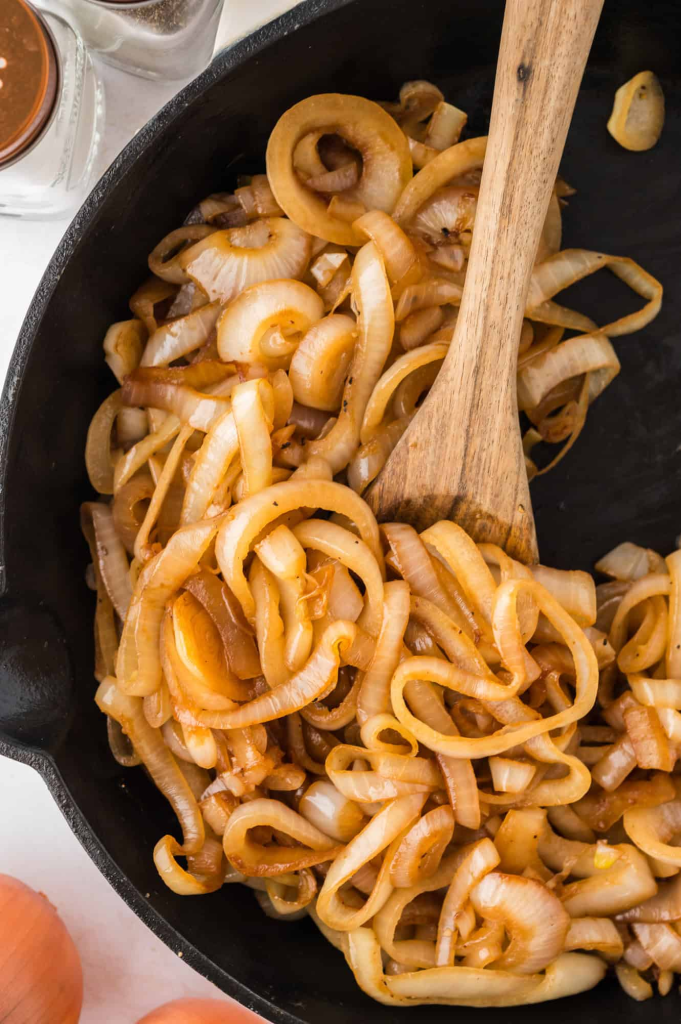
Heat olive oil in a large deep skillet over medium heat. Add diced onion and cook for about 5 minutes, stirring occasionally, until translucent and softening.
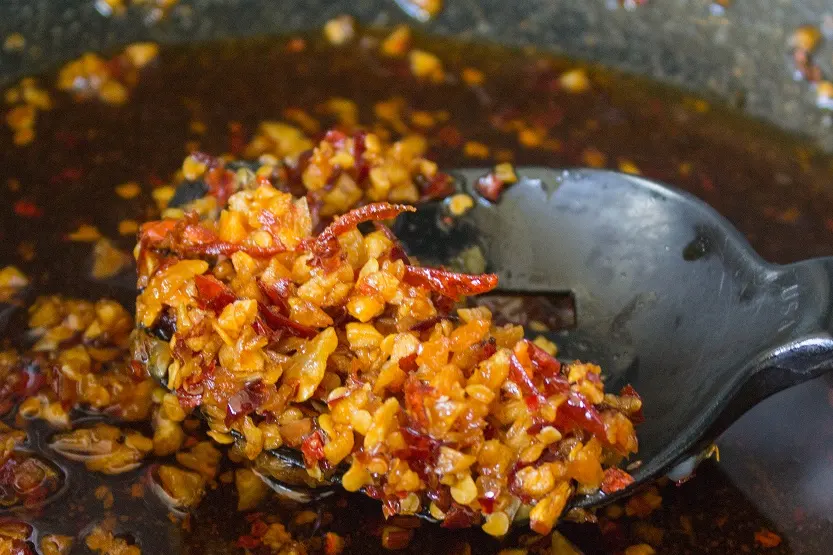
3. Add garlic and red pepper flakes.
Stir for about 1 minute until fragrant. The garlic should be golden, not brown. Burnt garlic is bitter.
4. Add the tomato paste.
This is the critical step. Cook the paste, stirring constantly, for about 5 minutes until it darkens to a brick-red or rusty color. This is where the deep, savory flavor develops. It should smell sweet and caramelized, not scorched.
5. Deglaze the pan.
Add a splash of water (about ¼ cup) and scrape up the browned bits from the bottom of the pan. Those bits are packed with flavor.
6. Add your cream (or coconut milk).
Pour in the ⅔ cup of heavy cream (or coconut milk), stirring continuously. The sauce will transform from gritty to glossy and smooth. Remove from heat and set aside, covered, while your pasta finishes cooking.

7. Cook the pasta.
Add your pasta to the boiling water and cook for 2 minutes less than the package directions specify for al dente. The pasta will finish cooking in the sauce.
8. Reserve the pasta water.
Just before draining, scoop out 1 cup of the starchy pasta water and set it aside. This is the magic ingredient that makes the sauce silky and clingy.
9. Return the sauce to low heat.
Using a slotted spoon or tongs, transfer the undrained pasta directly from the pot into the sauce. Don’t rinse the pasta — you want the starch.
10. Add the Parmesan and pasta water.
Add half of the grated Parmesan (about ½ cup) and ½ cup of the reserved pasta water to the skillet. Stir gently and continuously. The sauce will loosen and start to cling to the pasta.
11. Adjust the consistency.
Add more pasta water as needed, a splash at a time, until the sauce coats each piece of pasta but isn’t soupy. This is the emulsified sauce restaurant trick.
12. Finish and serve.
Stir in torn basil leaves. Taste and adjust salt, pepper, or chili flakes. Serve immediately with extra Parmesan and more basil.
Doneness Cues
- Onion: translucent, soft, smells sweet
- Garlic: pale golden, fragrant (not brown)
- Tomato paste: dark brick-red, caramelized aroma
- Sauce consistency: glossy, coats the back of a spoon, clings to pasta
- Pasta: tender but with a slight bite (al dente)
Expert Tips and Common Mistakes to Avoid
1. Don’t rush the tomato paste browning. This is the single biggest flavor builder. If it’s still bright red, it hasn’t caramelized. Be patient. Five minutes of stirring pays off.
2. Salt your pasta water generously. It should taste like seawater. This is non-negotiable. It seasons the pasta from the inside.
3. Never rinse your cooked pasta. Rinsing washes away the starch that helps the sauce cling. Transfer it straight from the pot with a slotted spoon.
4. Add pasta water gradually. You can always add more, but you can’t take it away. Go slow to find the perfect sauce consistency.
5. Adjust heat gradually. Start with ½ teaspoon red pepper flakes and add more if you want it spicier. You can’t cool it down once it’s in.
Now that you’ve mastered the base, try these variations.
Variations
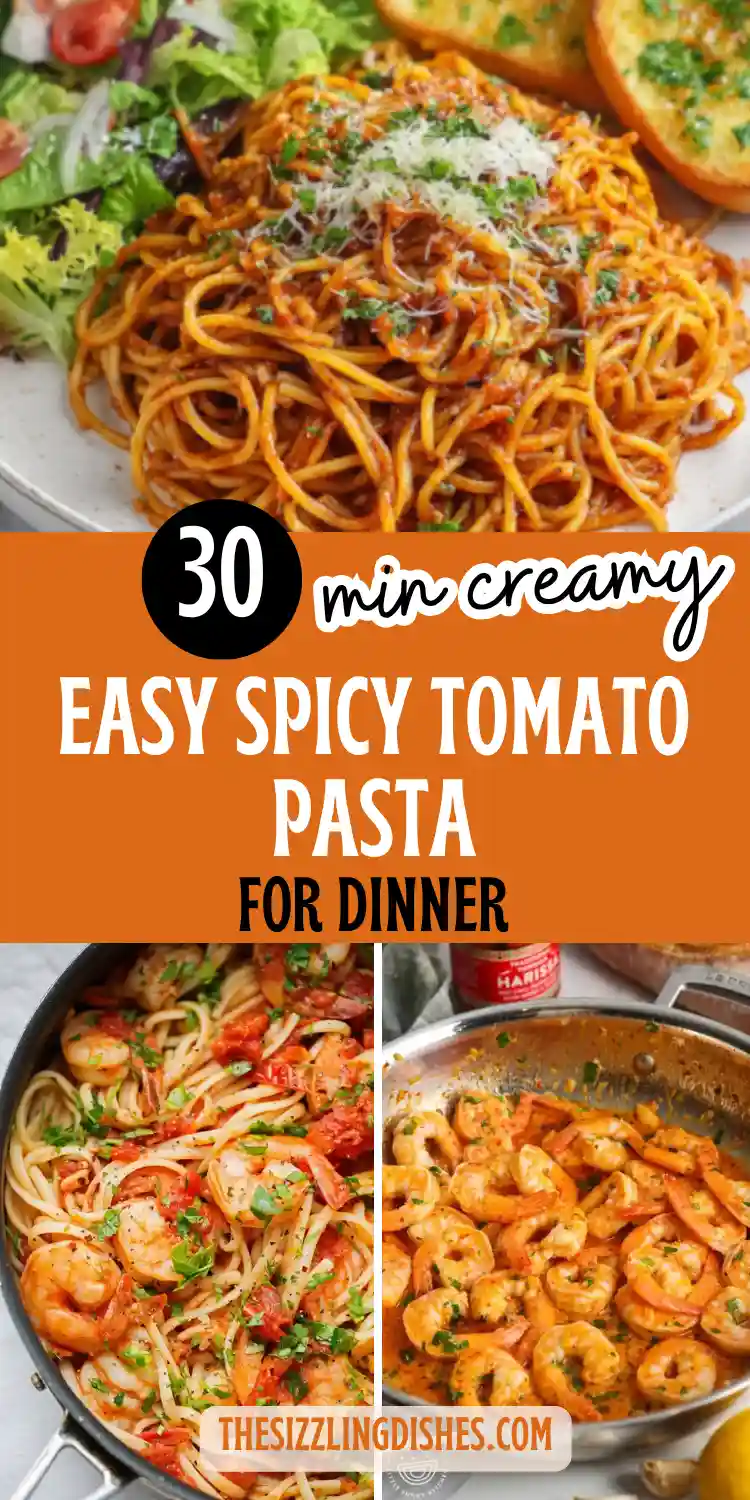
Protein additions: Add seared chicken, shrimp, Italian sausage, or crispy bacon. Sear the protein first, set it aside, and fold it in at the end.
Add veggies: Sauté mushrooms, zucchini, bell pepper, or spinach with the onion. Fold in chopped sun-dried tomatoes or cherry tomatoes for extra sweetness.
Spice level: Amp up the heat with fresh cayenne, extra chili flakes, or a chopped fresh chili. For milder heat, use smoked paprika instead of red pepper flakes.
Regional twist: Add a splash of balsamic vinegar for a sweet-sour note, popular in some Tuscan versions. Use chili-infused olive oil for extra depth.
Here’s how to store it if you have leftovers.
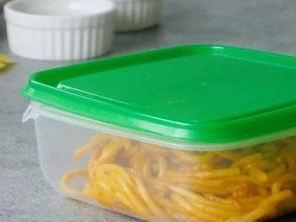
Storage, Reheating, Make-Ahead, and Freezing
Storage: Store leftovers in an airtight container in the fridge for up to 4 days.
Reheating: Reheat gently on the stovetop with a splash of water or milk to loosen the sauce. The microwave works too, but stovetop preserves the texture better.
Make-ahead: The sauce can be made up to 3 days ahead and stored separately. Cook the pasta fresh.
Freezing: The sauce freezes well for up to 3 months. The pasta is best fresh but can be frozen in portions. Thaw overnight and reheat.
Serving Suggestions
This pasta is a meal on its own, but these pairings take it further.
- Garlic bread — Essential for wiping up every drop of sauce.
- Simple green salad with lemon vinaigrette to cut the richness.
- Roasted vegetables — broccoli, asparagus, or zucchini on the side.
- A glass of bold red — Chianti or Sangiovese stands up to the spice.

Frequently Asked Questions
Can I make this spicy tomato pasta without cream?
Absolutely. Use full-fat coconut milk for a dairy-free version, or simply make a tomato-based sauce (no cream) and rely on the starchy pasta water for silkiness.
How do I make the sauce less spicy?
Start with half the chili flakes (¼ teaspoon) and taste as you go. The cream also helps tame the heat, so if you keep the cream but reduce the chili, the sauce will be mild and comforting.
Is this recipe gluten-free?
Yes. Just use your favorite gluten-free pasta. The sauce is naturally gluten-free.
What’s the best pasta shape for this?
Fusilli, penne, and rigatoni are great because the ridges and spirals catch the sauce. But it works with spaghetti or fettuccine too.
Can I add protein to this dish?
Yes — seared chicken, shrimp, Italian sausage, or crispy pancetta all work beautifully. Cook the protein first, set it aside, and fold it in at the end.
How long does this pasta keep in the fridge?
3 to 4 days in an airtight container. Reheat gently with a splash of water or milk to bring the sauce back to life.
Easy Spicy Tomato Pasta (30-Minute Creamy Recipe)
Creamy, spicy, and ready in 30 minutes — this restaurant-style tomato pasta uses tomato paste, chili flakes, and a splash of cream for a silky, bold sauce that clings to every noodle.
- Prep Time: 10 minutes
- Cook Time: 20 minutes
- Total Time: 30 minutes
- Servings: 4
Ingredients
- 1 lb (400g) fusilli, penne, or spaghetti
- 1 tablespoon kosher salt (for pasta water)
- 2 tablespoons extra virgin olive oil
- 1 medium yellow onion, diced
- 4 cloves garlic, smashed or minced
- ½ to 1 teaspoon crushed red pepper flakes
- 6 ounces (170g) tomato paste (small can)
- ⅔ cup (160ml) heavy cream or full-fat coconut milk
- 1 cup (100g) Parmesan cheese, freshly grated (omit for dairy-free)
- Fresh basil leaves, for garnish
- Salt and black pepper to taste
Instructions
- Bring a large pot of salted water to a rolling boil.
- In a large skillet over medium heat, warm olive oil. Add onion and cook 5 minutes until soft.
- Add garlic and red pepper flakes, cook 1 minute until fragrant.
- Add tomato paste, cook stirring 5 minutes until darkened to brick-red.
- Deglaze with ¼ cup water, scraping up browned bits.
- Stir in cream or coconut milk until smooth. Remove from heat and cover.
- Cook pasta 2 minutes less than package directions.
- Reserve 1 cup pasta water before draining.
- Return sauce to low heat. Transfer pasta to skillet with a slotted spoon.
- Add half the Parmesan and ½ cup pasta water. Stir until sauce clings.
- Add more pasta water as needed to reach desired consistency.
- Stir in basil, season, and serve with extra Parmesan.
Nutrition (estimated per serving)
- Calories: 706
- Carbohydrates: 98g
- Protein: 27g
- Fat: 23g
- Saturated Fat: 13g
- Sodium: 757mg
- Sugar: 10g
- Fiber: 6g
This spicy tomato pasta is the kind of recipe you’ll come back to again and again. It’s quick enough for a Tuesday night but impressive enough for guests. The secret is in the technique — browning the tomato paste, using that liquid-gold pasta water, and letting the cream do its magic. It’s forgiving, adaptable, and the leftovers are just as good.
If you make this, let me know how it turned out in the comments. And don’t forget to pin it for later. Try it with shrimp next time for a completely different vibe.